In brief
California’s Proposition 40 would impose a 5% one‑time levy on the net worth of all state resident billionaires, aiming to raise $100bn to replace federal cash cuts to the public health system. The measure divides lawmakers and neighbors alike, with some billionaires leaving the state while others pledge support. Critics warn of capital flight, reduced investment and administrative costs, while proponents argue it will slow the wealth gap and fund essential services. The outcome hinges on a close November ballot, with 45% likely voters in favour, 42% opposed and 13% undecided.
California’s ultra‑wealthy are voting on a historic measure that could reshape the state’s tax landscape. Proposition 40 would levy a one‑time 5% tax on the net worth of every California resident with at least $1 billion.
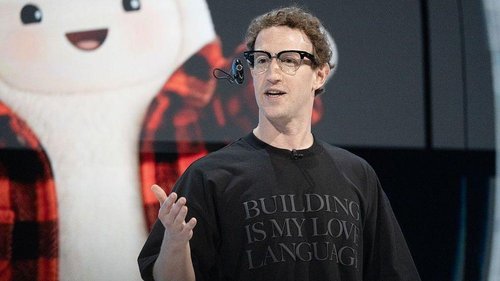
The proposal aims to raise roughly $100 bn (about £75 bn) to cover federal funding cuts to California’s health‑care system. It would target around 200 residents, including corporate leaders such as Mark Zuckerberg, Amazon co‑founder Jeff Bezos, and Nvidia CEO Jensen Huang. Four hundred‑plus vocal supporters say the tax would force the richest to give back, widening an already stark wealth gap.
“I believe this is the first billionaire tax – a wealth tax aimed at a very extreme percentile of the distribution,” said UC‑Berkeley public policy professor Francesco Trebbi. “It’s about re‑balancing the scale a little bit.”
Yet the measure has stirred fierce opposition. Governor Gavin Newsom has warned the tax could push money‑rich residents out of California, cutting a crucial source of income tax revenue. Tech billionaire Sergey Brin has reportedly donated $100 million to a non‑profit working to defeat the measure.
Critics argue wealth taxes often backfire, suppressing investment, draining capital, and producing less revenue than projected. Studies from Norway and Switzerland show that small increases in wealth tax can lead to large drops in taxable wealth, prompting permanent outflows. Still, advocates point to uniformity and equity – saying the richest must pay fairly for the state’s services.
Politically, the measure is a polarised issue. Bernie Sanders campaigned vigorously in support. “Billionaires believe, like the monarchs of the 19th century, they have a God‑given right to rule,” he told a rally in Los Angeles. “They have all the wealth, they have all the power – we must make them feel the reality of their privilege.”
The ballot will decide on November 3. Current polling shows a close race: 45% in favour, 42% opposed, 13% undecided. Six of the estimated 200 billionaires have already relocated out of the state, citing the impending tax as a key motivator. Residences are being moved from California to legal havens such as Nevada and Washington, where the proposed tax would be welcome.
If passed, the 5% levy would be applied retroactively to those who resided in California on 1 January 2026, creating a complex web of compliance and enforcement. The measure will have far‑reaching economic and social consequences for the Pacific Coast and the nation’s wealth hierarchy.