In brief
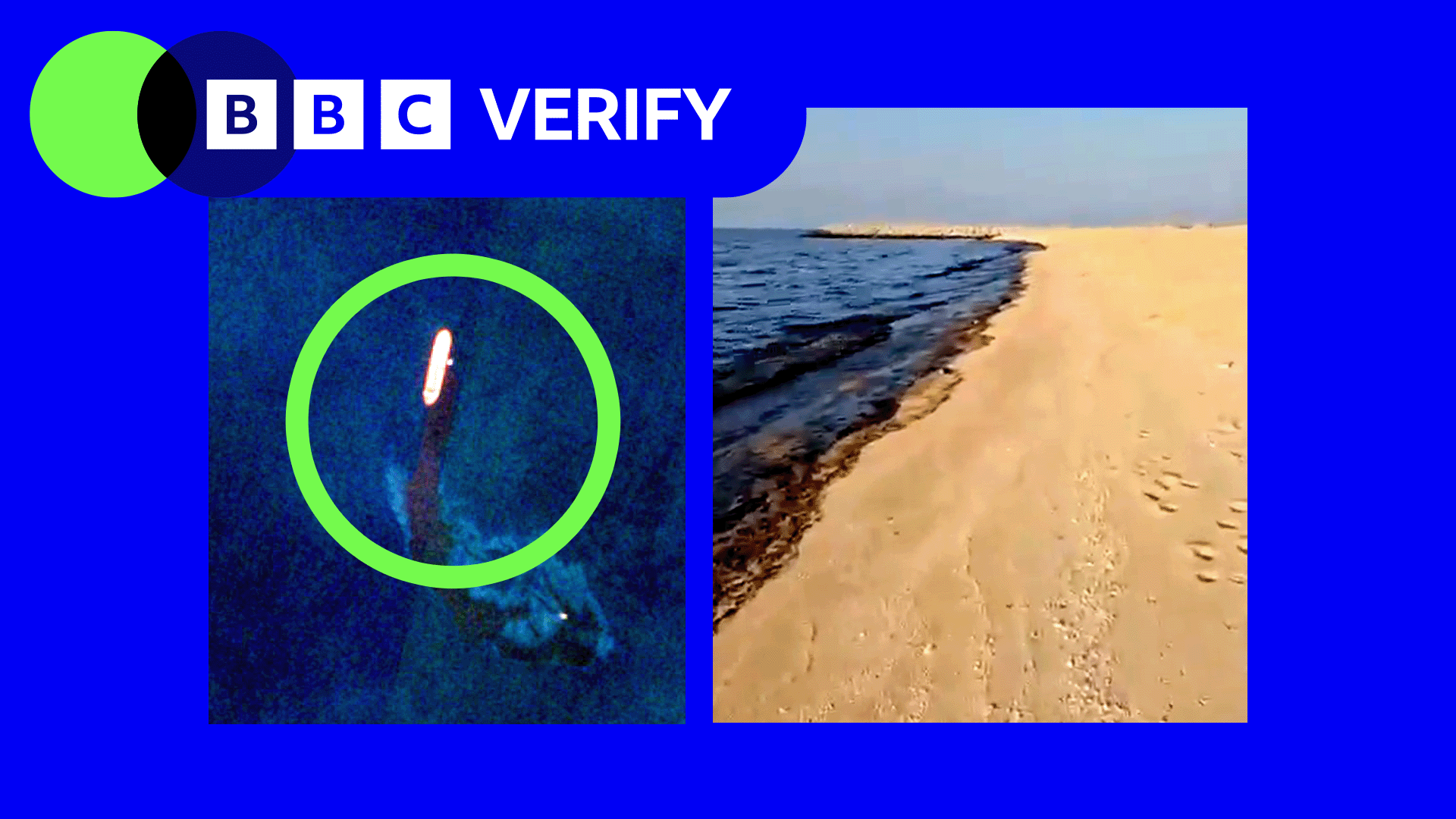
Oil spilled after a tanker hit near the Strait of Hormuz is now slicking more than 35 kilometres of UAE coastline, flooding beaches near Umm Al Quwain. Satellite imaging confirms the leak began from a ship that matches the Panama‑flagged Gem No.2, which bore a projectile strike in early October. UAE authorities have closed several coastal areas and started containment operations to limit damage. Experts warn that while the leak is still spreading, its impact on marine life and sensitive biodiversity hotspots remains uncertain.
Oil spilled from a tanker hit near the Strait of Hormuz is now slicking more than 35 kilometres of UAE coastline, flooding beaches near Umm Al Quwain.
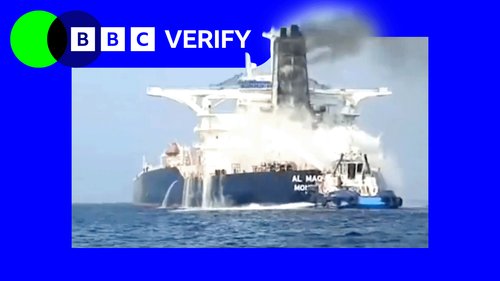
Satellite imaging confirms the leak began from a ship that matches the Panama‑flagged Gem No.2, which bore a projectile strike in early October. The vessel suffered a fire that was extinguished before it could be abandoned.
UAE authorities responded by closing several coastal areas and launching containment operations to limit damage to marine life and beachfront communities.
Experts warn that while the spill is still spreading, its impact on marine life and sensitive biodiversity hotspots remains uncertain. Immediate effects include trapping turtles, smothering seabirds and damaging fish gills, while long‑term harm may arise from toxic residues that impair reproduction.
The slick now reaches islands recognised as key biodiversity areas, such as Siniyah and Khor Al Beidah, home to corals, seagrasses and endangered species. This proximity raises major environmental concerns for the region.
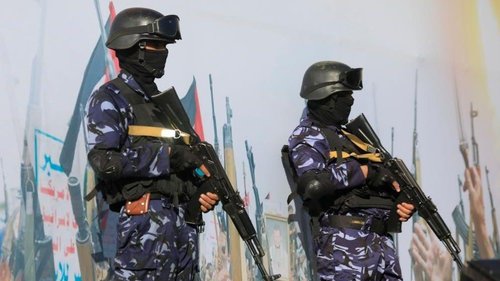
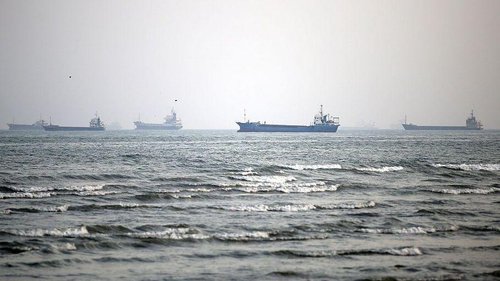
The incident follows a record number of ship attacks in and around the Strait of Hormuz at the start of October, illustrating heightened geopolitical tensions between Iran and Western forces over the region’s vital shipping lane.