In brief
In the Rio Grande Valley, Father Roy Snipes reminds residents that the Trump border wall once promised to curb illegal crossings still feels too harsh on families. New data shows that Texas accounts for a third of all ICE arrests nationwide, a fact that fuels discontent among Hispanic voters. Surveys from late summer point to a decline in Trump support among this group, with many leaning toward Democrats. The shift could influence crucial midterm races, including the 15th district that voters see as a high‑stakes test of redistricting gains. Political analysts warn that the tide may threaten Republican control if the current trend continues.
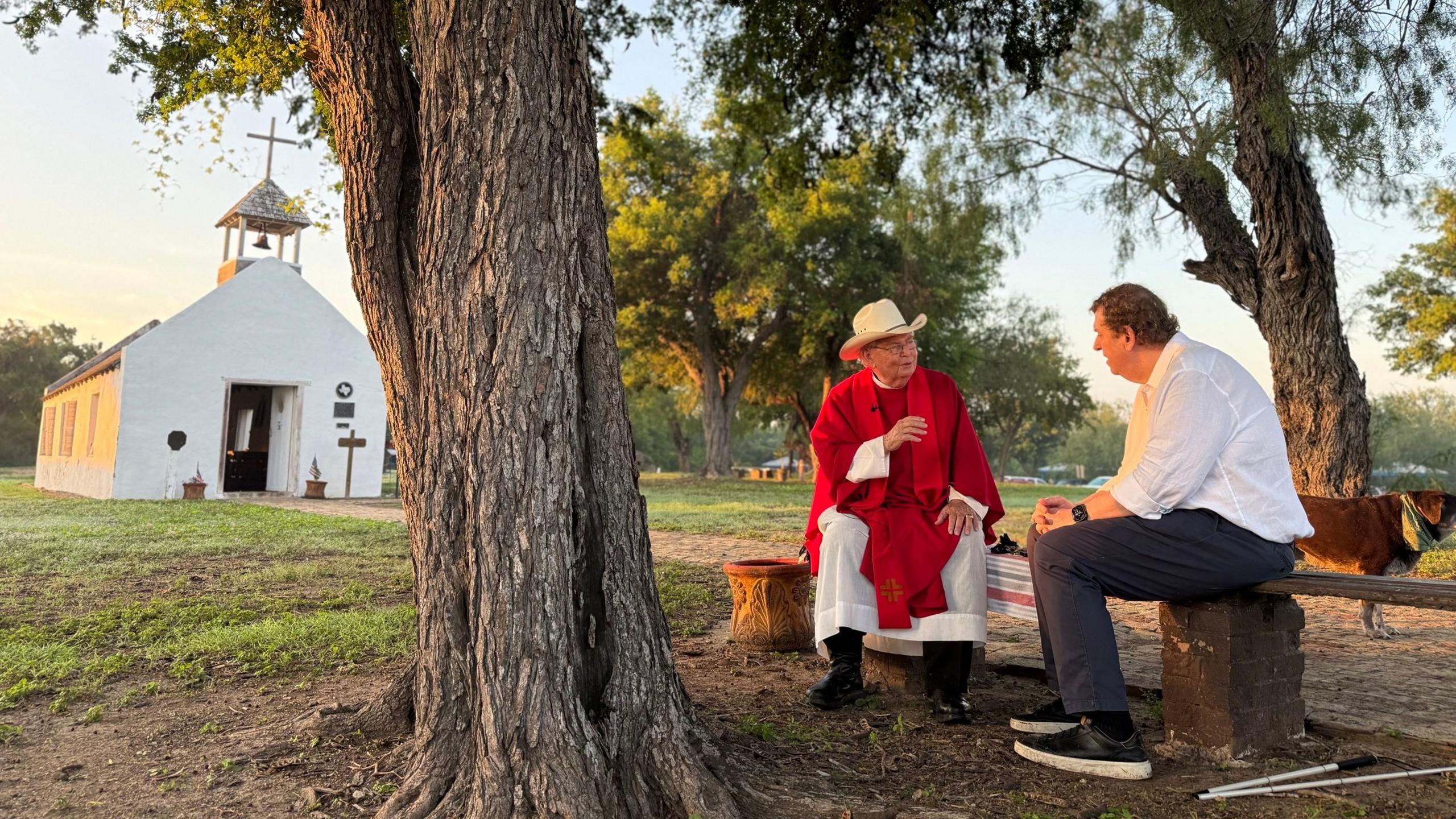
Before dawn in the Rio Grande Valley, a white chapel on the riverbank buzzes with life as Father Roy Snipes arrives with his dog and a hat that is a Stetson, not a cleric’s skullcap. The little church, copying a Civil War era style, sits only a short walk from the border, a place that once saw frantic crossings and now faces a different scrutiny.
During the Friday service, the priest’s sermon turned to Immigration and Customs Enforcement. He said, ‘There is no good excuse to detain, incarcerate and deport good people who are our neighbours,’ reflecting a broader frustration that immigration raids strain families and businesses in the valley. The speech was quoted by local educators worried about students whose parents are repeatedly targeted.
Texas’s ICE toll
Government data shows Texas recorded roughly one‑third of all ICE arrests in July 2026, higher than any other state. The numbers mirror a long‑standing narrative that a wall and hard border policy were key to Trump’s Texas win—55% of Hispanic voters in 2024 praised him for curb statistics.
But polls since late summer signal a reversal. Many Hispanic voters now disapprove of Trump, citing harsh deportations and civilian harm. A recent voter, Mario Guerrero, a Mexican‑American businessman, admitted he had voted for Trump three times but plans to vote Democrat in November because the crackdown outstripped the promised border security.
Implications for the 2026 midterms
The 15th congressional district has become a test case. Redrawn in 2025 to give Republicans an 18‑point advantage, current polls now show a Democratic lead of five to six points. Bobby Pulido, a celebrated Tejano singer, fronts the Democratic ticket, focusing on the economy rather than national politics to capture a shift in voter priorities.
Republican messaging relies on turnout, with volunteers noting that the midterms hinge on getting people to the polls. Yet an 8‑point swing back to Democrats could reshape not only congressional representation but also threaten a Senate seat, which has been held by Republicans for over three decades.
With the border still a high‑profile issue, the valley’s experience illustrates how policy on one issue can rapidly shift a demographic’s political alignment. The coming Election will test whether Hispanic voters in Texas remain a bellwether for the country’s shifting landscape.