In brief
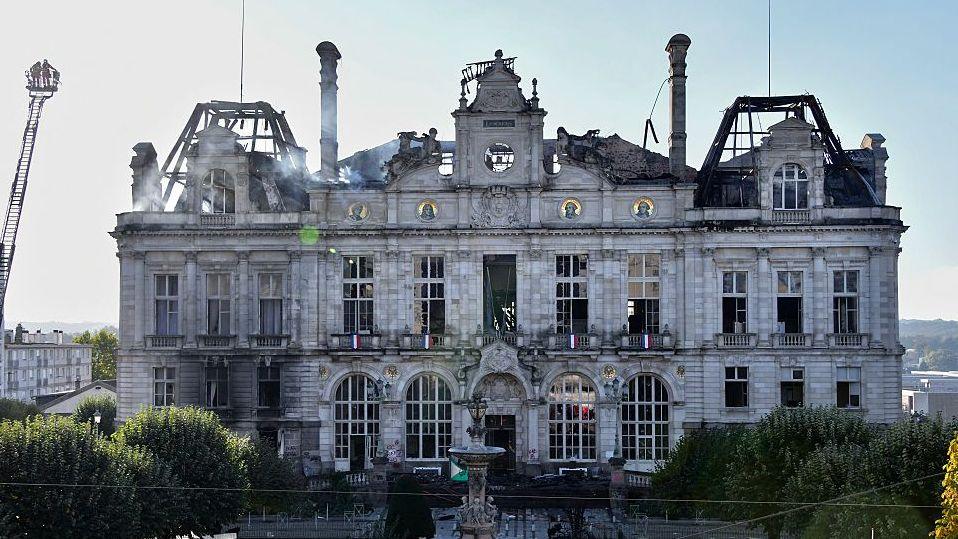
A week after nationwide protests erupted over rising living costs, the historic Limoges city hall caught fire, leaving its wooden clock tower collapsed and the façade scarred. Mayor Guillaume Guérin, only halfway through his term, condemned the violence and attributed it to radical left networks, while residents grapple with the loss of a civic landmark. The incident has intensified debate about how far protests should go and how France handles its growing social division ahead of the June presidential election.
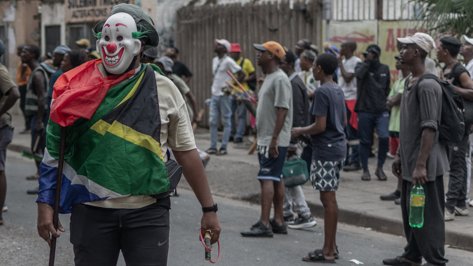
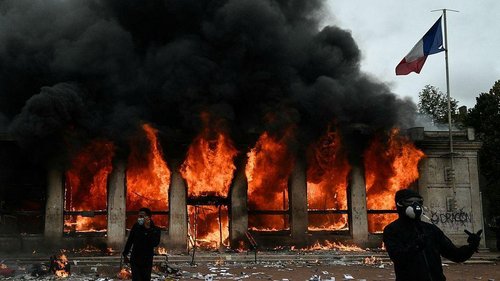
The wooden‑capped clock tower of the 19th‑century Limoges town hall fell into flames last weekend, leaving the historic building half‑destroyed. The blaze erupted amid a wave of demonstrations that began over the high cost of living and quickly broadened to cover wider economic frustration.
Mayor Guillaume Guérin, elected less than six months ago, has said the damage was carried out by people supported by the hard left, citing two arrests connected to radical‑left networks. Locals have angrily demanded higher police presence and stricter curfew rules amid the ongoing unrest.
Residents have turned the ruins into a focal point of mourning. Flower wreaths and solemn crowds line the entrance, reflecting the town’s grief for the cultural symbol that once hosted graduations and weddings.
Meanwhile the protests have drawn a mixed response. Students like Jade, a medical trainee earning €300 a month, see the destruction as a let‑down but not the end of the day’s anger, while older citizens such as Jean Roger Faucher, who was married in the hall, cannot accept vandalism that risks lives.
As France heads to the presidential election in six months, the city’s fiery devastation raises the stakes for political leaders. While the government attempts to curb further riots with elevated police numbers, the event has highlighted how quickly civic spaces can become battlegrounds as societal inequality escalates.