In brief
Since Russia's 2022 invasion of Ukraine, Western ambassadors stationed in Moscow find themselves under constant watch, isolated from the local community, and forced to navigate a hostile environment. Former U.S. Ambassador Lynne Tracy described the job as "the hardest assignment" of her 30‑year career, citing relentless surveillance, a lack of security staff and financial constraints. Diplomats say Moscow's counter‑intelligence tactics far exceed those used during the Cold War, with listening devices, cameras and intimidation of staff now commonplace. The isolation has led some officials to resign, and the strain on diplomatic service hampers any chance of meaningful dialogue.
Since Russia’s full‑scale invasion of Ukraine in 2022, Western embassies in Moscow have been reduced to guarded listening posts, with ambassadors reporting constant surveillance, isolation and loss of control over their own stations.
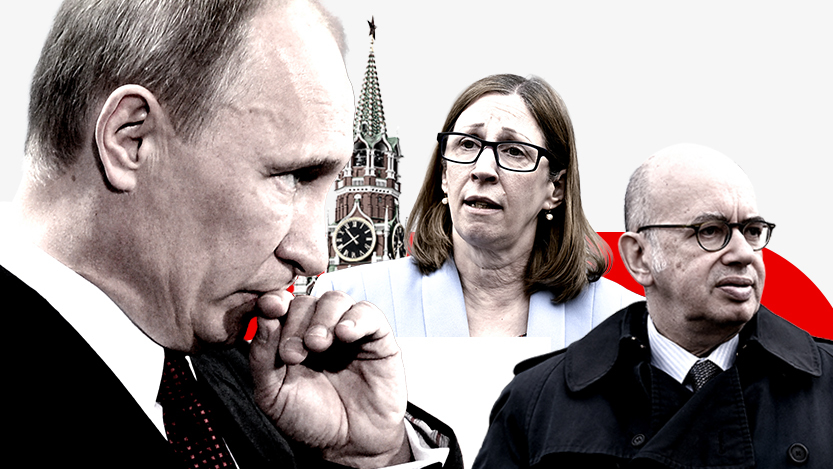
“Being the ambassador to Russia was probably the hardest assignment of my career,” said former U.S. Ambassador Lynne Tracy, who served from 2023 to 2025. Tracy explained how the Russian counter‑intelligence team uses hidden cameras, listening devices and frequent visits from agents to keep track of every move.
Former French Ambassador Pierre Lévy remembers the initial shock after Moscow declared many Western diplomats "persona non grata" when he called Paris to warn about the growing dangers. “Pulling our people out would have been a mistake,” he told the BBC, stressing that a two‑way line was still essential for understanding the Kremlin’s intentions.

Beyond the physical threat, diplomats speak of a psychological siege. “Constant paranoia” drives officials to resign, and even after returning home, many keep looking over their shoulder. Staff shortages are compounded by sanctions, leaving embassies unable to pay salaries or repair leaking pipes.
Financial sanctions have stripped the U.S. embassy of basic services. Once able to tap into international banking networks, Russian banks were cut off from Swift, forcing diplomats to rely on Russians bringing rubles in suitcases to cover everyday expenses, an act that seemed almost absurd but necessary for keeping the mission operational.
Despite the pressure, ambassadors feel their presence keeps channels open. Ambassador Lynne Tracy says that keeping a human connection between America and ordinary Russians can accelerate future diplomatic thaw, even if the current environment feels like a constant surveillance state.