In brief
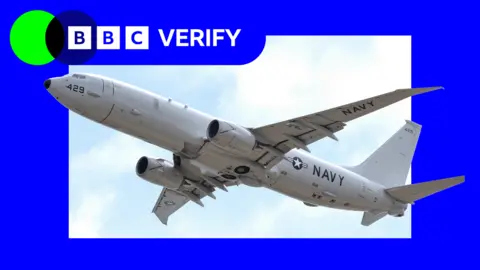
The US military has made its surveillance flights near Cuba public, deploying multiple P-8A Poseidon aircraft and MQ-4C Triton drones in recent weeks. Experts suggest this increased activity aims to enforce an oil blockade against Cuba and deter external support, particularly from Venezuela. The situation has deteriorated with accusations from both sides amidst a growing humanitarian crisis in Cuba.
The US military has been publicly broadcasting the location of military surveillance flights near Cuba on plane-tracking websites, as Washington continues to exert pressure on the island's communist leadership. Leaving flight transponders on 'is likely deliberate', said UK drone expert Dr. Steve Wright, with the US intending to send 'a clear message it has eyes in the sky to maintain the squeeze'.BBC Verify analysis of data from flight-tracking website Flightradar24 indicates that at least five US Navy P-8A Poseidon surveillance aircraft and three MQ-4C Triton surveillance drones have been operating in the Caribbean near Cuba since May 11, with aircraft flying as close as 50 miles from the island. However, flight-tracking data does not provide a complete picture of US military activity as aircraft do not always broadcast their positions but may share their locations for portions of their flights.The deployment of these aircraft comes amid significantly heightened US-Cuba tensions, exacerbated by recent oil blockades imposed by Washington. Reports indicate that Havana has acquired drones capable of striking the US mainland, leading Cuba's foreign minister to claim the country 'neither threatens nor desires war' and accused Washington of creating a 'fraudulent case' for military action. The US Secretary of State Marco Rubio has proposed a 'new relationship’ with the Cuban populace, attributing their hardships to the communist regime rather than the US blockade.Experts suggest that the nature of these surveillance flights reflects an intention to spot deliveries from the region, particularly as the US aims to deter Venezuela from circumventing the oil blockade and assisting Cuba. The ongoing fuel crisis has led to severe blackouts and protests across Cuba, as the regime faces mounting international pressure.}