In brief
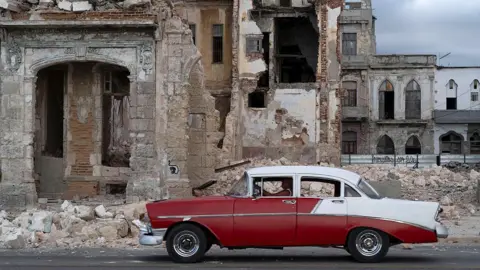
Cuban foreign tourism fell to under 360,000 in the first five months of 2026, a 58.4% decline from last year as US sanctions focus increasingly on the industry. Air Canada and Spanish hotel chains have ceased operations following a U.S. deadline to halt business with state‑owned Gaesa. The sanctions, coupled with a fuel blockade, have deepened shortages of medicine, food and even religious supplies, triggering widespread blackouts and the first public protests in years. The island’s economy, heavily reliant on tourism revenue, faces unprecedented challenges as these measures take hold.
Cuba’s tourism industry suffers a drastic decline amid tighter U.S. sanctions
For the first five months of 2026, fewer than 360 000 foreign visitors made the trip to the island, a 58.4 % fall from the same period last year, according to the state statistical office (Onei).
The decline follows a new U.S. pressure campaign that specifically targets the tourism sector – a vital source of revenue for Cuba’s communist government.
Airlines such as Air Canada, and popular Spanish hotel chains Meliá and Iberostar, have quietly ceased operations in Cuba after a 5 June deadline imposed by U.S. sanctions that forbids companies from doing business with the state‑owned conglomerate Gaesa.
Sanctions also cut off supplies of fuel, medicines and food, which has worsened shortages of basic goods, with reports of dwindling communion wafers and stalled garbage collection. Power cuts are more frequent, prompting the island’s first open‑air protests in years.
As the U.S. ramps up its pressure, the tourism momentum—once a cornerstone of Cuba’s economy—continues to collapse, leaving the country facing longer‑term economic and social challenges.