In brief
Former President Donald Trump advised Taiwan to refrain from pursuing independence following discussions with Chinese President Xi Jinping. Trump's remarks have provoked significant reactions from Taiwan, where leaders assert that there is no current necessity for a formal declaration of independence. The geopolitical tension between the US, China, and Taiwan continues to evolve, with considerations of military and diplomatic implications on all sides.
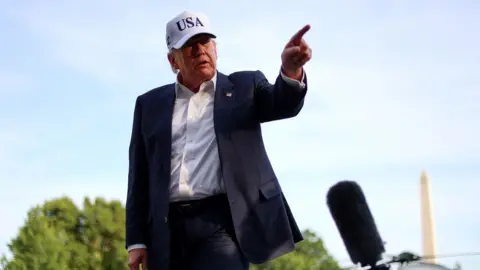
Hours after meeting Chinese President Xi Jinping in Beijing last week, Donald Trump issued a stern warning to Taiwan against pursuing independence. I'm not looking to have somebody go independent. And, you know, we're supposed to travel 9,500 miles to fight a war. I'm not looking for that. I want them to cool down. I want China to cool down, he told Fox News in an interview that aired on Friday.Trump's comments - some of the strongest a US president has made on the issue - immediately sparked responses from Taiwanese leaders asserting that there is no need to formally declare independence. Taiwanese independence is a critical issue for Beijing, which lays claim to the island and has accused President Lai Ching-te of separatism.The relationship between Taiwan and China is deeply nuanced. China's desire to 'reunify' with Taiwan traces back to the Chinese Civil War of 1949, when the Kuomintang forces retreated to the island. The Chinese Communist Party regards Taiwan as a breakaway region and has intensified military and psychological pressure against any movements towards formal independence.During Trump's summit with Xi, the issue of Taiwan was highlighted as a pivotal area in US-China relations, with fears that tension could escalate to conflict. The US, Taiwan's closest ally, is committed to providing Taiwan with defensive capabilities, a policy established by the Taiwan Relations Act of 1979, despite not explicitly supporting independence for Taiwan.Most Taiwanese citizens maintain a strong sense of political distinction from China and prefer to keep the status quo without formally declaring independence or full unification with China. This approach aligns with the Taiwanese government's current stance under President Lai, who emphasizes Taiwan's existing sovereignty without formally claiming independence.While the US has navigated the sensitive issue of Taiwan with deliberate ambiguity, Trump's recent comments have raised concerns that he could shift the US's long-held stance on Taiwanese independence, leaving many observers anxious about the potential for escalated tensions in the area.