Japan has publicly pledged to strengthen its defence capabilities following remarks by Defence Minister Shinjiro Koizumi to the BBC. He argued that the country must reevaluate the pacifist stance adopted after World War II and enhance military readiness to prevent the outbreak of new conflicts in East Asia.
Koizumi stressed that expanding defence spending, totalising 2 % of GDP, and forging deeper collaboration with the United States and other like‑minded Indo‑Pacific partners will create a multi‑layered deterrence framework. He said that Japan’s evolving policy includes the first time in nearly fifty years that the nation can sell or transfer lethal weapons to 17 partner countries, such as Australia, the UK, Indonesia, and New Zealand.
The minister noted that China’s growing military presence in the Senkaku/Diaoyu chain and the continued missile tests by North Korea represent the greatest strategic threat to Japan. He called for maintaining open channels of communication with China while challenging Beijing on its expansive claims over Taiwan and surrounding waters.
Koizumi described the Self‑Defence Forces (SDF) as a militarised entity that should operate with “pride and honour”. He urged that the SDF’s role be clearly defined, arguing that a formal recognition or expansion would help Japan maintain a stable security posture without undermining pacifism.
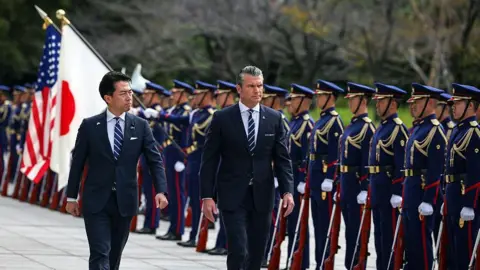
The Defense Minister also linked Japan’s new security strategy to the long‑standing US‑Japan alliance, citing the presence of around 50,000 U.S. troops in Japan as a cornerstone of regional stability. He referenced talks with U.S. Defence Secretary Pete Hegseth that highlighted the need for burden‑sharing and increased Japanese self‑reliance in defence spending.
Meanwhile, Japan’s administration plans to invest in new surface‑to‑ship missiles, unmanned drones, and potential defence industry growth. Analysts argue that a more robust industrial base could see Japanese shipbuilding and electronics become competitive players in the global defence market, while others stress the need for significant strategic reforms to keep pace with China’s military capabilities.
Despite the push for legislative amendments, Koizumi underlined that any revision to Article 9 would ultimately require a national referendum. He said that the timing and public decision would involve major political judgment, but that Japan must be prepared to meet new security challenges with both diplomatic and military vigor.