In brief
Trump entered the 2024 campaign with a clear pledge to curb rising prices, but the latest inflation data shows costs are still climbing. While GDP growth and the stock market hit record highs, wages have lagged, widening the gap between headline figures and household budgets. Critics argue that much of the inflation now stems from Trump’s own policies—tariffs and the US‑Israel conflict with Iran—making his track record harder to defend. Voters, who judge the economy by daily grocery bills and fuel costs, remain skeptical, echoing the sentiment that economic sentiment can outweigh hard‑data.
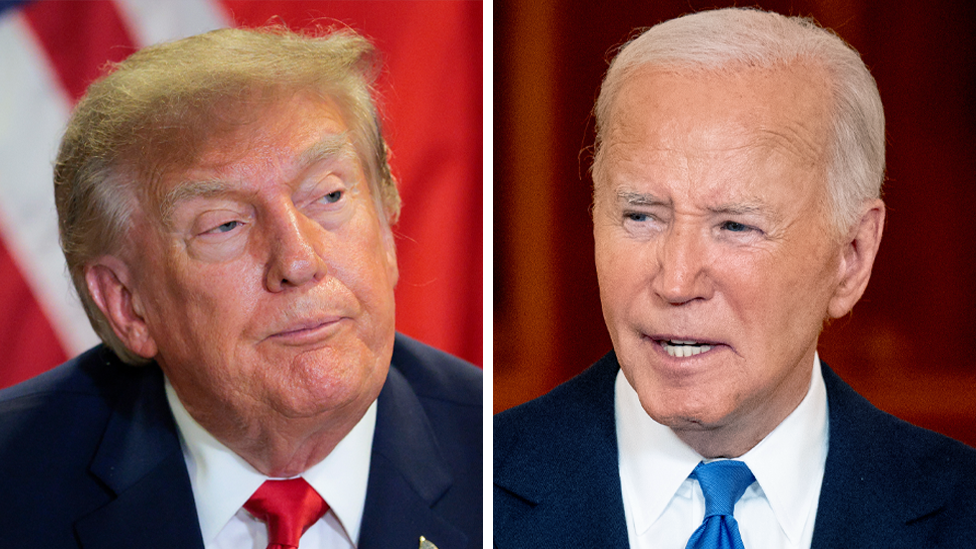
The White House is grappling with the same disconnect that haunted Joe Biden in 2024: solid economic data, yet a public that still feels the pinch of high prices.
Trump promised voters that if elected, he would immediately curb rising prices. The expectation that a fast “price reset” would suddenly cool a household’s budget proved optimistic, as the latest inflation report shows consumer prices climbing ahead of the midterm elections.
While the U.S. economy has recorded 2.2% growth, a 4.2% unemployment rate and a stock market approach to record highs, a closer look at wage trends tells a different story. Average hourly earnings rose only 3% last year while prices rose 3.7%, a gap that keeps many voters uneasy.
The inflation seen today differs from the pandemic‑shock inflation of early Biden years. Much of it is now tied to rising energy costs linked to the U.S.–Israel conflict with Iran and to several of Trump’s own policy moves, including tariffs that a New York Fed study estimated added about 2.9% to consumer goods prices.
Trump’s own allies have framed the current expansion as a “great story never told,” and the administration points to tax cuts, job growth and lower prescription drug costs as evidence of delivering for families. Yet, when voters gauge the economy by the price of a carton of milk or a gallon of gas, the political narrative must contend with the tangible weight of spending pain.
The crucial issue heading into the 2026 midterms is whether Trump’s promise to cut prices can overcome the public’s lived experience of inflation. If voter sentiment—more than headline GDP figures—remains skeptical, the bond that once helped him avoid a decisive election loss may not be strong enough to survive the next campaign cycle.