In brief
Colin Kaepernick, who sparked a national conversation by kneeling during the national anthem in 2016, takes a reflective look at the decade since that moment. He confirms that the protest cost him a career in professional football, yet he remains proud of the movement’s impact worldwide. Kaepernick shares his experiences of backlash from political leaders and the NFL, his legal battle for representation, and his continued commitment to civil‑rights work. He praises the recent rise of athlete activism across sports, from football in England to global campaigns for Black Lives Matter, and stresses that politics and sport are inseparable. The former quarterback closes by urging society to keep advancing toward equality and equity for everyone.
I knew the protest could potentially cost me my career...I would absolutely do it again.
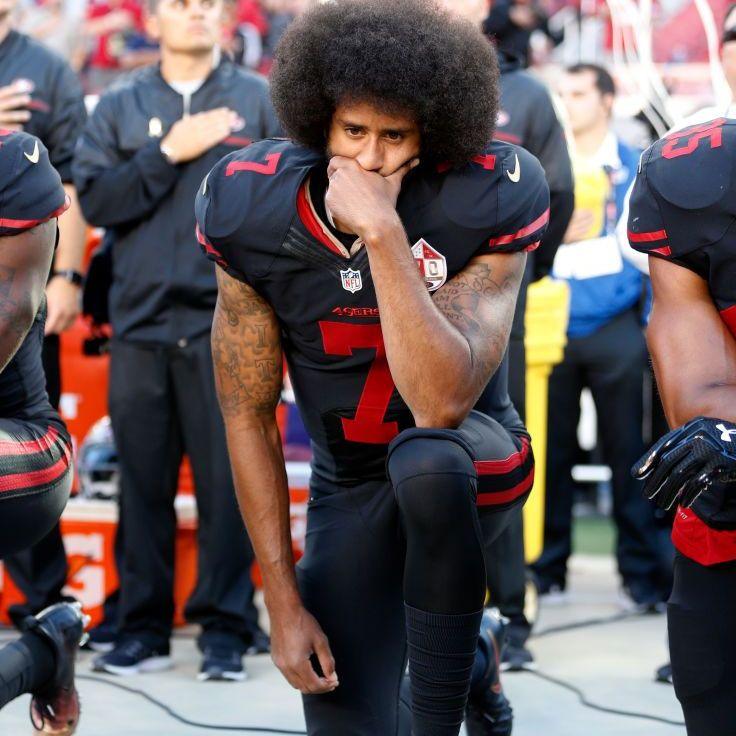
Ten years on from making the gesture that sent him to iconic status, former NFL quarterback Colin Kaepernick insists he has no regrets about kneeling during the 2016 pre‑season game before the San Francisco 49ers.
The act, performed while the stars, “I could not stand up for - and show pride in - a flag for a country that oppresses black people and people of colour,” declared Kaepernick, became a touchstone for athletes worldwide, inspiring players to join the protest and sparking debate over the relationship of sport and politics.
Opposition followed quickly from political leaders, with then‑candidate Donald Trump calling the gesture a “terrible thing” and suggesting that players should be fired if they refuse to stand. The NFL responded with fines for teams whose players did not stand, and in March 2017 Kaepernick opted out of his contract with the 49ers. The club later said he would have been released regardless.
Despite winning the 2013 Super Bowl with the 49ers and throwing 16 touchdown passes in his final season, Kaepernick never signed with another NFL team, a fact he says reflects the “price” of the protest. He filed a grievance against NFL owners in 2019, alleging deliberate exclusion because of his activism, and reached a financial settlement.
In a 2026 interview with BBC Sport, Kaepernick reflected on how the gesture set a new standard for athlete activism. He recalls the power of seeing England’s men’s and women’s football teams take the knee after the murder of George Floyd in 2020, calling the moment “humbling” and reinforcing that the protest is a global struggle against racism.
Kaepernick notes that while many athletes use social media to raise awareness, the overall momentum has cooled, with some expressing frustration over the pace of change. He apologises that certain players have chosen to remain standing during the Premier League No Room for Racism campaign, emphasising that the gesture still matters in revealing structural inequalities.
He also addressed critics who insist sport and politics should stay apart. “Politics is inherently part of sports,” he said, explaining that taxpayers fund stadiums and owners support political candidates, making it impossible to separate the two spheres. He refers to the high costs of hiring or refusing to hold back those who protest.
Kaepernick praises the brand Nike’s controversial partnership with him, which elevated the protest’s reach, though critics demanded boycotts of Nike. He also explains that his upbringing in a white family that adopted him and his early encounters with racism shaped the decision to kneel decades before the act became global.
Now 38, Kaepernick has written a memoir titled “The Perilous Fight” and continues community work through the Know Your Rights education campaign. He maintains his fitness regime, readying for any unexpected return to the NFL, but stresses that his main focus is advancing the fight for equal rights globally.
He ends by saying that athletes like Tommie Smith, John Carlos and Muhammad Ali were “humbling to be in the same conversation,” but urges the world to keep moving forward, “creating a society that works for everyone.”