In brief
Federal prosecutors have filed a criminal information accusing former FBI director James Comey of disclosing national defence information to the New York Times in 2016. This marks the third time the Justice Department has pursued criminal sanctions against Comey, following earlier accusations of lying to Congress and an Instagram post deemed threatening to the former president. Comey has publicly denied the allegations, calling the charges an “appalling abuse” of the Department of Justice. His attorneys argue the case exceeds the 10‑year statute of limitations and that the investigation is politically motivated. The new indictment remains sealed, and Comey has filed a motion to dismiss the charges.
Federal Charge Over Alleged Classified Leak
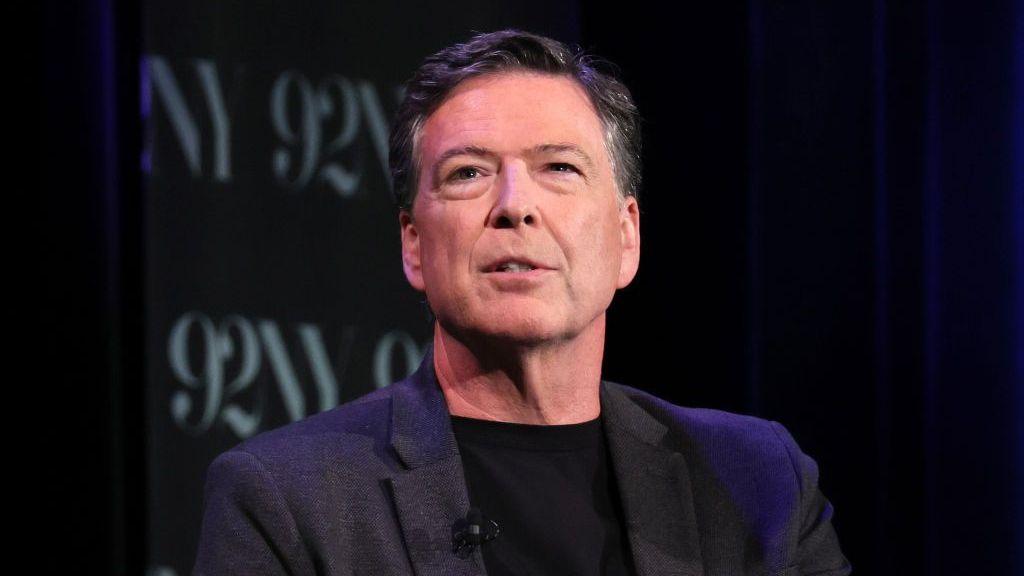
In a court filing released on Tuesday, federal prosecutors announced new criminal charges against former FBI director James Comey. The indictment accuses him of disclosing national defence information to the New York Times back in October 2016, while he was at the top of the bureau.
This is the third time the Justice Department has pursued criminal sanctions against Comey, after earlier accusations of lying to Congress and a separate indictment over a 2025 Instagram post that prosecutors say was a threat to President Trump.
The filing does not detail the two counts, but Comey’s legal team says the charges stem from the alleged disclosure to the newspaper in 2016, a matter that was previously investigated twice during the Trump administration with no prosecution sought.
Comey responded to the indictment with a video posted on his Substack account in which he calls the charges an “appalling abuse” of the Department of Justice and insists his innocence and resolve remain unchanged.
The indictment comes in the form of a criminal information, a formal charging document filed directly by a prosecutor, rather than a criminal indictment that requires a grand‑jury vote. This procedural difference is cited by Comey’s lawyer Patrick Fitzgerald.
Fitzgerald told reporters that both independent investigations concluded that no charges should be brought, and that the current filing purports to accuse Comey of crimes he never committed.
The defense is moving to dismiss the charges on grounds that the alleged conduct likely falls outside the 10‑year statute of limitations and that the prosecution is driven by political retaliation from the former president.
Former federal prosecutor Glenn Kirschner stated that the timing of the indictment points to a revenge‑fuelled effort, and law professor Jessica Levinson noted that Comey’s legal team’s claims align with a pattern of the Trump administration pursuing politically motivated cases.
Since his dismissal by Donald Trump in 2017, Comey’s legal battles have expanded to include a 2025 indictment over congressional testimony and a 2026 charge over an Instagram post. The latest indictment was released on the same day a federal judge ruled that his daughter was illegally fired by the Trump administration, ordering her reinstatement and back pay.
The new indictment remains sealed; Comey’s attorneys have filed a motion to dismiss, and observers say the case may not advance further if courts determine it fails to meet statutory requirements or is politically motivated.