In brief
The recently elected Luiz Inácio Lula da Silva has transformed Brazil’s domestic politics into a barometer of U.S. influence in the hemisphere. By refusing to accept U.S. interference and rallying patriotic sentiment, Lula has won a fourth term that the Trump administration regards as a "rigged" and "terrible" outcome. Trump's reaction—initially hostile but later more conciliatory—highlights how Brazil’s assertive foreign policy could signal a wider geopolitical shift away from Washington’s influence. The new embattled partnership faces challenges over trade tariffs, security cooperation and tech interference, but remains essential to any U.S. future in Latin America.
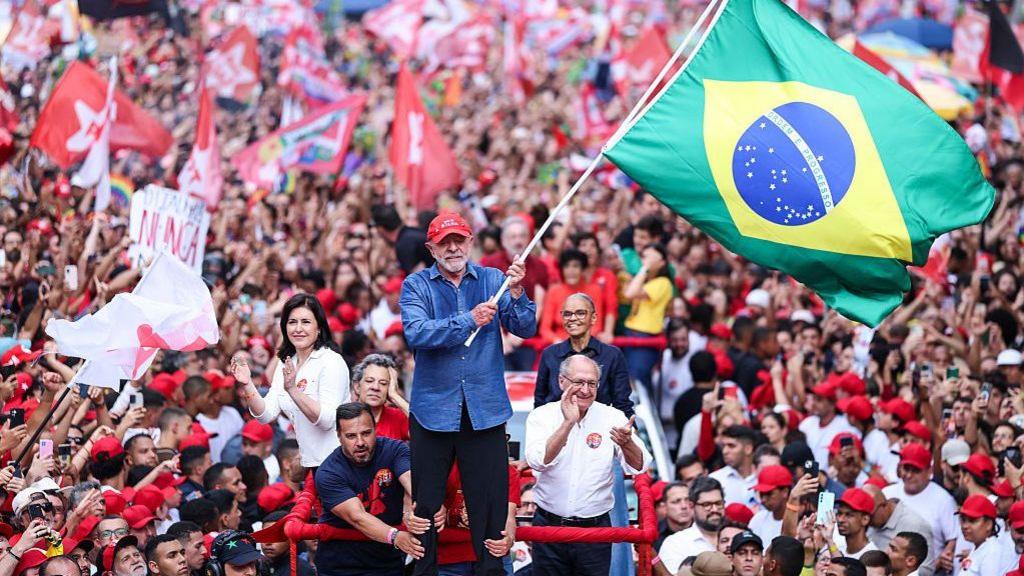
Brazil’s new president, former union leader Luiz Inácio Lula da Silva, delivered a rally‑fire proclamation after his unexpected victory that directly challenged the United States: “Brazil will not accept being anyone’s backyard.” The speech was aimed at Washington and resonated with a populist ethos that echoes the anti‑establishment tone of Ukraine’s own political upheavals.
The campaign’s refusal to cultivate a pro‑U.S. image cost the party dearly—and bought Lula the support of voters who felt alienated by external interference. His post‑election rhetoric, bolstered by grassroots “Brazil belongs to Brazilians” banners, lifted his approval ratings and deflated the influence of the former President Jair Bolsonaro’s family, a force that had long lobbied for U.S. tariffs and emboldened a right‑wing coalition that Trump had dubbed the “Donroe Doctrine”.
After the fight for votes, the political standoff between the two leaders softened. However, the story remains far from over. The U.S. recently reduced tariffs on Brazilian soybean but has lifted them on machinery, and new disagreements over Brazil’s instant‑payment system Pix likely to be viewed by Washington as a threat to traditional payment networks.
Moreover, Lula’s policy toward U.S.‑driven military actions—ranging from Venezuela’s intervention to the ban on Brazil’s most feared gangs—confronts a U.S. stance rooted in the region’s Cold War history. The loss of diplomatic goodwill over visa revocations and claims that Brazil’s electoral system is under attack potentially resurge tensions should the Trump administration continue to label the election as “rigged.”
If Brazil pulls away from Washington’s orbit, the world will witness a notable pivot of Latin American politics. The new president’s willingness to challenge U.S. dominance may either forge a new alliance that tests Trump’s geopolitical ambitions or draw Brazil into a standoff that could reshape the hemisphere’s strategic landscape. The outcome will hinge on whether the United States cedes influence or escalates pressure on Brazil’s domestic and foreign policy priorities.