In brief
In Corpus Christi, Texas, a severe drought has depleted water reserves, prompting officials to implement stringent water restrictions. With over half a million people served and a thriving industrial sector, the city faces challenges in balancing residential needs against those of industry. Without substantial rain or new water sources, forecasts indicate a potential emergency could arise within months.
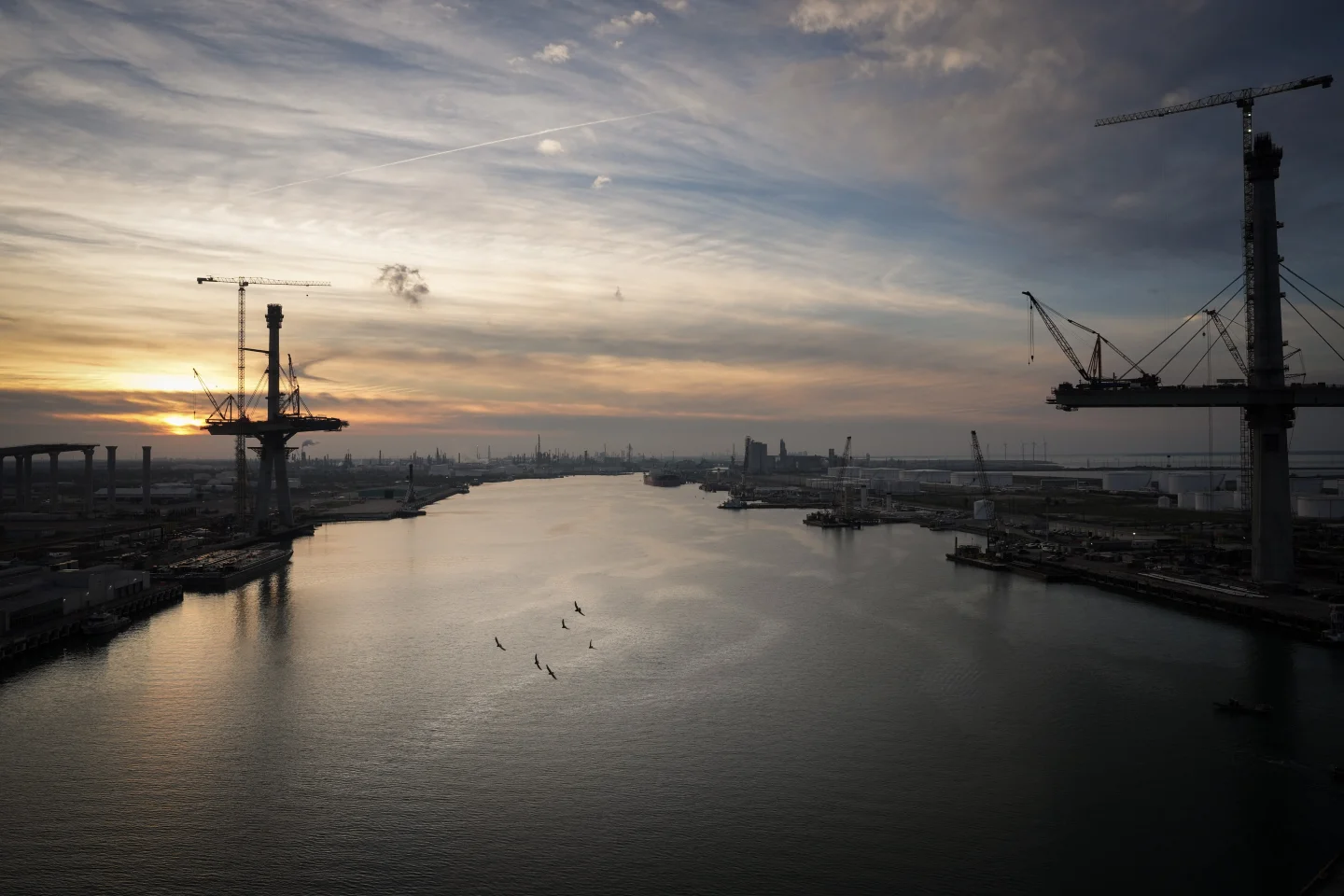
The city of Corpus Christi, Texas, is in crisis mode as a persistent drought threatens its water supply, prompting officials to impose restrictions and look for solutions. With the city’s water reservoirs at historically low levels, the local government is scrambling to manage the water supply effectively, especially for its industrial customers, who account for a significant portion of water usage.
City Manager Peter Zanoni noted that the situation has been evolving over years, stating, We just have not kept up with water supply and water infrastructure like we should have. And it’s decades in the making. Experts initially did not predict such a severe drought, and the anticipated new water sources have not materialized.
With about 317,000 residents and numerous industries reliant on water—such as refineries and steel mills—the stakes are high. Residents have expressed frustration at the stringent measures being implemented, which include mandatory phase restrictions on outdoor water use as the city moves to Stage 3 of its drought plan.
In the face of water conservation efforts, there are concerns that big industries might not share equitably in the burden of water shortages, leading to a backlash among local citizens. A grassroots activist noted that the policies appear to favor industry, leaving residents to bear the weight of conservation efforts.
As officials consider tapping into groundwater, there are hopes for a significant project to secure additional water resources, pending state approval. However, the urgency of the situation means that if the drought persists, drastic measures will likely be required to safeguard the city’s water supply and avert an emergency declaration.
In this critical time, the city of Corpus Christi is left balancing risks and resources, with the hope of navigating through this ongoing drought without detrimental impacts on its population or industry.