In brief
In response to the driest winter on record in the region, officials are planning substantial water releases from Flaming Gorge Reservoir to Lake Powell to maintain electricity generation for over 350,000 homes. This action comes as drought continues to threaten water supplies across the Colorado River basin.
FORT COLLINS, Colo. — This spring, eastern Utah's canyons are set to release vast amounts of water — potentially equivalent to 50,000 toilets flushing simultaneously — to bolster electricity generation amid ongoing drought conditions affecting the Western United States.
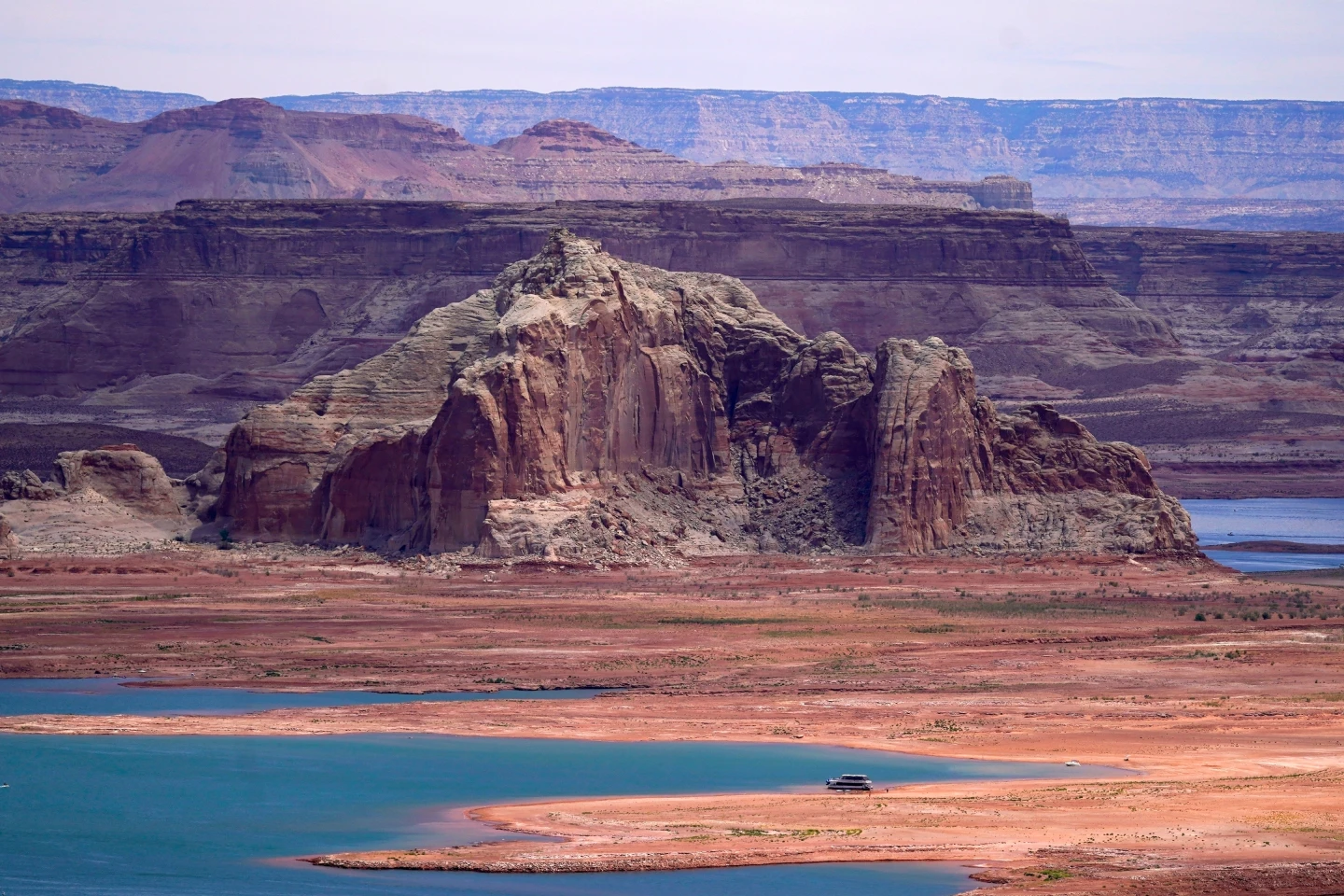
Despite appearances, the flows from the Green and Colorado Rivers signal a critical need for water management rather than a surplus in this arid region. Following a record-breaking dry winter, officials aim to elevate the dwindling levels of Lake Powell by releasing around a third of the water stored in Flaming Gorge Reservoir, surpassing the water flow surge seen in 2022 that helped sustain electricity supply.
Lake Powell, blocked by Glen Canyon Dam, is a significant source of low-cost, carbon-free electricity for more than 350,000 homes. However, this urgent measure could have adverse effects elsewhere in a river basin heavily reliant on water for various users, including ranchers and over 40 million residential customers.
Operators at Buckboard Marina, Tony and Jen Valdez, are concerned about the potential decline of water levels by up to 10 feet by summer, which would hinder boat access. “Of course we’re concerned,” said Jen Valdez, acknowledging that the issue may escalate.
The planned releases aim to maintain a safe waterline at Lake Powell to ensure the operation of power-generating turbines, which cannot operate properly if the water falls too low. Historically, the water level must remain above 3,490 feet; thus, drastic measures are deemed necessary to prevent complications.
Hydropower dependency means that the impacts of reduced water flows resonate beyond just Lake Powell, affecting facilities further downstream like Lake Mead, where lake levels may drop drastically if water is withheld. The power cuts could push utilities to source energy elsewhere, potentially increasing costs for consumers.
With the continuous threat of worsening drought, the urgency of managing water levels becomes increasingly critical. As the region witnesses more frequent dry spells and increasing evaporation, maintaining a balance of hydropower and ecological health remains a pressing challenge. Local stakeholders remain hopeful that fluctuations in weather might someday offer relief from prolonged dry spells.
While these current steps provide a temporary solution, experts warn that a significant and lasting wet period is necessary to combat an ongoing megadrought that has persisted for nearly 25 years, exacerbated by climate change.