In brief
As wildfires wreak havoc across Georgia, destroying over 50 homes and forcing evacuations, experts warn that the Eastern U.S. is facing unprecedented fire risks due to climate change. Factors such as prolonged drought, a growing number of dead trees from past hurricanes, and increasing temperatures are contributing to the escalation of these destructive events.
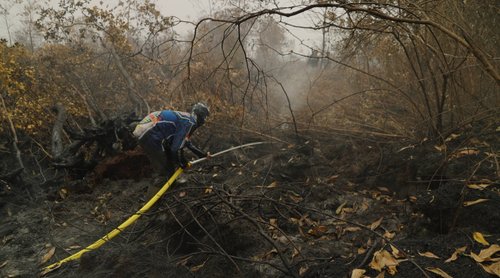
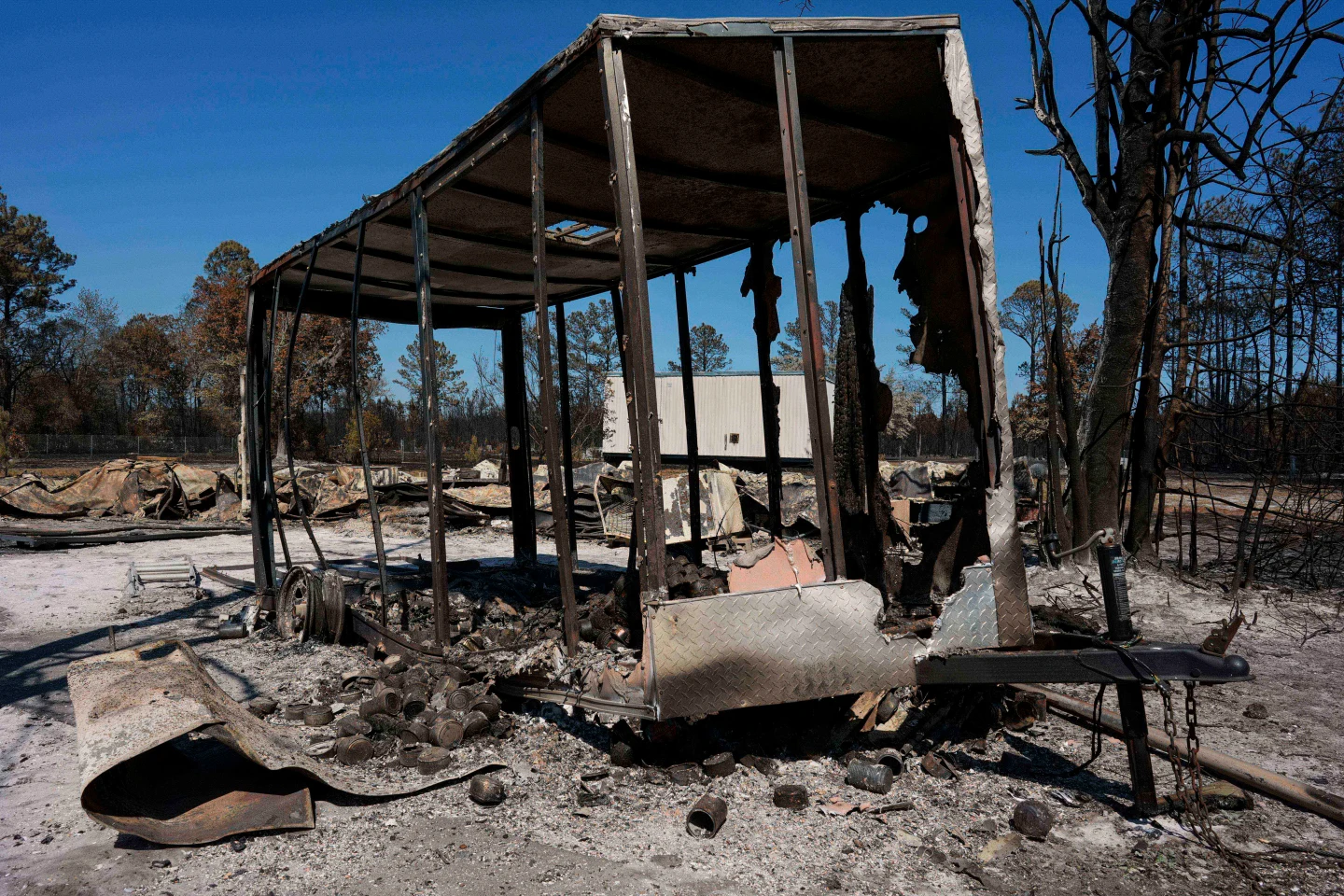
This week, wildfires in Georgia have destroyed more than 50 homes, reaffirming concerns among fire scientists about the increasing severity and frequency of wildfires in the Eastern United States. Traditionally regarded as a more pressing issue in Western North America, the dynamics are shifting, with devastating fires now affecting communities in the East.
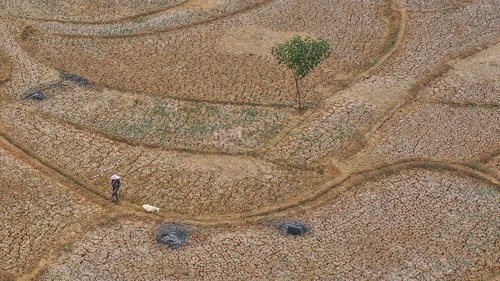
Researchers suggest a host of factors contribute to this trend: a changing climate is intensifying drought conditions, making fuels drier and more ignitable. Additionally, the aftermath of Hurricane Helene has left millions of dead trees, increasing potential fuel for fires. The ongoing coexistence of high-density forest areas and populated regions exacerbates the risk.
According to the National Interagency Fire Center, an estimated 2,802 square miles (7,258 square kilometers) of land in the United States has succumbed to wildfires this year — an 88% rise compared to the 10-year average for this time of year. Notably, significant portions of the country, including Nebraska, which is not typically prone to wildfires, are experiencing vast areas of destruction that analysts classify as unusual.
“The warmer we get, the more fire we see. Longer fire seasons, more lightning possibly, and drier fuels,” comments fire scientist Mike Flannigan from Thompson Rivers University. “We’re seeing more intense fires, especially in the East.”
A study from the University of Florida highlights that, from 1984 to 2020, the Southeast U.S. has seen rising incidents of large wildfires; this change might not capture as much attention as those in the West, but its implications are significant. The fires on the East Coast may be smaller but are densely populated areas at high risk.
Moreover, experts from various organizations have come together to form a new network dedicated to understanding the unique wildfire challenges facing the East. They assert that differences in vegetation and fire behavior necessitate tailored approaches distinct from those learned in the West.
Addressing the current state of wildfire conditions, Nick Nauslar, a fire science operations officer at the National Weather Service, also warns of the long-term implications of storm damage from Hurricane Helene, adding that the residual dead trees represent a ticking time bomb for future fire hazards.
With a significant percentage of large wildfires occurring in the wildland-urban interface, the stakes could not be higher. The prevailing dry air and drought conditions are enhancing the likelihood that any fires igniting will spread rapidly and uncontrollably, a scenario that many experts fear will only worsen without immediate intervention.