In brief
As drought ravages northern Kenya, communities like those in Turkana are turning to the doum palm or gingerbread tree, known locally as 'mikwamo', for sustenance. With livestock losses and food shortages leaving families struggling to survive, the gingerbread tree's fruits have become one of the few food options available. Local residents speak of treks of over three hours in search of these fruits, which, despite being a crucial food source, pose health risks when overconsumed. Humanitarian aid is crucial but insufficient, as thousands remain in urgent need.
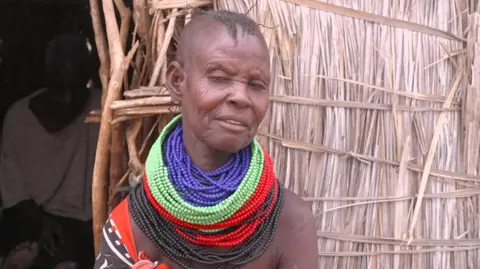
In Turkana county, Kenya, where drought has left families struggling, Lotkoy Ebey is among those who have seen their livestock numbers plummet from 50 to just five goats, a reflection of the dire conditions faced across the region. The prolonged drought has decimated pasture, impacting not only livestock but also food availability for families. Despite recent rains, which have caused flash floods in areas, relief has yet to reach those most affected, particularly in Turkana, where experts indicate that many regions have received little help.The devastating impact of the drought spans much of East Africa, leaving millions facing hunger in regions including Kenya, Ethiopia, and Somalia. Locals in Turkana face a grim existence, with dry riverbeds marking the landscape and grazing fields stripped bare.For many like Ebey, meals are sporadic, often reduced to one a day or less. To cope, women in Kakwanyang village are foraging for fruit from the doum palm or gingerbread tree, which has become a vital albeit unreliable food source. The fruit resembles gingerbread and can fill empty stomachs, but consuming too much can lead to stomach problems. Community members are compelled to search long distances for this wild food, while relying on the meager resources available in the wake of collapsing livestock populations.Humanitarian agencies are aware of the need, with Jacob Letosiro from Turkana's drought management team noting that over 320,000 people are urgently in need of assistance. However, recent rains have not substantially alleviated the situation, raising concerns about sustainability. Efforts from the Kenyan government and NGOs are underway, but the vast scale of the crisis remains daunting, leading many like Ebey to rely on whatever they can find in the wild.