In brief
Licola, a small Australian town known for its scenic beauty and community spirit, is up for sale, leaving its few residents and the surrounding community in distress. With a rich history as a gathering place for disadvantaged youth, the town's fate hangs in the balance as locals express outrage and concern over potential commercialization and loss of community values.
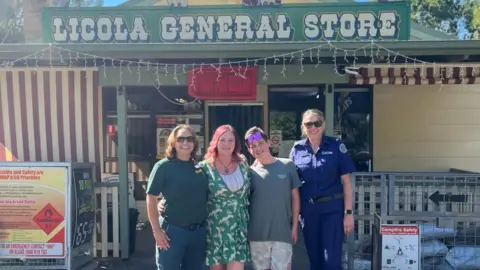
Tucked away in the rugged Victorian bushland lies the tiny outpost of Licola, population: five. Consisting of a couple of weatherboard buildings, a general store, a caravan park and a petrol station grouped around a modest main street, Licola is one of Australia's smallest towns.
If you have a spare couple of million dollars, you can buy it. The entire village - a three-hour drive from Melbourne - is now up for grabs, much to the shock and ire of tight-knit locals.
Privately owned by a local community club, Licola has long been a guaranteed pit stop for fuel, food, and rest for travelers on their way to the Alpine National Park. It has a 50-year legacy of hosting outreach programs for young people.
However, the local branch of the Lions Club says it can't afford to run the town anymore and quietly listed it for sale online late last year. This has raised alarm bells among Licola's passionate residents, locals from surrounding areas, and even other Lions Clubs state members, who feel they weren't fairly consulted.
Located beside the mighty Macalister River in Victoria's high country, Licola was initially home to a timber mill in the 1950s. After it closed in 1968, the Lions Club acquired the site, transforming it into a camp for disadvantaged youth during school holidays.
Leanne O'Donnell, who runs Licola's General Store, represents the town's spirit. She has worked tirelessly to create a welcoming venue for all visitors, saying, It's an amazing place, highlighting her connection with both locals and passing travelers.
As the sale progresses, O'Donnell faces eviction from her store, raising fears among the residents about the future of their community. An online petition has already garnered over 8000 signatures, demanding that the lease be renewed and O'Donnell be allowed to stay.
In response to the backlash, the Lions Village Licola board has stated that staff have received threats and have considered withdrawing from the town. The decision to sell was made after a review indicated that owning the village was financially unsustainable.
The future of Licola remains uncertain amid rising concerns over its potential commercialization. Residents hope to preserve the community's spirit and legacy while fighting for their beloved town.