US officials have announced fraud charges against the Southern Poverty Law Center (SPLC), a civil rights group that tracks extremist organizations and played a prominent role in confronting the Ku Klux Klan (KKK).
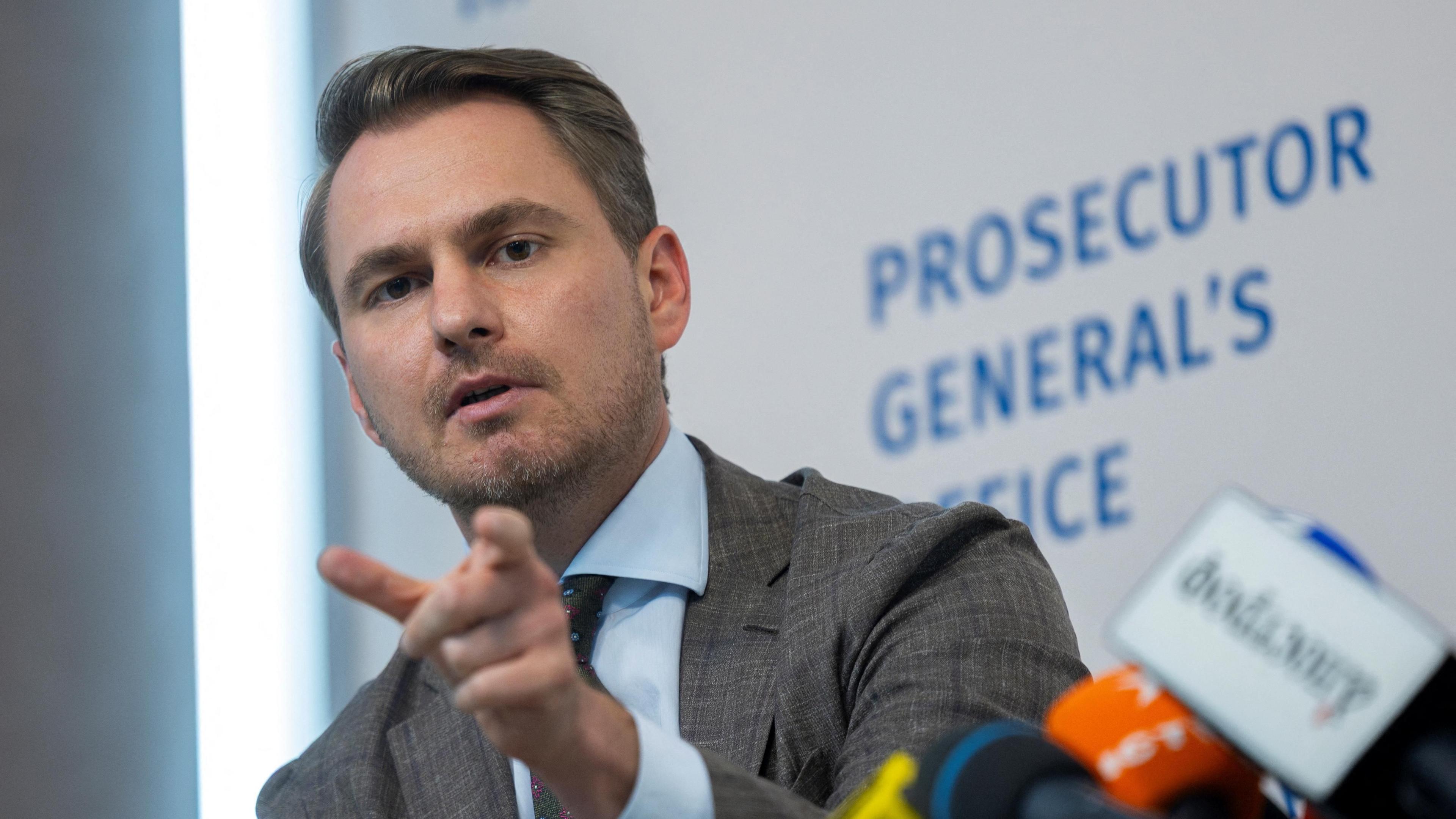
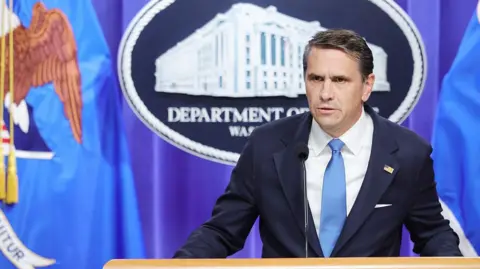
In a news conference on Tuesday, Acting Attorney General Todd Blanche accused the non-profit of secretly funding the very groups that it says it opposes, through paying informants who infiltrated them - including within the KKK.
An indictment charges the SPLC with six counts of wire fraud, four counts of bank fraud, and one count of conspiracy to commit money laundering.
The organization's president has said they would 'vigorously defend ourselves, our staff, and our work'.
The SPLC has long had a sour relationship with the Trump administration. In October, the FBI ended its relationship with the group after accusing it of being a 'partisan smear machine'.
Some Republicans have also accused the group of unfairly targeting conservative groups such as Turning Point USA and individuals aligned with the Trump administration.
SPLC interim leader Bryan Fair said in a video statement that the organization has dedicated the last 55 years to 'fighting white supremacy and various forms of injustice'. He indicated the use of informants was necessary due to threats of violence faced by the organization.
The indictment alleges the group paid hundreds of thousands of dollars to informants associated with various extremist groups, including a payment of $1 million to an informant who infiltrated the National Alliance.
In another instance, the indictment says the SPLC sent more than $270,000 to a person associated with the deadly white nationalist Unite the Right event in Charlottesville, Virginia, in 2017, without specifying the individual's work for the organization.
Overall, the indictment claims that the SPLC funneled over $3 million to individuals linked with violent extremist groups from 2014 to 2023. Allegations suggest the organization misrepresented the use of donations that funded these informants.
In retaliation, Fair accused prosecutors of 'weaponising' the justice system against groups that stand up for vulnerable populations, asserting that the SPLC no longer works with paid informants but has previously shared information with law enforcement. 'These individuals risked their lives to infiltrate and inform on the activities of our nation's most radical and violent extremist groups,' he concluded.
In a news conference on Tuesday, Acting Attorney General Todd Blanche accused the non-profit of secretly funding the very groups that it says it opposes, through paying informants who infiltrated them - including within the KKK.
An indictment charges the SPLC with six counts of wire fraud, four counts of bank fraud, and one count of conspiracy to commit money laundering.
The organization's president has said they would 'vigorously defend ourselves, our staff, and our work'.
The SPLC has long had a sour relationship with the Trump administration. In October, the FBI ended its relationship with the group after accusing it of being a 'partisan smear machine'.
Some Republicans have also accused the group of unfairly targeting conservative groups such as Turning Point USA and individuals aligned with the Trump administration.
SPLC interim leader Bryan Fair said in a video statement that the organization has dedicated the last 55 years to 'fighting white supremacy and various forms of injustice'. He indicated the use of informants was necessary due to threats of violence faced by the organization.
The indictment alleges the group paid hundreds of thousands of dollars to informants associated with various extremist groups, including a payment of $1 million to an informant who infiltrated the National Alliance.
In another instance, the indictment says the SPLC sent more than $270,000 to a person associated with the deadly white nationalist Unite the Right event in Charlottesville, Virginia, in 2017, without specifying the individual's work for the organization.
Overall, the indictment claims that the SPLC funneled over $3 million to individuals linked with violent extremist groups from 2014 to 2023. Allegations suggest the organization misrepresented the use of donations that funded these informants.
In retaliation, Fair accused prosecutors of 'weaponising' the justice system against groups that stand up for vulnerable populations, asserting that the SPLC no longer works with paid informants but has previously shared information with law enforcement. 'These individuals risked their lives to infiltrate and inform on the activities of our nation's most radical and violent extremist groups,' he concluded.