Republican lawmakers are aggressively redrawing congressional districts to strengthen their position ahead of November's midterm elections following a landmark Supreme Court decision that weakened federal protections for minority voters. The ruling, which struck down key provisions of the Voting Rights Act, has triggered a scramble across Republican-controlled states to enact maps favorable to their parties.
New congressional maps have already been enacted in Tennessee and Alabama, with Louisiana and South Carolina passing initial legislative versions. However, judicial and political hurdles remain before these changes can be implemented. President Trump has pushed state legislatures to redistrict immediately, arguing his party risks losing its narrow House majority due to declining approval ratings and historical midterm trends.
Republicans aim to gain up to 15 additional seats through aggressive redistricting in seven states, though Democrats counter that they could win six seats in two states. The strategy centers on creating districts that dilute minority voting power while maintaining Republican control.
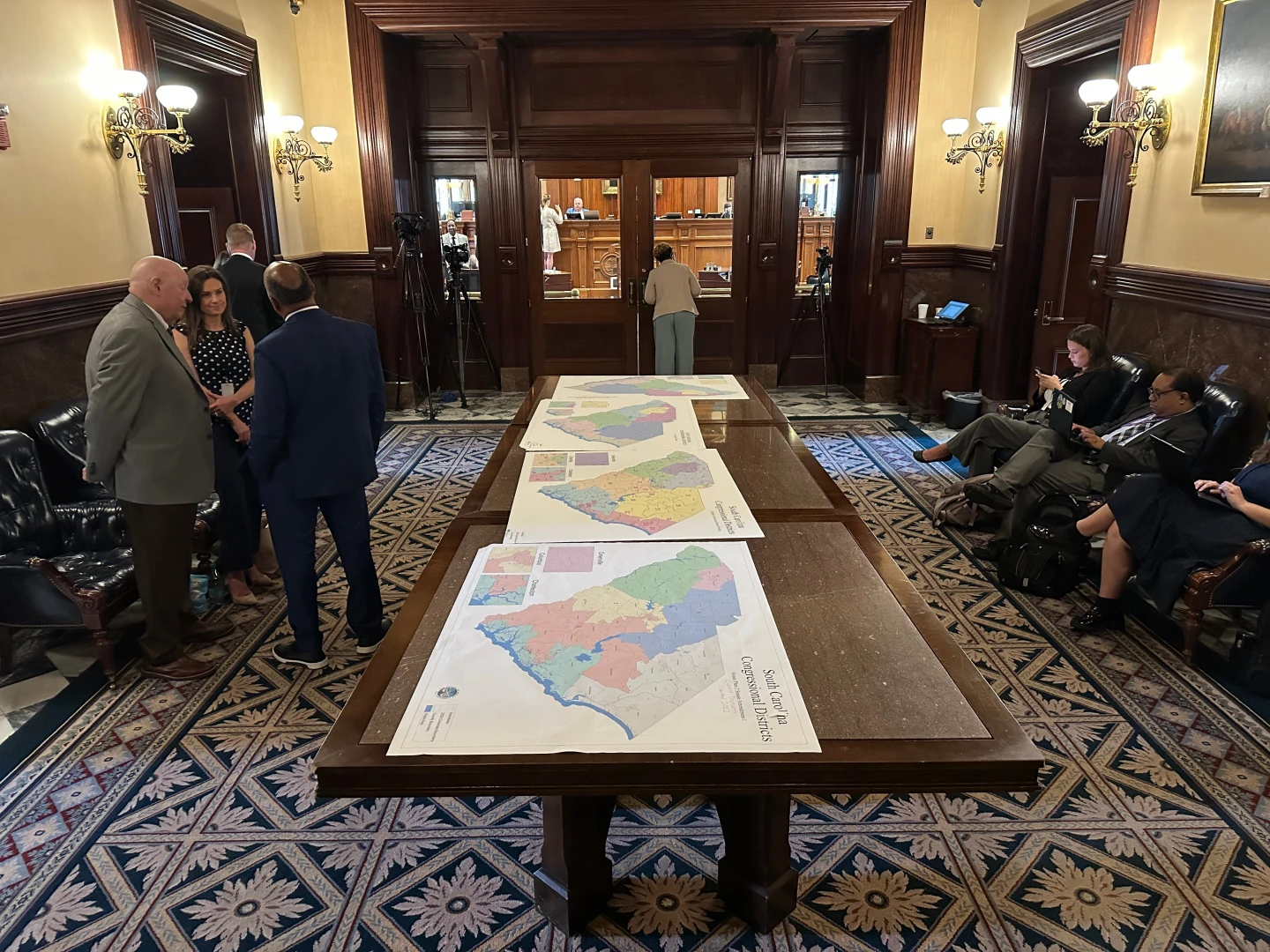
In South Carolina, Republican Governor Henry McMaster convened special sessions where the House passed a map targeting the state's lone Democratic-held seat. However, Senate approval faces uncertainty due to bipartisan concerns about potentially weakening Democratic competitiveness in adjacent districts. The state's primary is set for June 9, with August primaries potentially reshuffling affected districts.
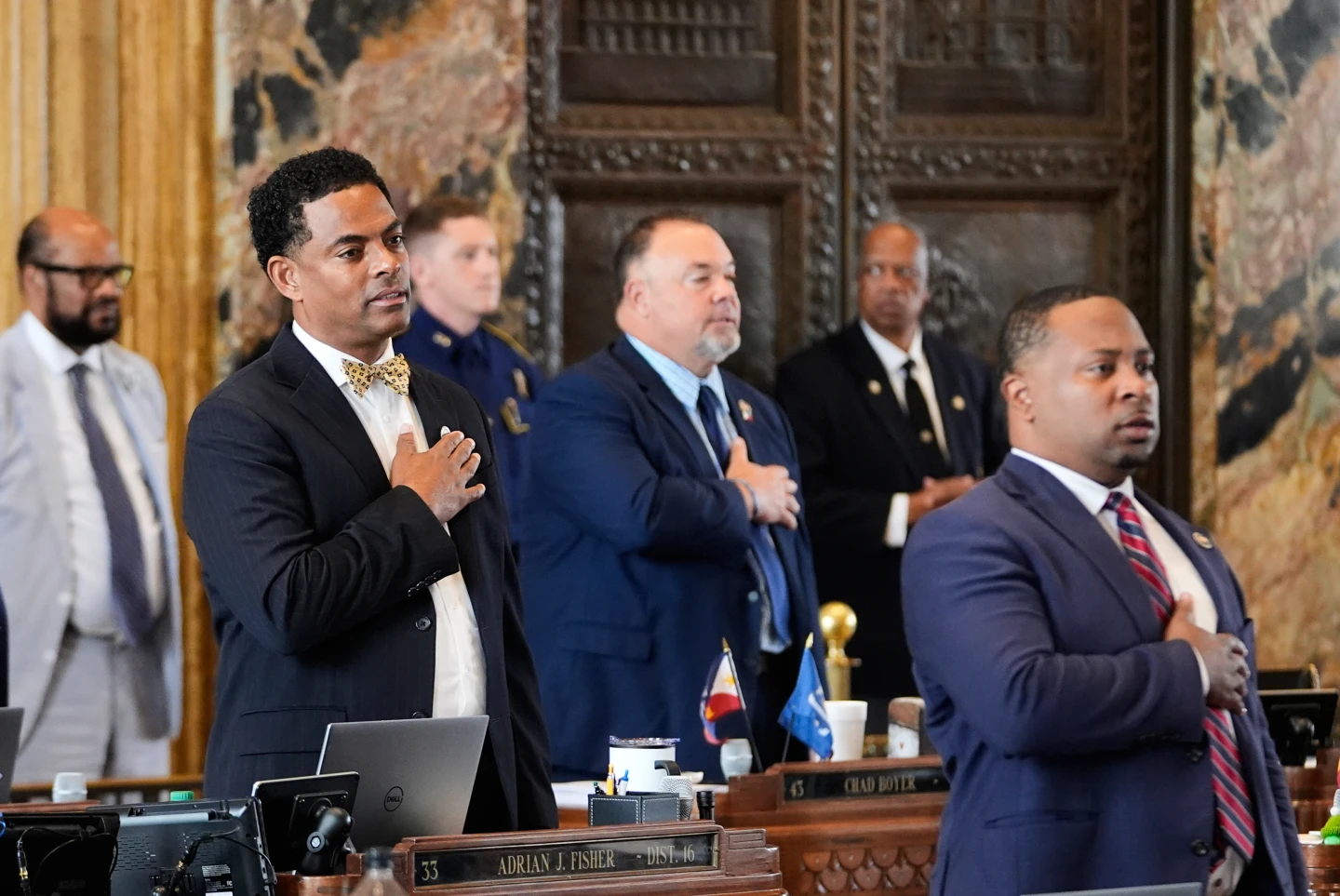
Louisiana lawmakers face competing proposals after the Supreme Court voided the state's congressional map for racial gerrymandering. While Republicans dominate the legislature, House and Senate versions differ on how to redraw affected parishes. A joint committee must mediate before the June 1 session deadline.
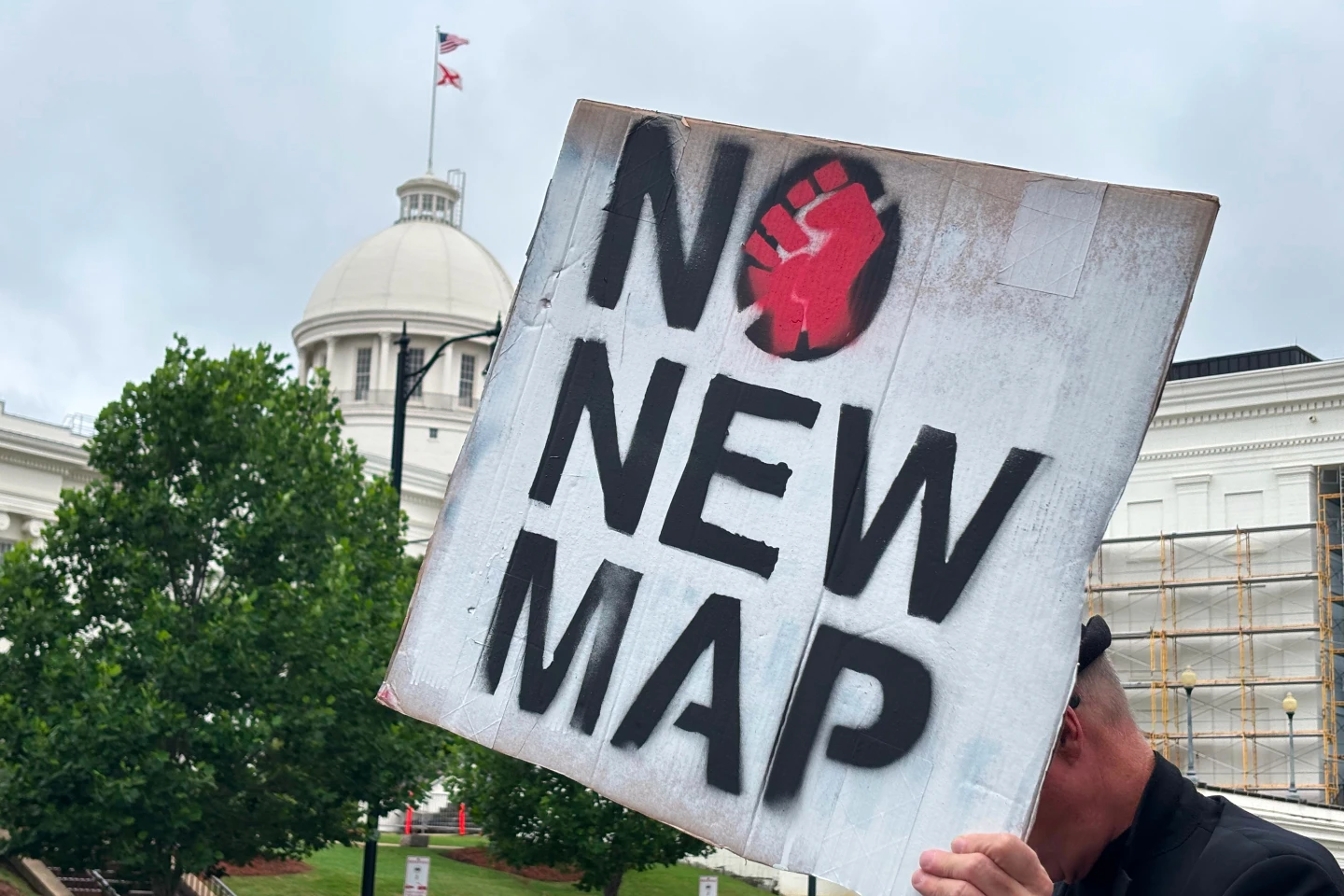
Alabama's new map—which the Supreme Court recently cleared for racial gerrymandering—faces federal court challenges. Legal advocates for Black voters argue the map remains intentionally discriminatory and seek to block its use. Meanwhile, Tennessee's congressional map is under legal challenge for allegedly violating state law by enabling mid-decade redistricting.
As states navigate these contentious processes, the race for the U.S. House intensifies. Republicans seek to preserve their narrow majority despite historical midterm losses, while Democrats push back against what they call a dangerous expansion of partisan gerrymandering.}
New congressional maps have already been enacted in Tennessee and Alabama, with Louisiana and South Carolina passing initial legislative versions. However, judicial and political hurdles remain before these changes can be implemented. President Trump has pushed state legislatures to redistrict immediately, arguing his party risks losing its narrow House majority due to declining approval ratings and historical midterm trends.
Republicans aim to gain up to 15 additional seats through aggressive redistricting in seven states, though Democrats counter that they could win six seats in two states. The strategy centers on creating districts that dilute minority voting power while maintaining Republican control.
In South Carolina, Republican Governor Henry McMaster convened special sessions where the House passed a map targeting the state's lone Democratic-held seat. However, Senate approval faces uncertainty due to bipartisan concerns about potentially weakening Democratic competitiveness in adjacent districts. The state's primary is set for June 9, with August primaries potentially reshuffling affected districts.
Louisiana lawmakers face competing proposals after the Supreme Court voided the state's congressional map for racial gerrymandering. While Republicans dominate the legislature, House and Senate versions differ on how to redraw affected parishes. A joint committee must mediate before the June 1 session deadline.
Alabama's new map—which the Supreme Court recently cleared for racial gerrymandering—faces federal court challenges. Legal advocates for Black voters argue the map remains intentionally discriminatory and seek to block its use. Meanwhile, Tennessee's congressional map is under legal challenge for allegedly violating state law by enabling mid-decade redistricting.
As states navigate these contentious processes, the race for the U.S. House intensifies. Republicans seek to preserve their narrow majority despite historical midterm losses, while Democrats push back against what they call a dangerous expansion of partisan gerrymandering.}