In the early hours of June 9, South‑Carolina voters filed ballots for the state’s primary election under the existing congressional map. As the county clerks counted their votes, the state Senate made a decisive move: it rejected a Republican‑initiated proposal to redraw the district boundaries and shift the primaries to August. “South Carolina citizens are going to the polls today. And neither my conscience nor common sense is going to let me stop an election that is already underway,” said Republican state Senator Richard Cash.
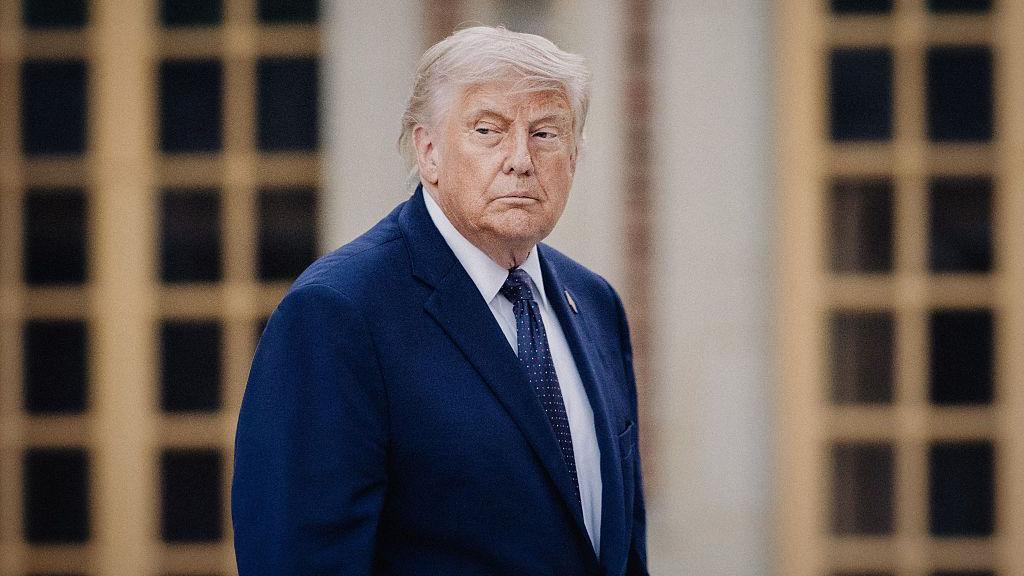
The denial came amid a broader Republican campaign—propelled by former President Donald Trump—to redraw districts in a rush to secure a Republican majority in the House before the November elections. Trump has been urging GOP‑controlled state legislatures to enact new maps for the 2026 election cycle, a strategy that hinges on a Supreme Court decision that weakened minority protections under the Voting Rights Act.
Across state lines, the fight is ongoing. In Alabama, a three‑judge federal panel issued a preliminary injunction on the same day, preventing the state from using a Republican‑drawn map that would add an extra seat to the GOP. The court found the plan “intentionally discriminated based on race” by giving only one majority‑Black district, and ordered continued use of a court‑imposed map that preserves two districts with significant Black populations.
The redistricting race carried over to other states: Missouri, North Carolina, Ohio and Florida have adopted new House maps following the 2020 census, while Texas, Tennessee and Louisiana are in the throes of legislative debate. Republicans estimate that these state‑level changes could net them up to 15 extra seats, whereas Democrats anticipate gains of about five seats in California and another seat in Utah from court‑ordered maps.
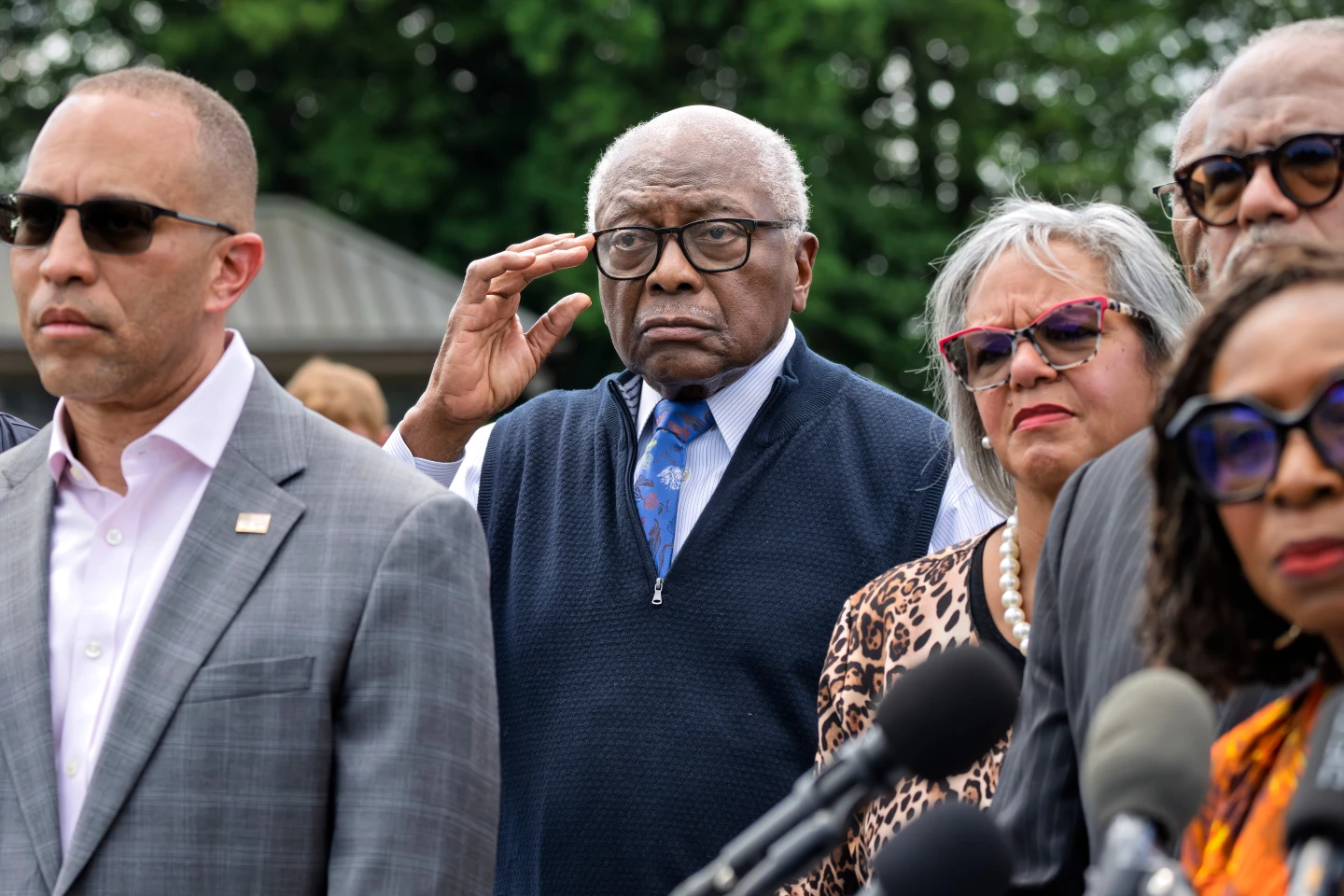
The political drama unfolded even before the primary ballots were counted. In the small town of Orangeburg, U.S. Rep. Jim Clyburn—a long‑time Democratic incumbent whose district was targeted by the GOP—cast his early ballot and vowed to run for reelection regardless of the map changes. He said, “I’m OK if it’s Trump plus 20. I would be running where I live.”
Commentary from the House shows a deep rift. Clyburn described the process as an affront to constitutional norms, arguing that “the White House says, to hell with the process, to hell with the Constitution, just do what we want done.” His words echo the broader Democratic critique of aggressive redistricting tactics employed by Republican lawmakers.
In the coming weeks, the court‑banned Alabama map will remain in effect until a final decision is reached, and the South Carolina Senate is expected to lodge a formal protest. The nation watches as the balance of power in the House hinges on a handful of districts that could shift the political landscape in the long‑term.
---
Chandler reported from Montgomery, Alabama, and Lieb from Jefferson City, Missouri.
The denial came amid a broader Republican campaign—propelled by former President Donald Trump—to redraw districts in a rush to secure a Republican majority in the House before the November elections. Trump has been urging GOP‑controlled state legislatures to enact new maps for the 2026 election cycle, a strategy that hinges on a Supreme Court decision that weakened minority protections under the Voting Rights Act.
Across state lines, the fight is ongoing. In Alabama, a three‑judge federal panel issued a preliminary injunction on the same day, preventing the state from using a Republican‑drawn map that would add an extra seat to the GOP. The court found the plan “intentionally discriminated based on race” by giving only one majority‑Black district, and ordered continued use of a court‑imposed map that preserves two districts with significant Black populations.
The redistricting race carried over to other states: Missouri, North Carolina, Ohio and Florida have adopted new House maps following the 2020 census, while Texas, Tennessee and Louisiana are in the throes of legislative debate. Republicans estimate that these state‑level changes could net them up to 15 extra seats, whereas Democrats anticipate gains of about five seats in California and another seat in Utah from court‑ordered maps.
The political drama unfolded even before the primary ballots were counted. In the small town of Orangeburg, U.S. Rep. Jim Clyburn—a long‑time Democratic incumbent whose district was targeted by the GOP—cast his early ballot and vowed to run for reelection regardless of the map changes. He said, “I’m OK if it’s Trump plus 20. I would be running where I live.”
Commentary from the House shows a deep rift. Clyburn described the process as an affront to constitutional norms, arguing that “the White House says, to hell with the process, to hell with the Constitution, just do what we want done.” His words echo the broader Democratic critique of aggressive redistricting tactics employed by Republican lawmakers.
In the coming weeks, the court‑banned Alabama map will remain in effect until a final decision is reached, and the South Carolina Senate is expected to lodge a formal protest. The nation watches as the balance of power in the House hinges on a handful of districts that could shift the political landscape in the long‑term.
---
Chandler reported from Montgomery, Alabama, and Lieb from Jefferson City, Missouri.