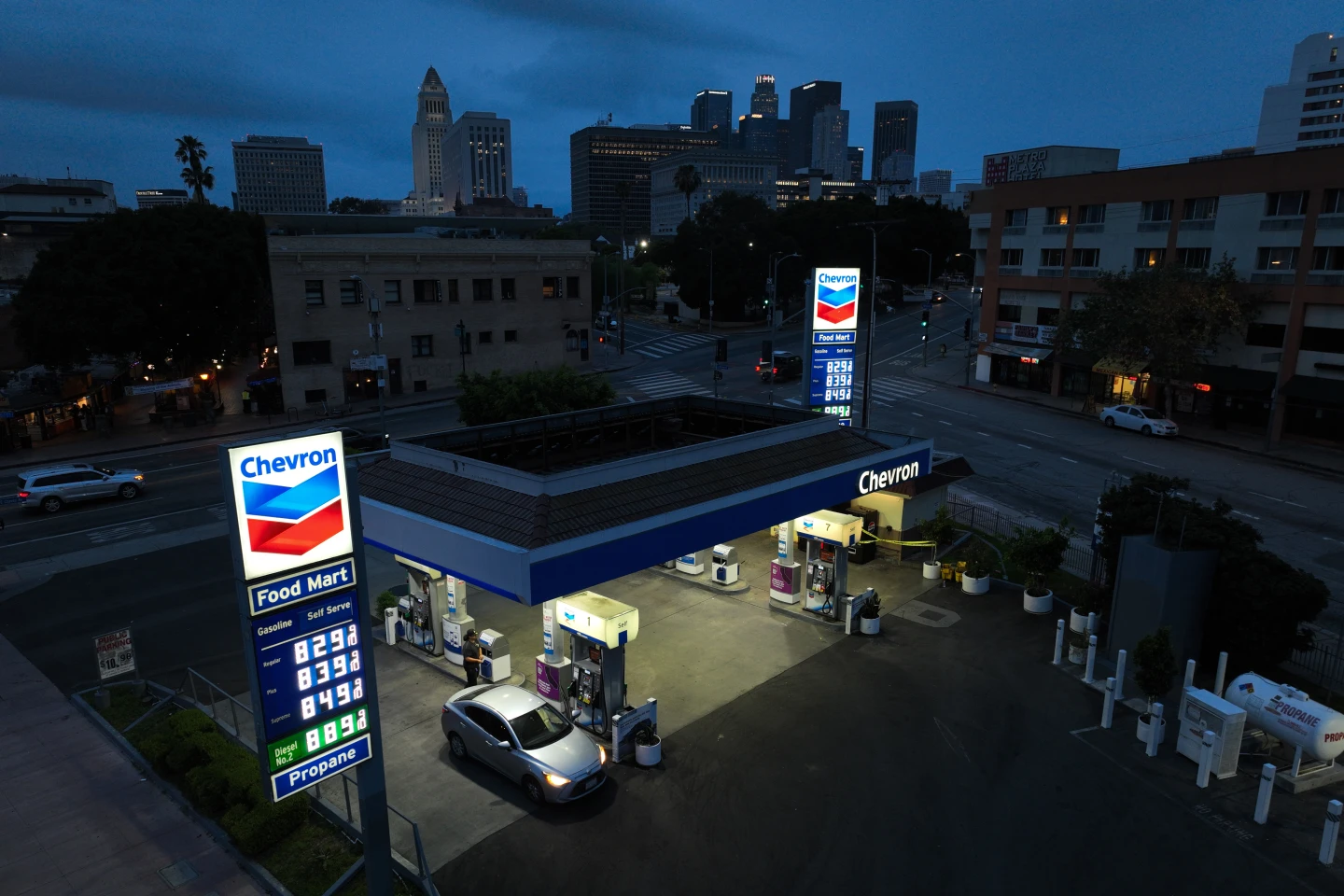
NEW YORK (AP) — This is not the run-up to the midterm elections that Republicans wanted. A year and a half after winning the White House by promising to lower costs and end wars, Donald Trump finds himself in a complicated situation as a wartime president handling surging energy costs and escalating overseas conflicts that are causing concern within his own party.
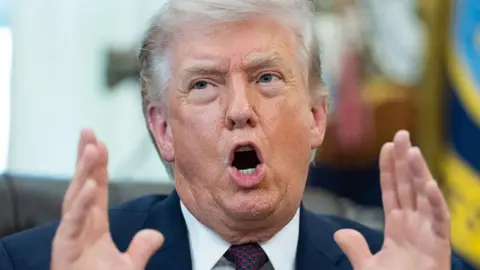
In a recent prime-time address from the White House—the first since the U.S. and Israel attacked Iran over a month ago—Trump suggested mixed signals about the war, indicating both an impending end and further escalation. Trump asserted, 'Thanks to the progress we’ve made, I can say tonight that we are on track to complete all of America’s military objectives shortly, very shortly.'
As the midterms approach, Republicans are grappling with a political landscape that has shifted dramatically since last year. Initially optimistic about maintaining control of the House and Senate, the party now acknowledges that it might lose the House, and Democrats could realistically reclaim the Senate.
Republicans are struggling to rally support around a unified message regarding Iran. Many candidates are wary to comment publicly on Trump’s military actions, reflecting a hesitance that could lead to significant political consequences. Pollster Neil Newhouse warned, 'You’re looking at an ugly November.'
Trump's popularity remains strong among Republican voters, but dissenting views are emerging, particularly concerning the ongoing war in Iran. Surveys indicate that approximately 60% of Americans believe the military actions have 'gone too far,' reflecting an underlying frustration that may carry over into the voting booths.
While Trump's supporters, like Senator Lindsey Graham, praised his latest speech and maneuvering, the president's failure to effectively communicate a compelling narrative for the war could lead to severe political fallout. With rising gas prices and widespread criticism of his policies, Trump must now navigate an increasingly hostile political environment, underscoring that time may not be on his side as he faces upcoming elections.
In a recent prime-time address from the White House—the first since the U.S. and Israel attacked Iran over a month ago—Trump suggested mixed signals about the war, indicating both an impending end and further escalation. Trump asserted, 'Thanks to the progress we’ve made, I can say tonight that we are on track to complete all of America’s military objectives shortly, very shortly.'
As the midterms approach, Republicans are grappling with a political landscape that has shifted dramatically since last year. Initially optimistic about maintaining control of the House and Senate, the party now acknowledges that it might lose the House, and Democrats could realistically reclaim the Senate.
Republicans are struggling to rally support around a unified message regarding Iran. Many candidates are wary to comment publicly on Trump’s military actions, reflecting a hesitance that could lead to significant political consequences. Pollster Neil Newhouse warned, 'You’re looking at an ugly November.'
Trump's popularity remains strong among Republican voters, but dissenting views are emerging, particularly concerning the ongoing war in Iran. Surveys indicate that approximately 60% of Americans believe the military actions have 'gone too far,' reflecting an underlying frustration that may carry over into the voting booths.
While Trump's supporters, like Senator Lindsey Graham, praised his latest speech and maneuvering, the president's failure to effectively communicate a compelling narrative for the war could lead to severe political fallout. With rising gas prices and widespread criticism of his policies, Trump must now navigate an increasingly hostile political environment, underscoring that time may not be on his side as he faces upcoming elections.