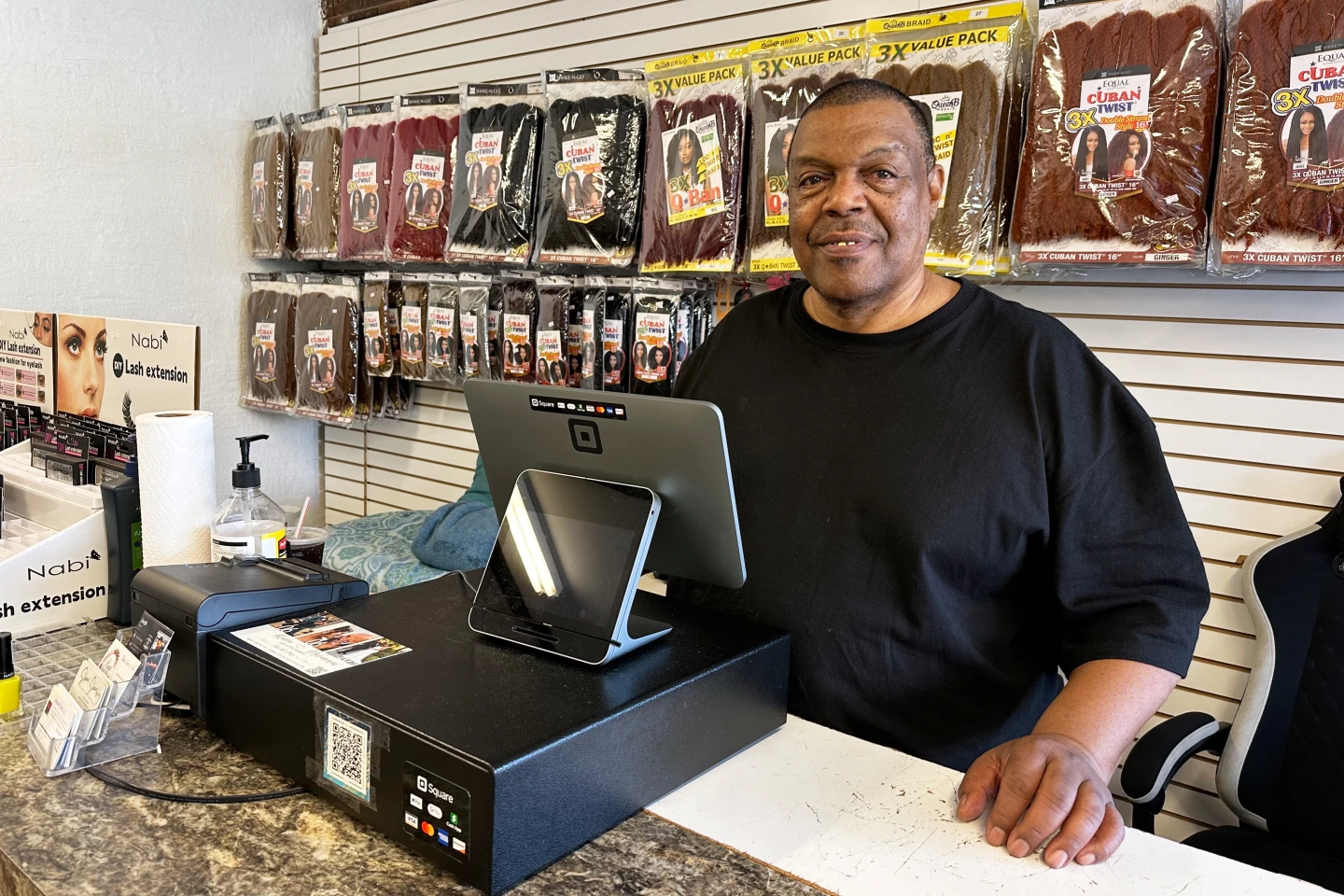
NASHVILLE, N.C. (AP) — Ricky Brinkley has lived in rural North Carolina for nearly his entire 65 years, enjoying the tranquility away from city lights. Yet, during election cycles, he feels alienated from the political dialogue. “People don’t come out like they should and ask you how you feel about things,” he lamented while working at his daughter’s beauty supply store.
Brinkley represents a crucial demographic in the ongoing struggle of Democrats to mobilize rural Black voters in this pivotal battleground state. Despite traditionally strong support among Black voters, Democratic efforts often falter in rural areas, creating a significant challenge for candidates aiming to make meaningful gains against the Republican stronghold.
Rev. James Gailliard, a pastor and former state lawmaker from Rocky Mount, bluntly stated the necessity of winning over rural voters. “You don’t win this state in Durham. You win it in the east.”
Empowering Rural Voices
North Carolina is not just defined by urban hubs like Charlotte or the university towns of the Research Triangle. Its vast rural regions, populated with small towns and agricultural communities, have seen a decline in Democratic support, not solely from white voters aligning with Republicans but also due to lower turnout rates among Black voters in these areas.
Former Governor Roy Cooper, recognized for his significant electoral victories, is emphasizing the importance of grassroots efforts to connect with rural Black voters ahead of his bid for the U.S. Senate. He has reportedly held discussions with local leaders and intends to strengthen statewide organizing before election day.
Localized Efforts and Trust Building
Gailliard advocates for a more targeted approach, directly interacting with communities instead of relying on national campaigns that may overlook localized concerns and relationships. He emphasizes that trust is a vital component; without it, outreach efforts may fail to resonate.
Statistics reveal a troubling trend – voter turnout among Black residents in rural counties decreased more significantly than in areas with smaller Black populations during the past two elections. This further intensifies the urgency for Democrats to cultivate connections and ensure that these voices are heard.
In a climate where every vote counts, engaging rural voters authentically is essential, with leaders like Gailliard tirelessly pushing for a shift in strategy to include direct engagement and investment in community organizations.
As Brinkley considers his voting options, he reflects on the political landscape, both grateful for potential support from familiar candidates but skeptical about tangible efforts to engage him and his peers. “I could. I could. I may vote,” he mused. “There’s just so much going on.”