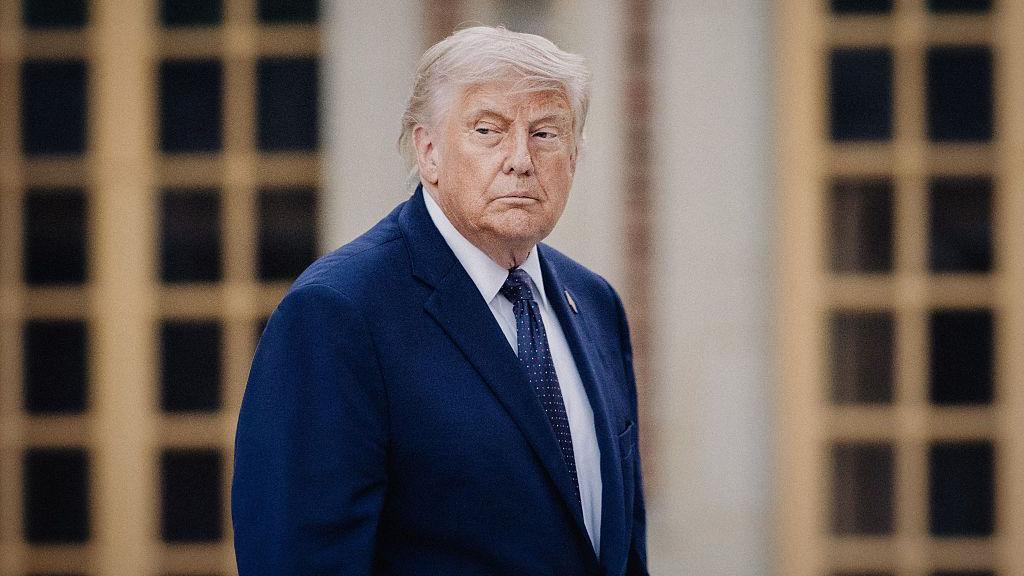
In a 20-minute primetime address to the nation, President Donald Trump provided updates on the U.S.-Iran war, claiming that the strategic objectives were nearing completion. He suggested the conflict would last a few more weeks, emphasizing the need for American support despite waning public approval for the military operation initiated on February 28. Trump framed the war as an investment in the future but avoided addressing key concerns about the timeline and dynamics, particularly regarding Israel's role and the fate of a proposed peace plan with Iran.
Polls indicate growing disapproval of the conflict among U.S. voters, prompting Trump to attempt to justify the war as a temporary measure compared to lengthy past engagements. However, his speech raised more questions than it answered, particularly concerning military strategies and the mission of thousands of troops arriving in the region.
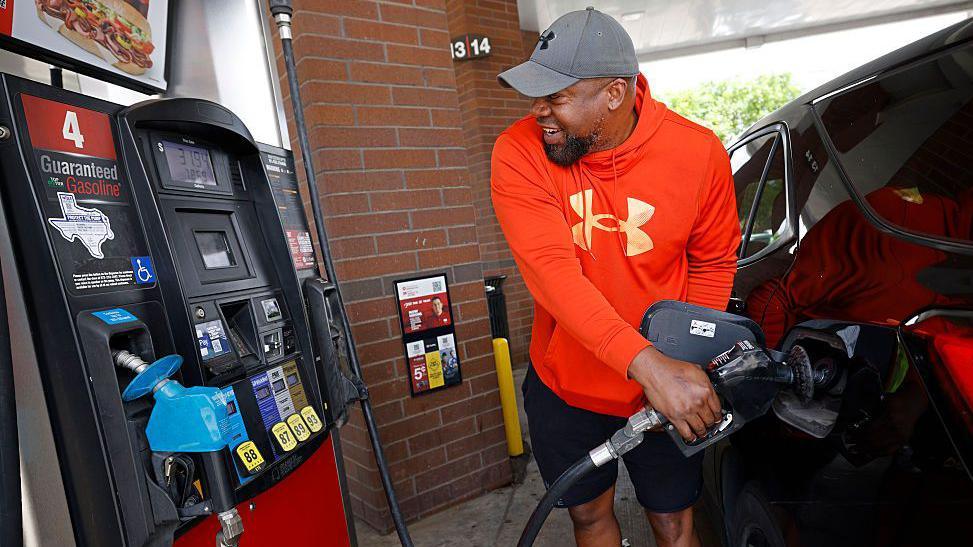
Issues like reopening the vital Strait of Hormuz, where Iran has exerted control, were mentioned but not thoroughly addressed. Trump criticized allies for lacking initiative while suggesting they take action independently to secure the strait. Overall, significant uncertainties remain about U.S. military presence in Iran, the accurate assessment of victory, and the consequences on domestic approval ratings as gas prices surge past $4 nationwide.
Polls indicate growing disapproval of the conflict among U.S. voters, prompting Trump to attempt to justify the war as a temporary measure compared to lengthy past engagements. However, his speech raised more questions than it answered, particularly concerning military strategies and the mission of thousands of troops arriving in the region.
Issues like reopening the vital Strait of Hormuz, where Iran has exerted control, were mentioned but not thoroughly addressed. Trump criticized allies for lacking initiative while suggesting they take action independently to secure the strait. Overall, significant uncertainties remain about U.S. military presence in Iran, the accurate assessment of victory, and the consequences on domestic approval ratings as gas prices surge past $4 nationwide.