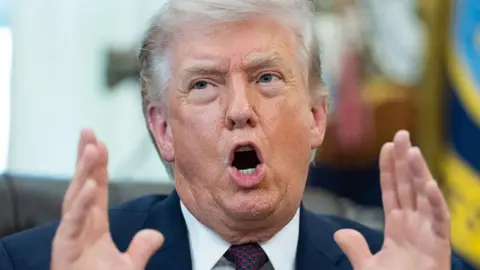
Across the world on Wednesday night, millions of people will tune in to watch Donald Trump deliver a primetime update on the war in Iran. Many will hope for some insight on how the war ends and what might come after.
The Trump administration has signalled there may be no big announcement, but many are wondering if his hastily-arranged remarks will mark the beginning of the end of the conflict or a potentially bloody escalation.
This ambiguity is, at least partly, by design. Trump often changes course or leaves his thinking a mystery to all but a small inner circle of supporters, which he has acknowledged leaves friend and foe alike wondering about his next move.
The president knows that the address comes at a critical time in his presidency and amid mounting domestic pressure to find a way out of the conflict. Poll after poll has shown that Americans have little appetite for a protracted conflict in Iran, particularly if it involves the prospect of US soldiers on Iranian soil.
A Reuters poll released recently found that two-thirds of Americans believe the US should work to swiftly wrap up its involvement in the war, even if the administration's stated military objectives are not fully achieved.
Closer to home, many Americans are increasingly wary of higher prices at the petrol pump, which this week crossed the average of $4 a gallon for the first time in years. For a president who, pre-war, often pointed to lower petrol prices as a mark of success, this trend represents a challenge.
Geostrategy expert Imran Bayoumi noted the "deep domestic unpopularity" of the war combined with economic fallout poses problems ahead of midterm elections. The US president will likely address how the conflict will conclude, with shifting narratives ranging from unconditional surrender demands to potential negotiated agreements.
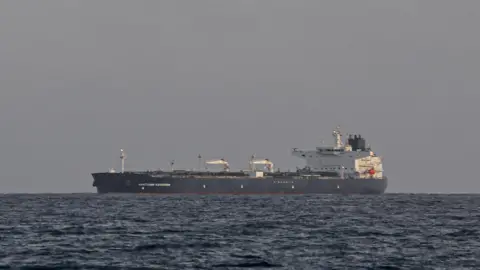
Just the day before, Trump indicated the war could end in two to three weeks, reiterating that the US will not consider a ceasefire until the Strait of Hormuz is open. As discussions revolve around military successes, it's unclear what a US exit will entail and what constitutes victory in this context.
Despite tactical successes in degrading Iran's military capabilities, Trump's assertions that the war is winding down leaves narrow possibilities for future military actions. What he says tonight will be closely scrutinized by international observers, with doubts lingering over whether it reflects genuine intentions or strategic maneuvers.
The Trump administration has signalled there may be no big announcement, but many are wondering if his hastily-arranged remarks will mark the beginning of the end of the conflict or a potentially bloody escalation.
This ambiguity is, at least partly, by design. Trump often changes course or leaves his thinking a mystery to all but a small inner circle of supporters, which he has acknowledged leaves friend and foe alike wondering about his next move.
The president knows that the address comes at a critical time in his presidency and amid mounting domestic pressure to find a way out of the conflict. Poll after poll has shown that Americans have little appetite for a protracted conflict in Iran, particularly if it involves the prospect of US soldiers on Iranian soil.
A Reuters poll released recently found that two-thirds of Americans believe the US should work to swiftly wrap up its involvement in the war, even if the administration's stated military objectives are not fully achieved.
Closer to home, many Americans are increasingly wary of higher prices at the petrol pump, which this week crossed the average of $4 a gallon for the first time in years. For a president who, pre-war, often pointed to lower petrol prices as a mark of success, this trend represents a challenge.
Geostrategy expert Imran Bayoumi noted the "deep domestic unpopularity" of the war combined with economic fallout poses problems ahead of midterm elections. The US president will likely address how the conflict will conclude, with shifting narratives ranging from unconditional surrender demands to potential negotiated agreements.
Just the day before, Trump indicated the war could end in two to three weeks, reiterating that the US will not consider a ceasefire until the Strait of Hormuz is open. As discussions revolve around military successes, it's unclear what a US exit will entail and what constitutes victory in this context.
Despite tactical successes in degrading Iran's military capabilities, Trump's assertions that the war is winding down leaves narrow possibilities for future military actions. What he says tonight will be closely scrutinized by international observers, with doubts lingering over whether it reflects genuine intentions or strategic maneuvers.