In brief
Gas prices in the U.S. have reached their highest levels since 2022, creating a challenging environment for drivers. A combination of factors, including rising crude oil prices and market volatility exacerbated by the Iran war, has forced retailers to adjust prices frequently. Experts indicate that while prices fluctuate rapidly, the gains do not always benefit gas station owners as margins tighten. Many retailers face squeezed profits while serving increasingly frustrated consumers.
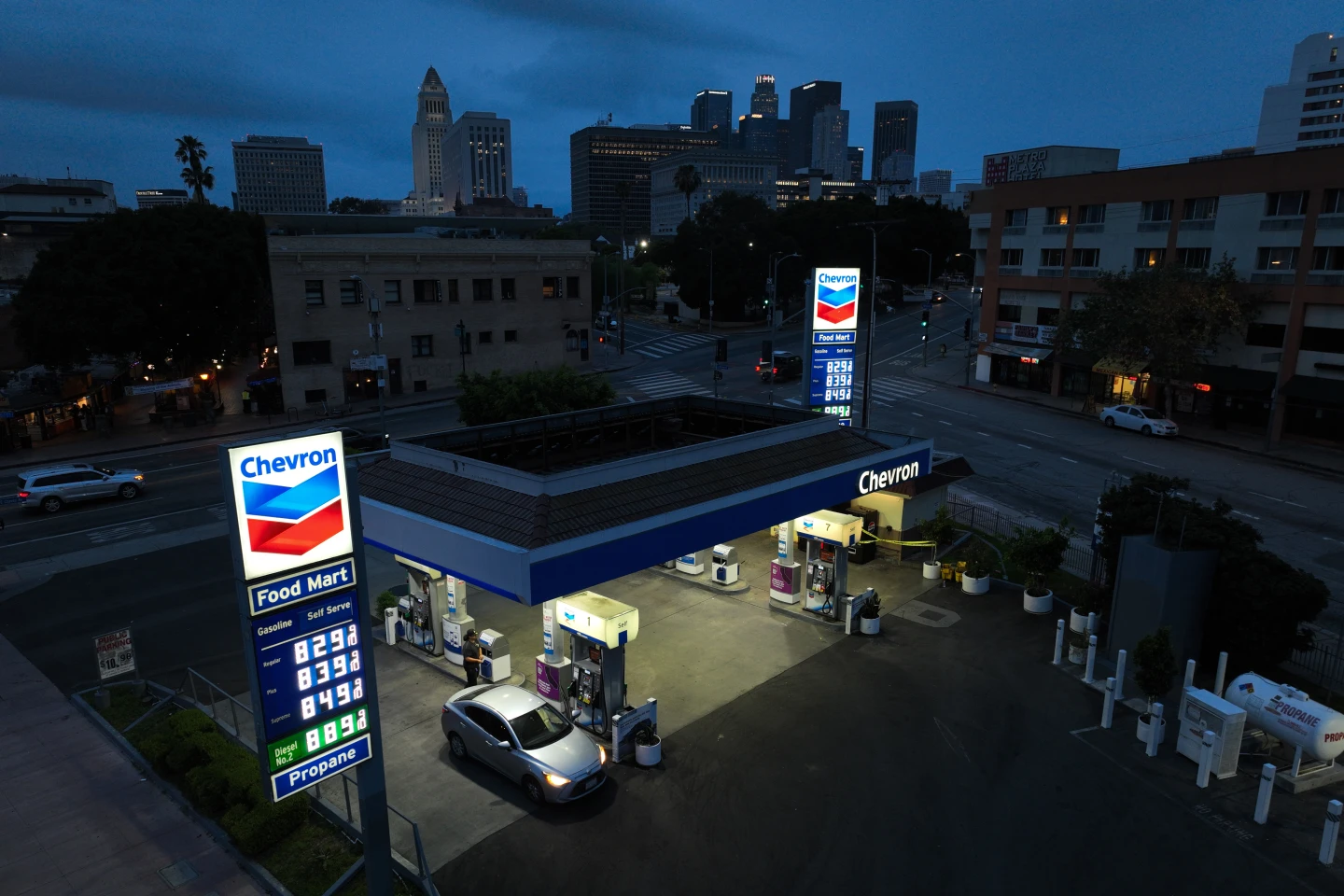
DES MOINES, Iowa (AP) — The near-daily changes in U.S. gas prices have become a source of frustration for drivers as they navigate fuel costs that have reached the highest levels since 2022. With the ongoing conflict in Iran impacting global fuel prices, the average cost for a gallon of gas in the U.S. surpassed $4 on Tuesday, according to AAA.
Price fluctuations can occur daily and even from one gas station to the next, leaving drivers to strategize the best time to refuel or where to find cheaper options. Experts note that the prices are primarily influenced by the volatile oil market rather than individual retailers, who often do not see significant benefits from the rising costs.
Lonnie McQuirter, director of operations at a Minneapolis gas station, highlighted the high pressure on margins, stating that he is adjusting prices based on the current cost of fuel rather than profit motivation. He and his staff feel the emotional toll of consumers cutting back on spending to manage their budgets.
Factors Influencing Gas Prices
About half of the cost at the pump goes directly to crude oil, while refiners take an additional 20%. Rising crude oil prices are a direct consequence of the Iran war and shipping disruptions in key oil routes. Taxation accounts for another 20%, while around 10% is allocated to gas retailers who must also cover operational costs.
Retailers typically keep around 15 cents per gallon after expenses, reflecting the strain of maintaining profit margins amidst rising costs. Patrick De Haan, an analyst at GasBuddy, pointed out that gas station owners have limited control over prices and are often reacting to the market.
Why Price Discrepancies Exist
The price drivers pay for gasoline can vary significantly across states and stations, primarily due to regional taxes and location proximity to refineries. Stations may also compete for customers by pricing strategically based on their surrounding competitors.
Market Implications
Despite selling millions of gallons daily, retailers seldom see big gains in profit when prices climb, as their diminishing margins make it difficult to pass costs up the supply chain rapidly. The persistent concern is that a spike in gas prices could diminish overall consumer demand, leading to a less favorable economic outlook for the entire industry.