US urges European nations to share diesel reserves
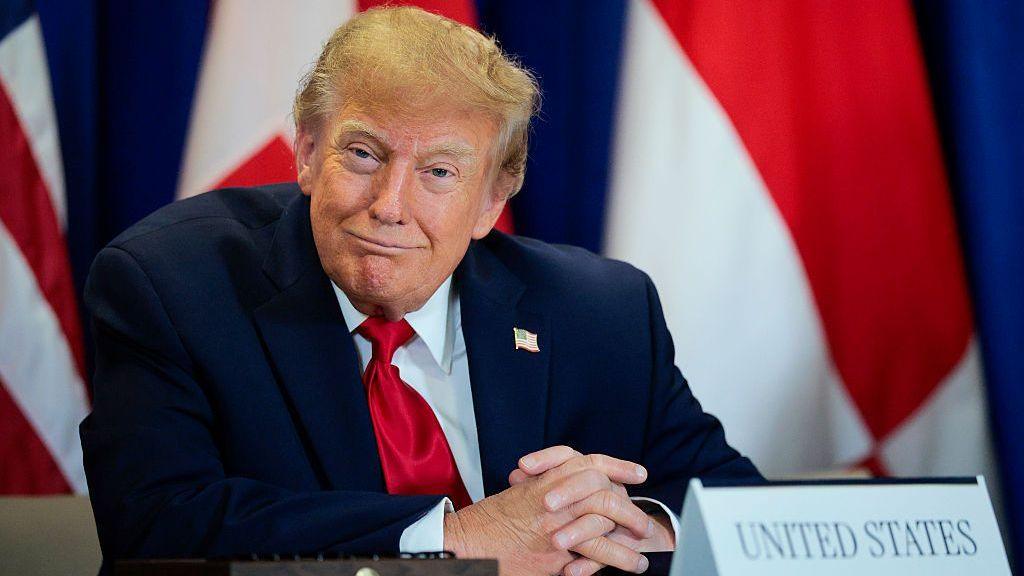
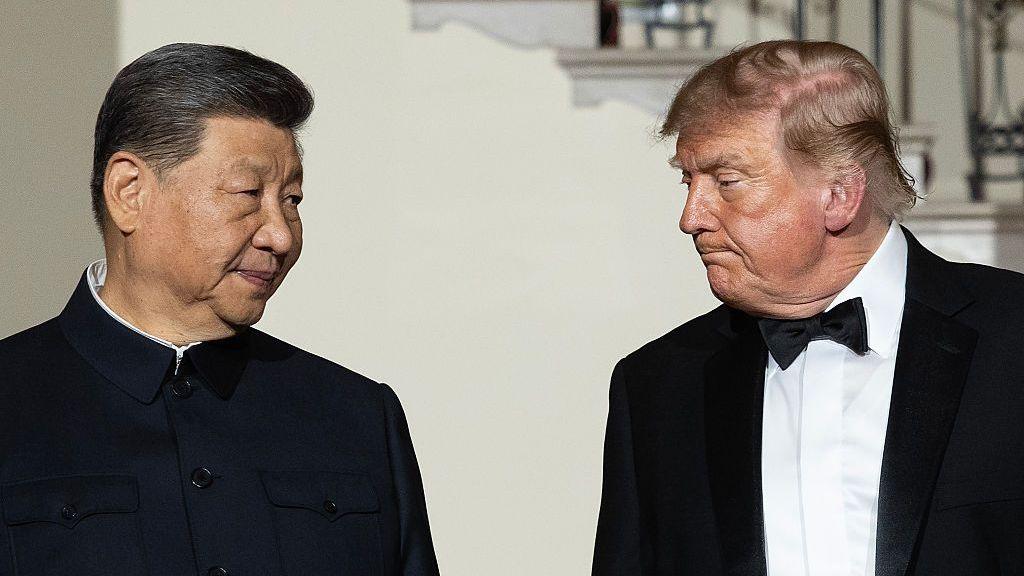
President Donald Trump has said he may ask European countries to release some of their diesel reserves as he considers a ban on U.S. exports of the fuel amid an ongoing global shortage. Treasury Secretary Scott Bessent added that nations should immediately prepare to do so, arguing that “American farmers, truckers and businesses should not be left carrying the burden” as diesel prices climb.
The U.S. has already threatened to limit diesel exports after soaring costs linked to the war in Iran. The issue has become a key point of debate among voters ahead of the November 2026 mid‑term elections, when control of Congress hangs in the balance.
Thursday, Britain met with European partners to discuss the potential release of diesel reserves if a U.S. ban were imposed. The UK’s Energy Minister Martin McCluskey called the talks “prudent” and announced that the government is preparing a coordinated response with the European Commission.
U.S. firms export between 1.2 and 1.5 million barrels of diesel a day, making Washington a vital supplier worldwide. Experts warn that cutting this supply could push international prices even higher, especially as Russia’s own export ban limits additional sources.
Trump said the decision to ban exports is being “thought about very seriously” and that any ban would be announced over the weekend. He added that European partners should accelerate deliveries that are already on the books and make more supplies available immediately to offset the disruption.
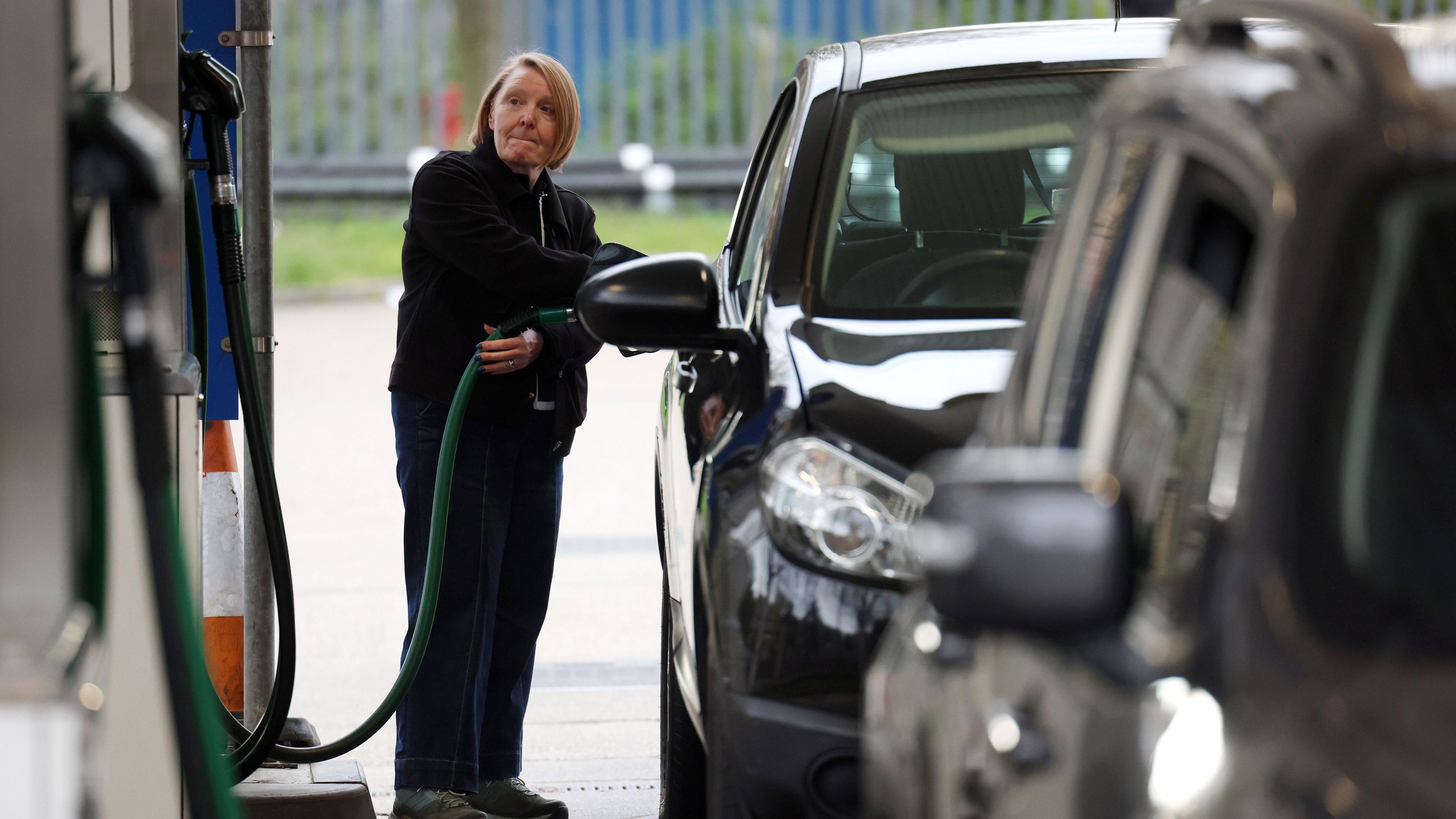
The dispute comes as diesel prices in the UK have reached record levels of nearly 200p per litre, according to the RAC. High gasoline and diesel prices, coupled with the closure of the Strait of Hormuz and Russia’s export restrictions, have crowded the global fuel market.
The UK is heavily reliant on imports: its four refineries produce enough petrol but not enough diesel to meet national demand. According to the Department for Transport, there were 15.1 million diesel vehicles on the road at the end of June – a line 0.6 million lower than a year earlier.
In addition to supply concerns, the timing of the potential ban could affect campaign rhetoric, with Republicans campaigning for a majority in Washington that they believe will keep the U.S. economy robust. Democrats argue that the ban could hurt American industry and consumers alike.
European officials have reported that calls and meetings are ongoing at the highest levels, but no final decision has been announced. The European Commission has stated that it remains prepared to coordinate with U.S. partners and the UK fuel industry in case the ban is applied.
Official government statements reassure that there is no immediate cause for concern about diesel shortages. However, analysts warn that any U.S. export curbs could inflate prices elsewhere while domestic fuel shortages become more acute.