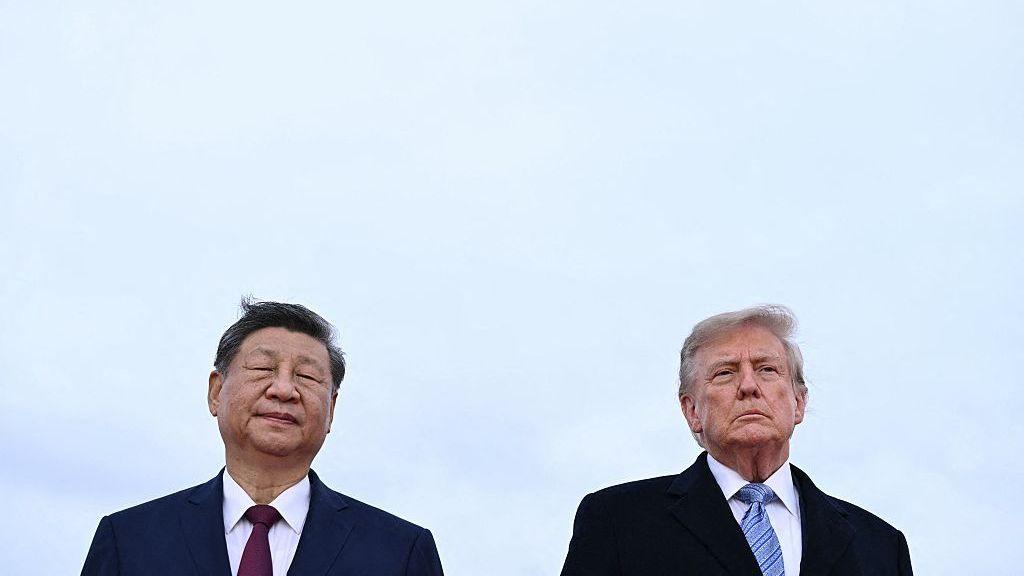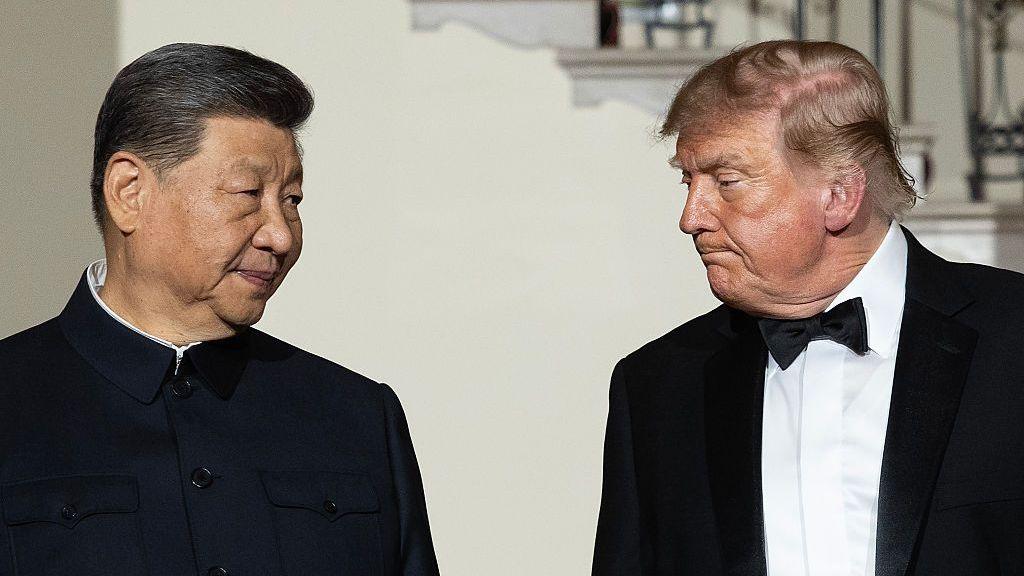
The 2026 summit between former U.S. President Donald Trump and Chinese President Xi Jinping delivered a handful of concrete but limited outcomes, leaving many of the pressing issues between the two nations unresolved.
AI Dialogue and the New Safety Net
China and the United States agreed to establish a new AI dialogue, with a follow‑up meeting scheduled for the end of November. The two sides also promised a dedicated communication channel for AI‑related incidents, aimed at preventing misunderstandings from escalating into broader conflict.
Trade Truce – A Two‑Month Breathing Space
Both leaders extended a short‑term trade truce until 10 January, granting Beijing a modest reprieve of lower tariffs on $30 bn of goods destined for the U.S. In return, the United States pledged to purchase at least 10 million metric tons of coal from China in 2027 and 2028. The deal, however, left out critical topics such as rare‑earth exports and semiconductor restrictions.
Silence on Taiwan – A Sign of Deferred Tension
While Chinese officials highlighted the importance of Taiwan in their notes, the U.S. message remained deliberately vague. Trump acknowledged the issue but chose not to elaborate, stating that discussions were "moving along" and that the U.S. would not confront Beijing directly on the island’s status.
Opening Investment Doors – A Controlled Tentative Step
China said it would allow more foreign financial firms, including those backed by American banks, to apply for business licences and office openings. Nevertheless, China emphasized that all approvals remain subject to its laws and regulations, maintaining control over who can enter the market.
What We Know and What We Don’t
The summit produced an increased volume of dialogue but limited policy shifts. Key topics from AI to Taiwan remain unresolved, underscoring that dialogue is easier than substantive compromise for the two superpowers.