Trump’s $5,000 Promise: Legal Hurdle? Financial Feasibility?
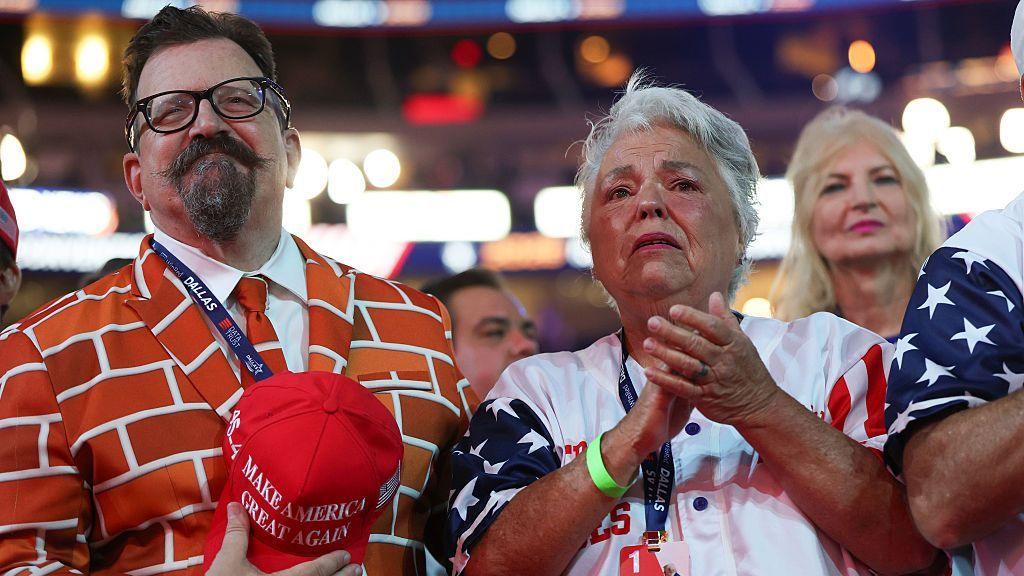
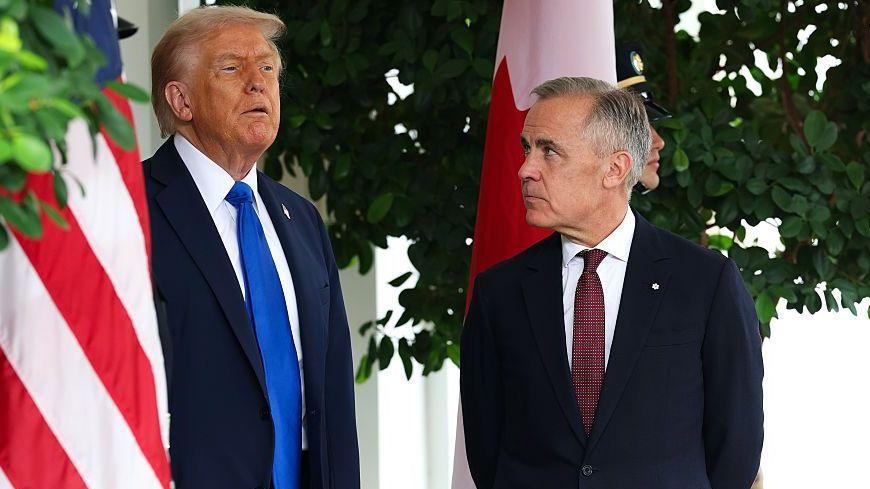
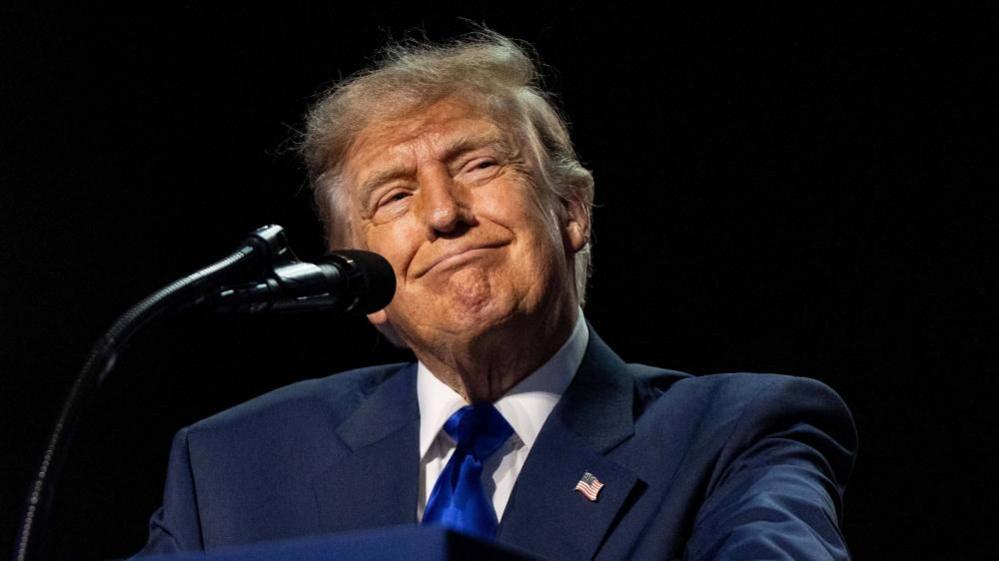
Donald Trump announced at a Republican convention that if his party wins the 2026 midterm elections, every adult American would receive a $5,000 check.
The declaration was met with cheers from supporters but labeled a “empty promise” by Democrats. Trump offered no details on the funding mechanism, while Vice‑President JD Vance suggested tariff revenue might cover the payout and that it would exclude wealthy citizens.
Is the Offer Legal?
Federal law prohibits payments intended to sway voter behaviour. Legal scholars argue the proposal mirrors a campaign pledge to cut taxes rather than act as a bribery scheme, potentially rendering it compliant. Dr. Joan Mahoney, a law lecturer, noted it could be considered a standard political promise, whereas Chatham House’s Laurel Rapp cautioned that the explicit nature of the offer deviates from typical pledges.
How Much Would It Cost?
With about 270 million eligible adults, a $5,000 payment would amount to roughly $1.3 trillion. Trump did not clarify whether he would seek congressional approval or use an executive order. Economist Erica York warned such a sum would exhaust the current deficit‑driven budget, while tariff revenue to date is estimated at $475 billion, far below the required amount.
Historical Precedents
Trump’s earlier cash‑check promises (e.g., $2,000) tied to tariff funds have not been realized. Similar claims have surfaced in past elections, such as a 2021 bid for $2,000 COVID‑stimulus checks tied to Senate races in Georgia, and Elon Musk’s cash incentives for voters during the 2024 presidential campaign.
Strategic Motives?
A former Republican strategist noted that Trump’s promise coincides with the final two months before elections and might be a tactic to shore up congressional support. Chatham House’s Rapp argued the move reflects short‑term calculations amid falling polling numbers.
For more coverage, watch: BBC video on Trump’s pledge.