Trump and Xi Face Off Over Global AI Race
On a quiet afternoon in Beijing, President Donald Trump met with President Xi Jinping amid an escalating spat over artificial intelligence. Trump laced his statements with a striking slogan – “Whoever wins AI wins!” – underscoring the view that a technological edge will decide the world’s future power dynamics.

While Xi's public remarks have been quieter, diplomats suggest China’s policy confirms a similar ambition:
- China seeks to become the leading force in AI, treating it as a motor of national power.
- The country has invested in AI for over a decade, regardless of public rhetoric.
Trump’s optimism hinges on a belief that AI risks can be outweighed by economic gains. He famously dismissed concerns about AI as a “hoax,” and argued that AI should not be stifled on par with the industrial revolution. In contrast, China’s foreign ministry has cautioned against “narratives of threat” and urged that AI be shared for collective benefit.

The two countries differ sharply in investment patterns. American firms – Anthropic, Google, and OpenAI – lead frontier models, buoyed by hefty funding for high‑performance clusters. An August 2025 Stanford AI index report noted China’s DeepSeek model only briefly matched the top US model; as of March 2026 Anthropic’s lead was a little over 2 percent.
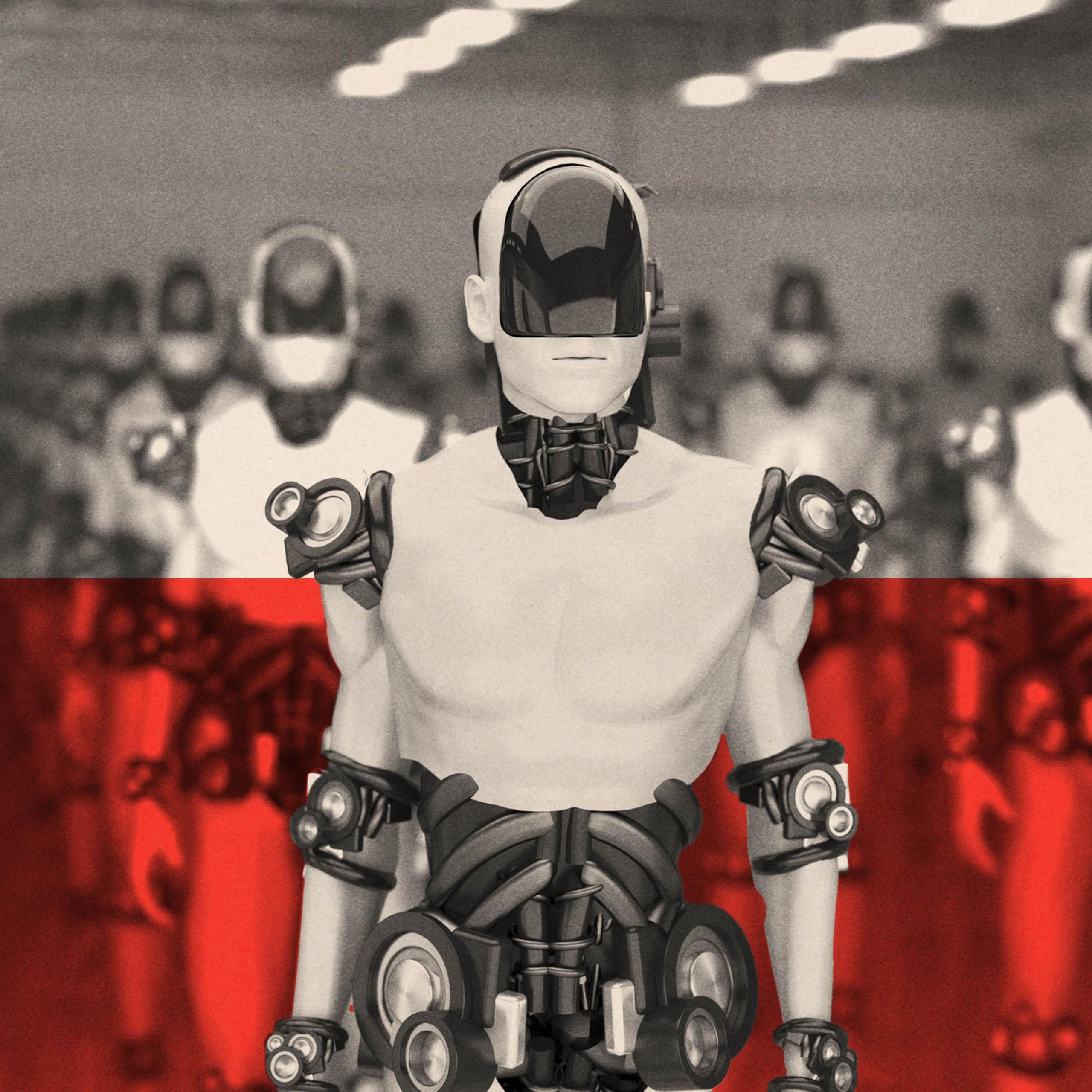
Beyond investment, the source of computational power diverges. China benefits from low‑cost electricity and a robust manufacturing base, key to its robotics dominance. Reports show China runs 70% of the world’s robots and 90% of humanoid shipments. American firms, meanwhile, face import restrictions on advanced microchips, hindering model training.
The U.S. approach to safety has embraced a “high‑IQ” leadership stance, while China emphasizes central coordination and guidelines. Under Xi’s guidance, the government has introduced non‑binding data‑use rules to keep AI under human control.
Will the two superpowers cooperate? Analysts note that cooperation has succeeded in nuclear policy but fails to translate to AI. Trump rejects an industry slowdown as a boon to China, whereas Treasury Secretary Scott Bessent and Vice Premier He Lifeng negotiate a notification mechanism for major AI incidents. The dialogue was seen as a “good start”, yet the risk of a widening “race narrative” remains high.
The summit’s agenda, dominated by AI ambitions, will effectively set the trajectory for the world’s next generation of technologies. As computational resources grow, the global community will stay alert to the balance between technological advantage, ethical oversight, and geopolitical stability.