In brief
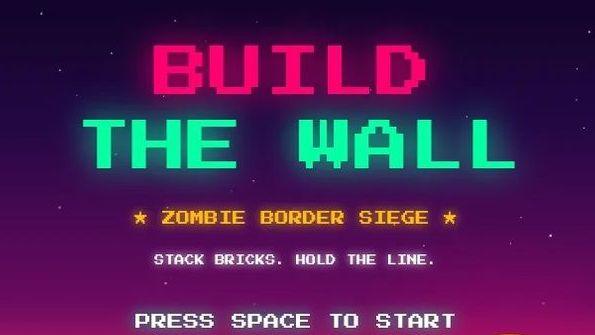
The White House recently removed the Build The Wall minigame from its website after the Tetris Company raised copyright concerns. The game, which had players stacking blocks to build a border wall, was one of five arcade games presented on the site. The Tetris Company stated it was not involved in creating the game and stressed its commitment to copyright enforcement. While the White House did not offer a reason for the withdrawal, other similar games remain online. The incident reflects a broader trend of the Trump administration leveraging video‑game culture in political messaging.
The White House removed a Tetris‑style minigame called Build The Wall after the Tetris Company claimed copyright infringement.
In the game players stack blocks to build a wall that protects the border, and it was one of five arcade games on the White House site.
On September 4 the official Tetris X account posted a statement saying it was not involved in creating the game and that it takes copyright seriously.
The White House did not give an official reason for pulling the game.
The Tetris Company previously sued others for similar copying, such as the iPhone game Mino in 2012.
Remaining games include Flappy Bill, a Flappy Bird clone featuring a bald eagle that dodges monuments, and Rio Run, a Snake‑style game that patrols a river.
Politicians and commentators have criticized the use of such games, with one senator tweeting mocking the game's reference to border protection.
Video games and the White House
The Trump administration has used video‑game culture in its messaging, including AI‑generated images of the President in game costumes and memes featuring game characters.
These games highlight a broader trend of the White House mixing pop culture with policy messaging.