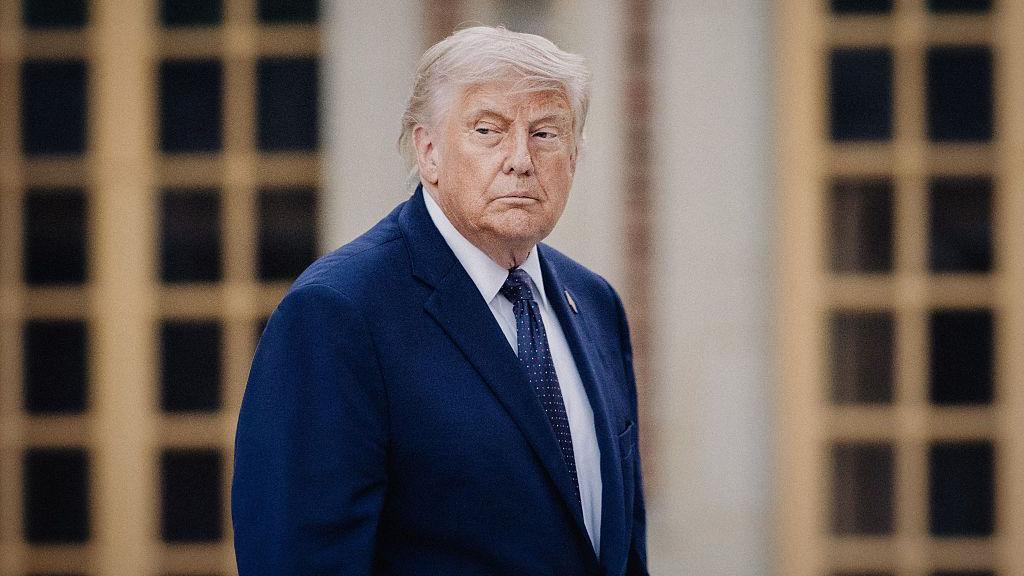
Israeli Prime Minister Benjamin Netanyahu has ordered his government to begin direct talks with Lebanon, he said in a statement on Thursday.
Netanyahu stated the negotiations would examine the disarmament of Hezbollah, the Iran-backed Lebanese militant group, and seek to establish peaceful relations.
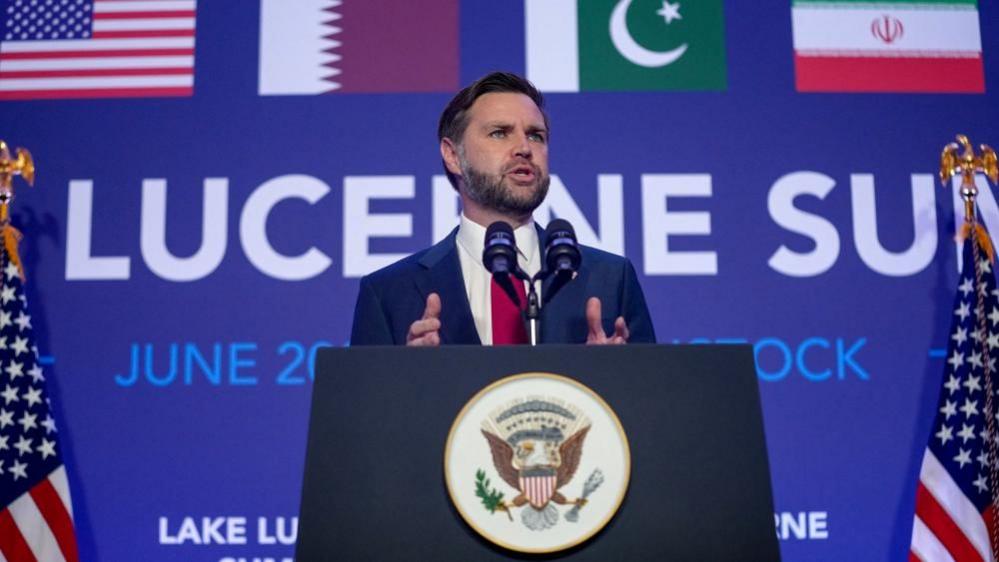
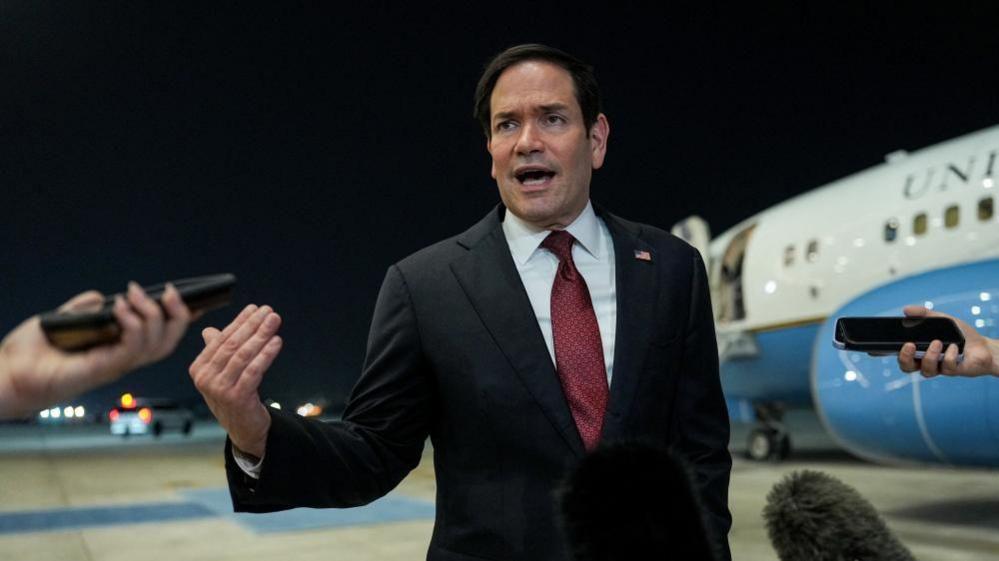
A US State Department official confirmed it would host a meeting next week to discuss ongoing ceasefire negotiations with both Israel and Lebanon.
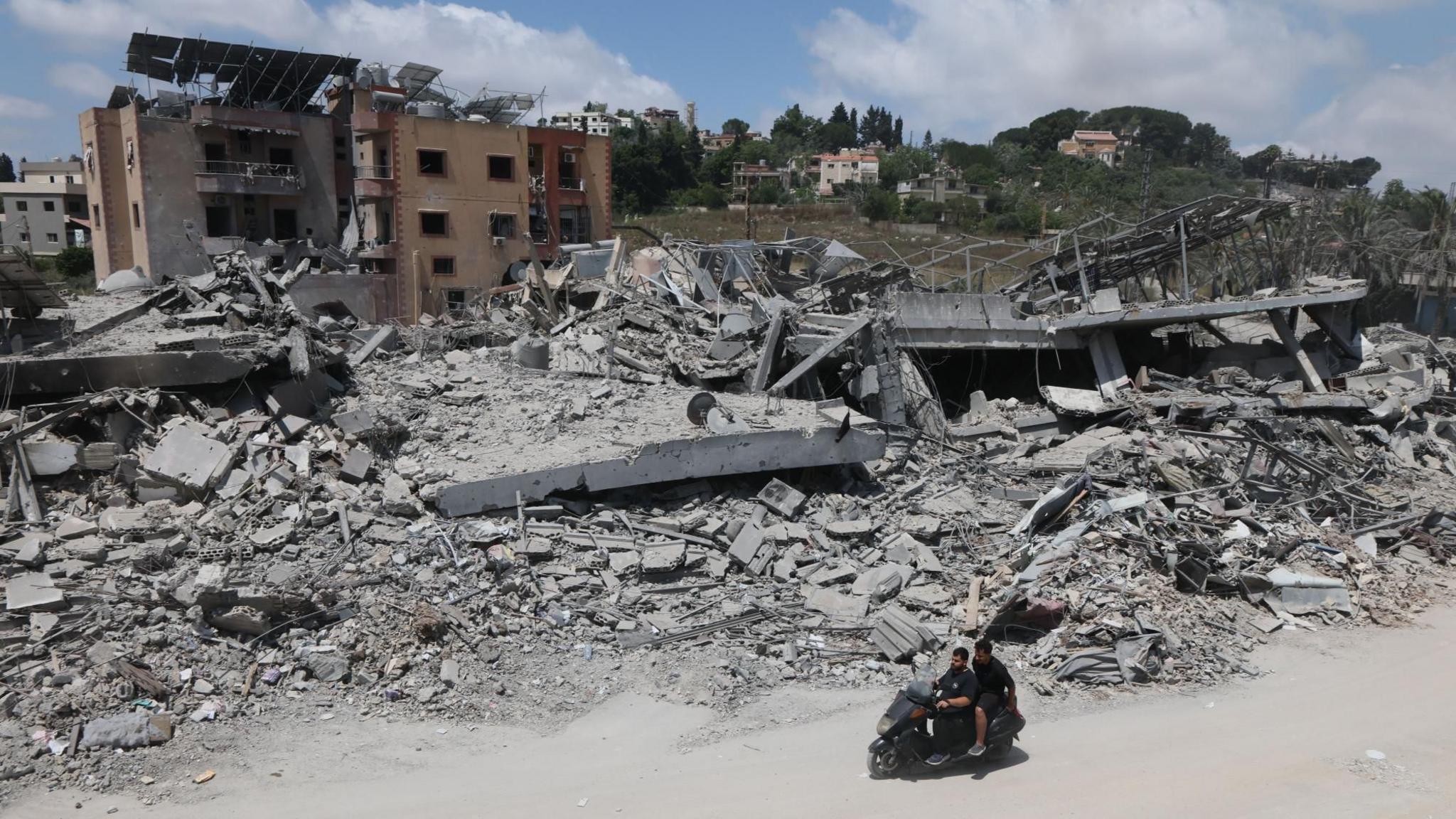
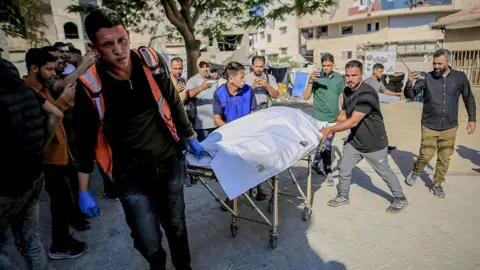
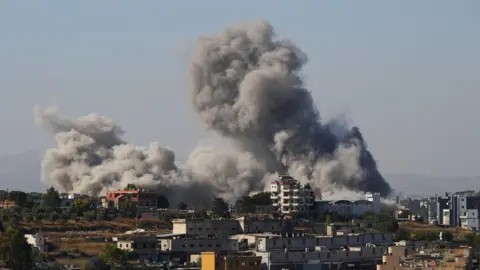
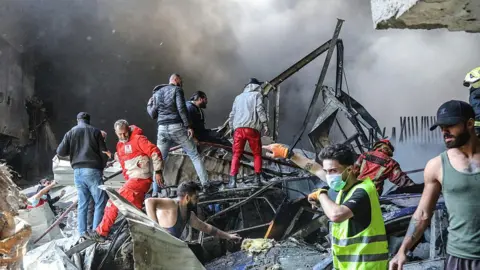
Lebanese officials have called for a ceasefire prior to the negotiations, but Netanyahu addressed residents of northern Israel asserting, There is no ceasefire in Lebanon. His announcement comes after an extensive wave of Israeli airstrikes on Lebanon that reportedly killed 303 individuals, according to the Lebanese health ministry, leaving 1,150 others injured.
The recent escalations threaten to unravel the tenuous ceasefire involving the US, Israel, and Iran that initially created a state of confusion regarding Lebanon's involvement. Iranian officials claim that Israel is violating ceasefire terms while Israel continues its campaign against Hezbollah.
Israel maintains control of significant portions of southern Lebanon, intensifying fears about the possibility of productive negotiations between the two nations without a temporary ceasefire.
With the Lebanese government attempting to impose military restrictions, it remains unclear how much authority they wield over Hezbollah, which operates independently despite having representation in the Lebanese parliament. This complexity poses challenges for any forthcoming negotiations.
Notable developments from the Lebanese cabinet include instructions for security forces to regulate weapon access in Beirut. Responding to these initiatives, Netanyahu's office expressed appreciation for the Lebanese Prime Minister's call to demilitarize the area.
Both sides gear up for negotiations next week, amid a backdrop of heightened violence and loss of life, with over 1,800 casualties reported, including numerous civilians. As bleak prospects continue, many look for clear paths to peace and stability in the region.