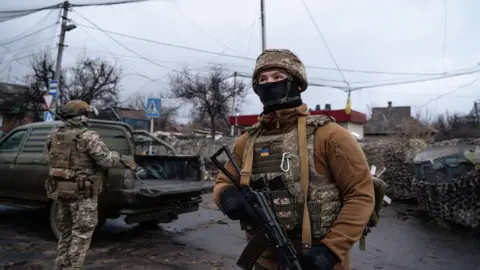
Russia has intensified its strikes on the southern Ukrainian region of Odesa, causing widespread power cuts and threatening the region's maritime infrastructure.
Ukrainian Deputy Prime Minister Oleksiy Kuleba stated that Moscow was carrying out systematic attacks on the region, warning last week that the focus of the war may have shifted towards Odesa.
President Volodymyr Zelensky emphasized that the repeated attacks aimed to block Ukraine's access to maritime logistics. Earlier in December, Russian President Vladimir Putin threatened to sever Ukraine's sea access in retaliation for drone attacks on tankers of Russia's shadow fleet in the Black Sea.
The term shadow fleet refers to numerous tankers employed by Russia to evade Western sanctions imposed following its full-scale invasion of Ukraine in 2022.
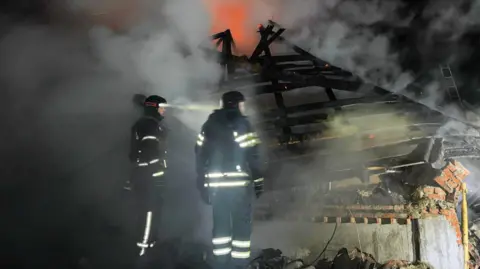
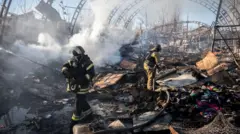
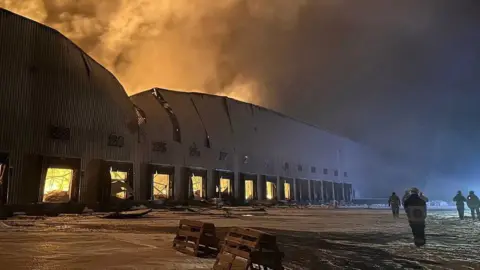
On Sunday night, strikes in the Odesa region cut off electricity for 120,000 people and sparked a fire at a major port, destroying dozens of containers filled with flour and vegetable oil.
This attack was the latest in a series of hundreds that have disrupted power supplies in the region for days, causing several casualties. A ballistic missile strike on the Pivdenniy port last week killed eight people and injured at least 30. Another attack earlier that week resulted in the death of a woman traveling with her three children and temporarily cut off the Odesa region's only bridge connecting Ukraine and Moldova.
Zelensky indicated that a new commander for the air force in the region would be appointed soon following the dismissal of Dmytro Karpenko.
The Odesa port has been crucial for Ukraine's economy, becoming increasingly important as other ports in the Zaporizhzhia, Kherson, and Mykolayiv regions remain inaccessible due to Russian occupation.
Despite ongoing conflict, Ukraine continues to stand as one of the world's leading exporters of wheat and corn, with Odesa serving as the starting point for a critical corridor that allows grain exports out of the country.
In recent comments, Zelensky accused Russia of sowing chaos in Odesa, stressing that without international pressure on Moscow, aggressive actions will persist. His remarks came as U.S.-led diplomatic efforts concluded in Miami, with talks yielding optimistic statements but no substantial progress toward ending the ongoing war.
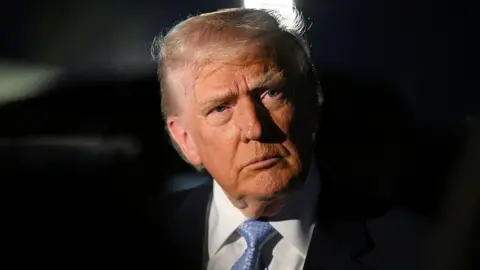
U.S. President Donald Trump's special envoy, Steve Witkoff, stated that discussions with Ukraine's representative Rustem Umerov were focused on aligning positions based on a proposed 20-point peace plan from Ukraine.
Meanwhile, Russian Deputy Foreign Minister Sergei Ryabkov criticized EU nations, claiming they aspire to derail potential agreements between Russia and the U.S. and prevent healthier relations between the countries.
Ryabkov reiterated that Russia had no intention of attacking the EU or NATO, echoing earlier assurances from Putin.