In brief
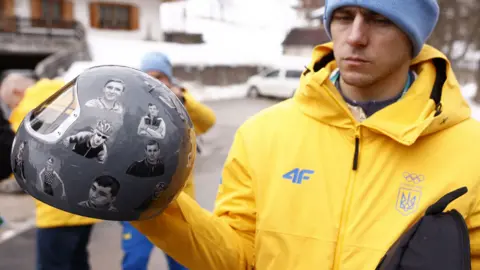
Vladyslav Heraskevych has been disqualified from the Winter Olympics after refusing to remove his helmet that honors Ukrainian athletes killed in the ongoing war with Russia. The International Olympic Committee upheld this decision, leading to significant controversy as the helmet features over 20 names of athletes and friends who have lost their lives since the war escalated in 2022. Heraskevych's stand highlights the deep emotional impacts of the ongoing conflict on sporting events and athletes' decisions.
Ukrainian skeleton slider Vladyslav Heraskevych's disqualification from the Winter Olympics over his helmet depicting fellow athletes killed since Russia's full-scale invasion is the Games' biggest controversy so far.
Heraskevych was barred from the men's skeleton in Milan-Cortina earlier this week after he refused to stop wearing it and on Friday his appeal was denied.
He has said those featured on his helmet include teenage weightlifter Alina Perehudova, boxer Pavlo Ishchenko, and ice hockey player Oleksiy Lohinov, adding that some of them were his friends.
More than 20 athletes appear on the helmet in total.
The decision by the International Olympic Committee to disallow the helmet has drawn widespread criticism and brought attention to the emotional toll of the war on Ukrainian athletes. The helmet symbolizes not only personal loss but also the broader impact of the ongoing conflict on Ukraine's sports community.
As the situation unfolds, many are left questioning the boundaries between sports, patriotism, and remembrance, and whether there is space for such tributes in highly regulated sporting events like the Olympics.