In brief
The upcoming Munich Security Conference reflects on a year since US Vice President JD Vance's sharp criticisms of Europe. The Trump administration's foreign policy, characterized by punitive tariffs, strained alliances, and territorial ambitions, casts a long shadow over European security as the US calls for greater European self-reliance in defense amidst an unstable geopolitical landscape.
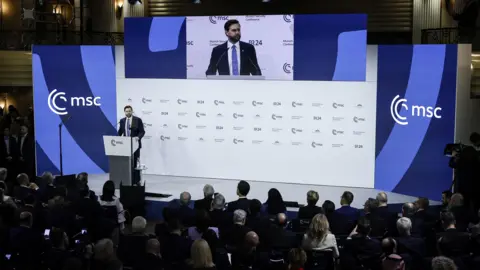
As the Munich Security Conference approaches, it marks one year since US Vice President JD Vance delivered a bombshell speech criticizing Europe's migration policies and warning of internal threats. His remarks left the audience stunned and have since reflected broader shifts in US foreign policy under the Trump administration.
The past year has seen dramatic changes in the global order, as the Trump White House imposed tariffs on allies and foes alike and called for an 'America First' approach that altered the dynamics of international relations. Tensions around Ukraine's safety, coupled with secrecy around the US's military ambitions, have heightened anxieties across Europe.
This year’s conference, attended by US Secretary of State Marco Rubio and over 50 global leaders, highlights growing concerns about Europe's security amidst calls from the US for Europe to assume more responsibility for its defense. The latest US National Security Strategy emphasizes self-reliance, raising questions about Washington's commitment to traditional allies.
One concerning aspect of the current geopolitical climate is the lingering tension surrounding Greenland, with Trump suggesting potential territorial claims amidst threats to US-European ties. Denmark swiftly rejected these notions, warning that such actions could jeopardize NATO's foundational agreements.
Despite some officials asserting the alliance is not broken, many European leaders feel the impacts of a shifting US stance, particularly given Trump's relationships with Russia. Analysts suggest this shift indicates a fundamental break from the post-WW2 strategies that prioritized multilateral cooperation.
The upcoming conference will likely address these concerns head-on, providing a platform to reconcile differing perceptions of security and the future of the transatlantic partnership, albeit with the reality of differing ambitions.