Helicopters lift trekkers as landslides claim dozens in Nepal
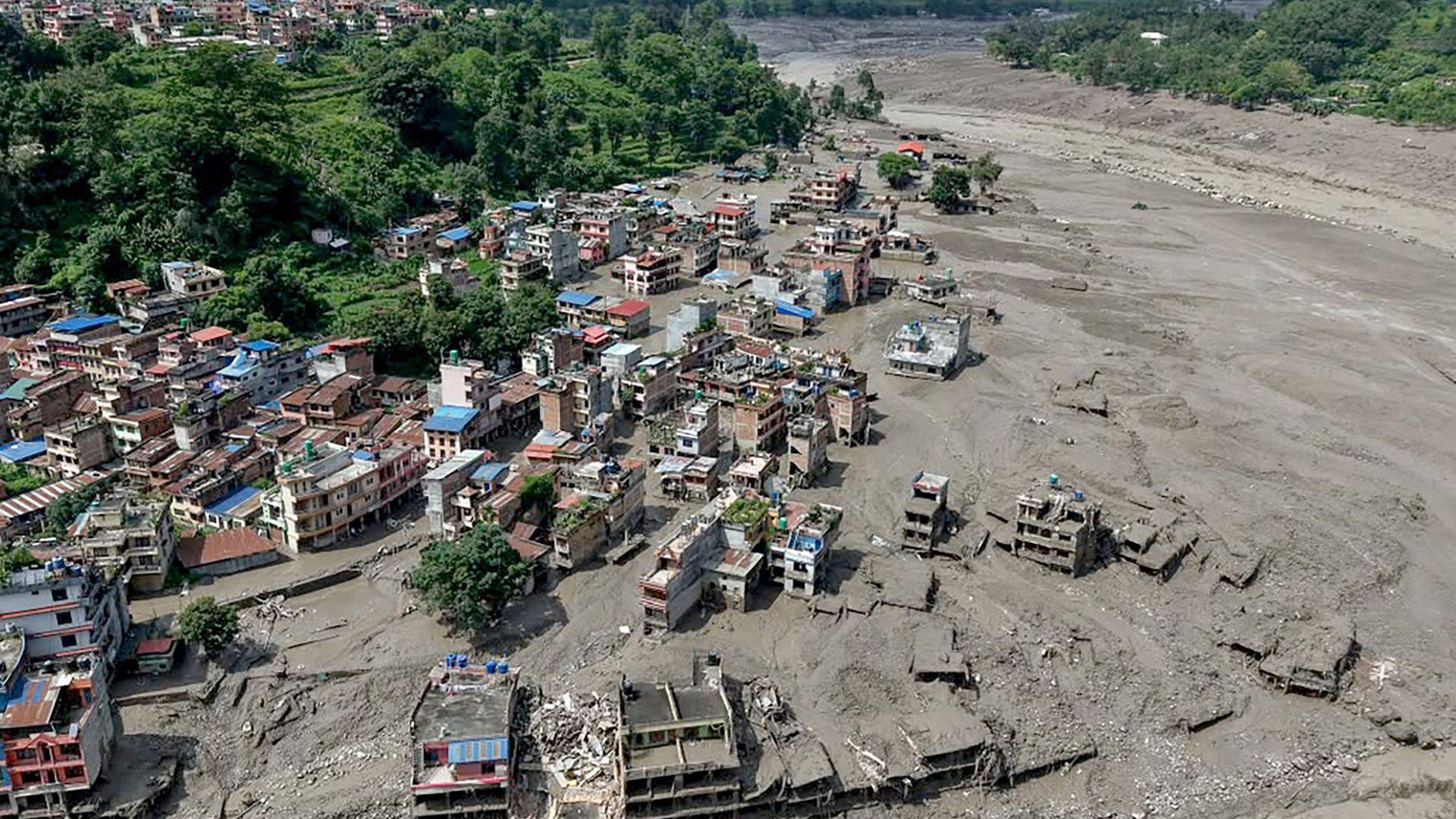
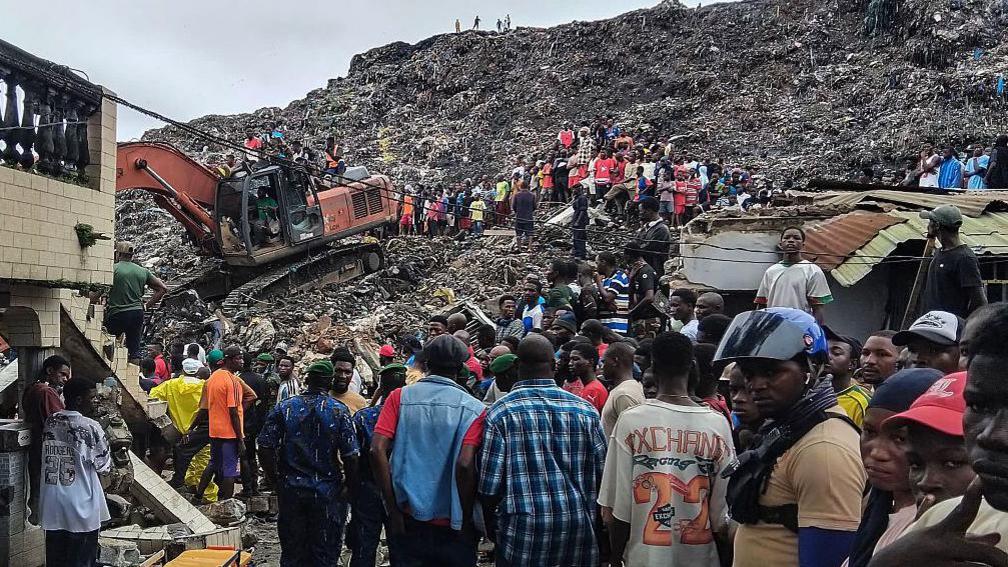
Another wave of landslides and heavy rain, following the August floods that left 1,400 dead, has killed roughly 30 people across Nepal, authorities report. The disaster management agency says more than 1,900 families have been hit, with over 240 homes damaged or destroyed.
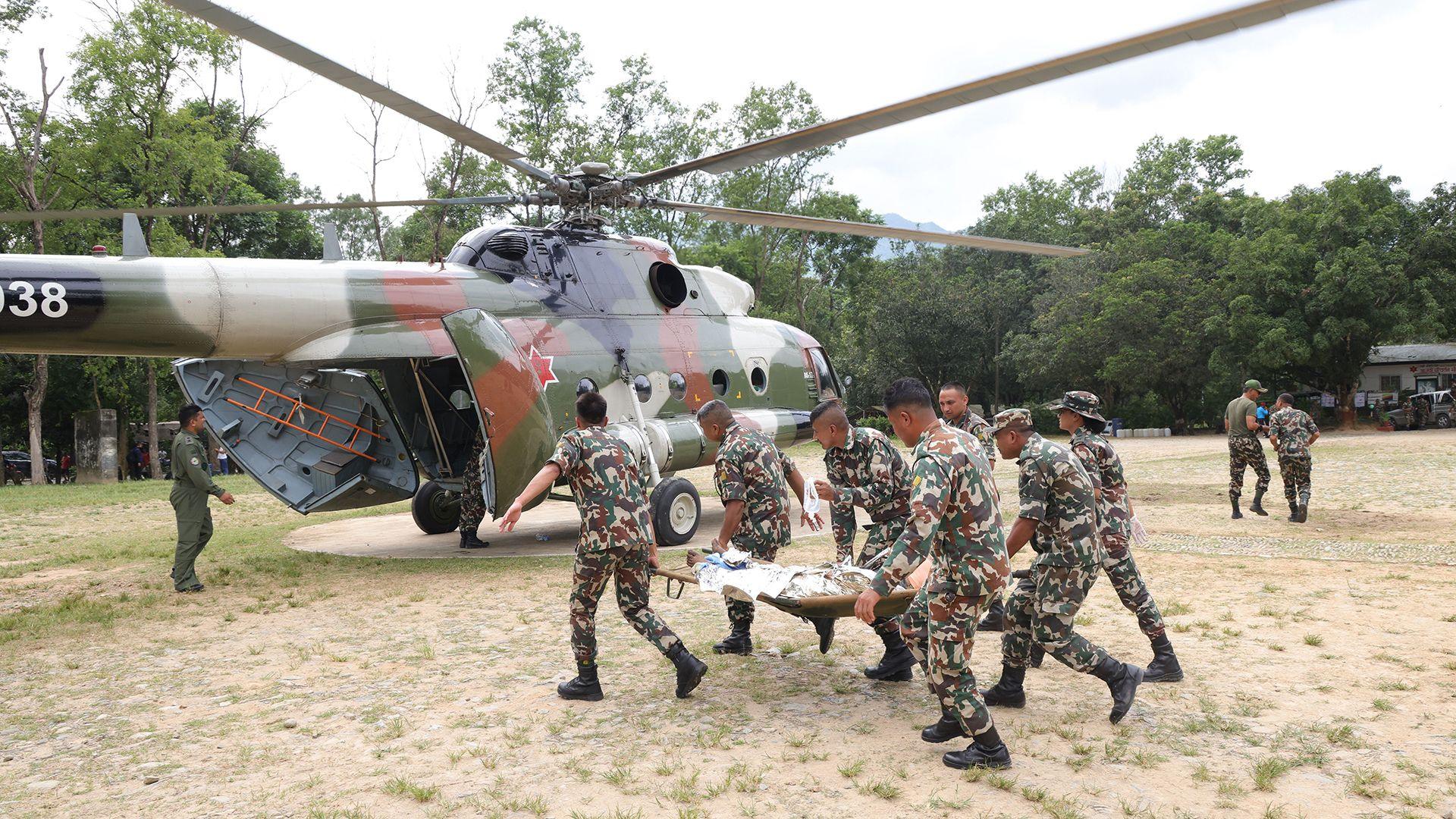
Travellers on the world‑famous Annapurna Circuit have been forced to terminate their treks early. Some hikers, who normally spend up to three weeks crossing Manang and Mustang, are now being air‑lifted to lower altitudes. “We used to live in a hut, but now there is nothing,” says Buti Tamang, a resident of Battar. “We have lost so many of our relatives.”
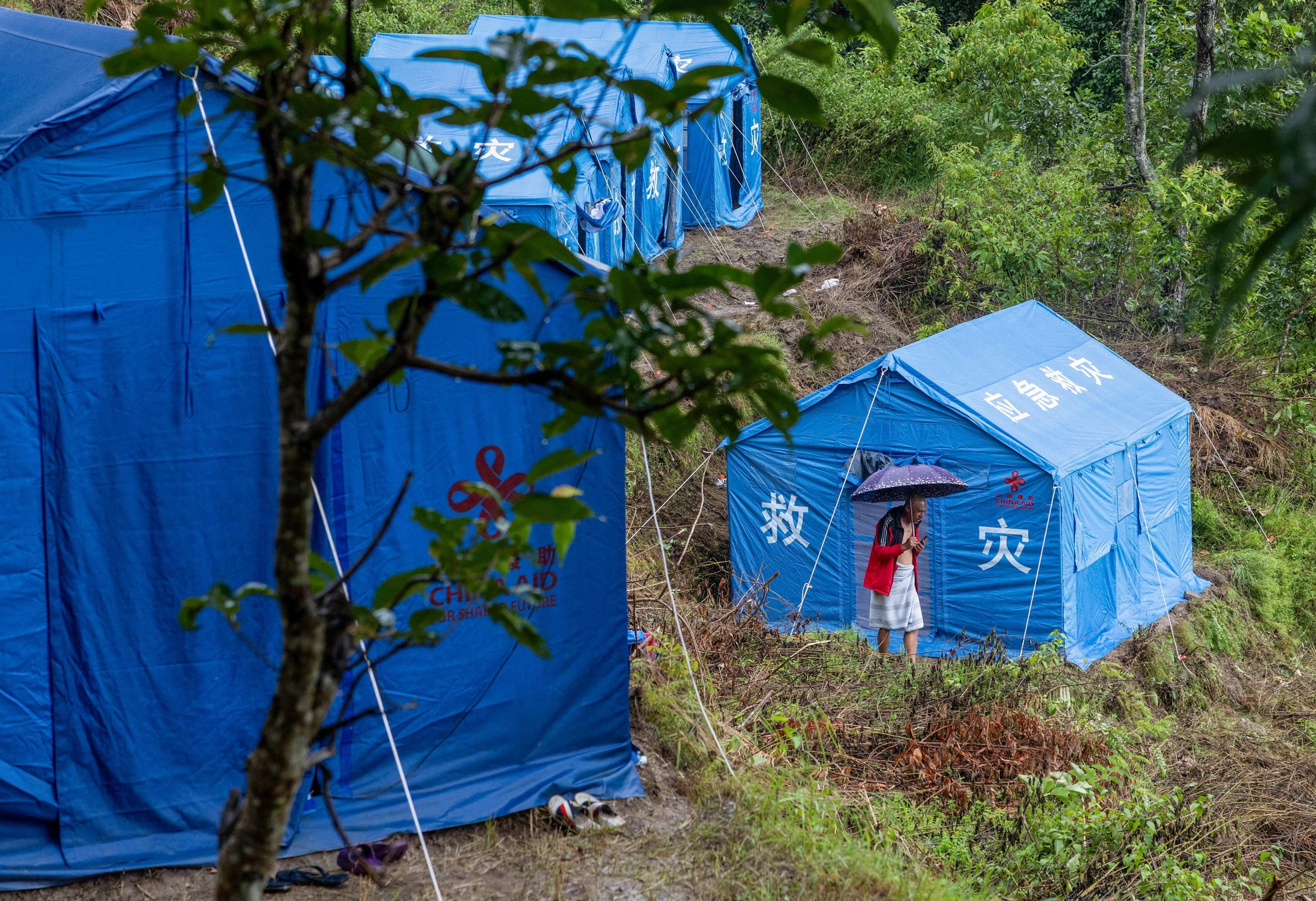
In the same region, Ramesh Ghale explains the day‑to‑day misery: “The tent is leaking, the rain keeps pouring in. We have nowhere to go.”
Foreign trekkers have also been caught in the chaos. 21‑year‑old Jake Stacy from Suffolk was stranded at Yak Kharka after heavy snowfall forced him and his guide to abandon the Thorang La pass. He describes “steep, muddy paths, rivers below, and the constant threat of a landslide.” Several of the 700 trekkers waiting in Pokhara for the circuit’s next season have been turned back, with some stranded overnight in the jungle.
Australian Andrew Graham recounts crossing more than 15 landslides on the way back from Manang, noting that the risks have risen after the floods. In Chame village, a massive slide has blocked a river, creating a temporary lake that has flooded houses and a key bridge. Local officials have struggled to release the water using excavators for days.
Trekking guide Tse Ring Doma describes the mental toll: “Even the sound of thunder sends us running, fearing it may herald another disaster.” Norwegian client Ellen Wahlström remarks that while visitors may lose some gear, “locals risk losing houses and land.” She adds that authorities have cleared many slides surprisingly quickly.
In Manang district, the chief officer Mukti Prasad Khanal reports no fatalities among trekkers but four bodies have been recovered and 12 people remain missing after an avalanche near Himlung Peak, close to Tibet. The Annapurna Conservation Area Project warns that displaced trekkers are held in Pokhara, with Indian pilgrims from Muktinath advised to fly instead of drive following a road cut.
The devastation extends beyond the trekking trail: several bridges have been swept away, communication has fallen, and the old mountain routes are in risk of collapse. Rescue teams work tirelessly to carve new paths and reopen the circuit for future hikers.

The landslides underscore the risks for trekkers and locals alike, as climate‑driven weather extremes increasingly threaten the fragile Himalayan landscape.