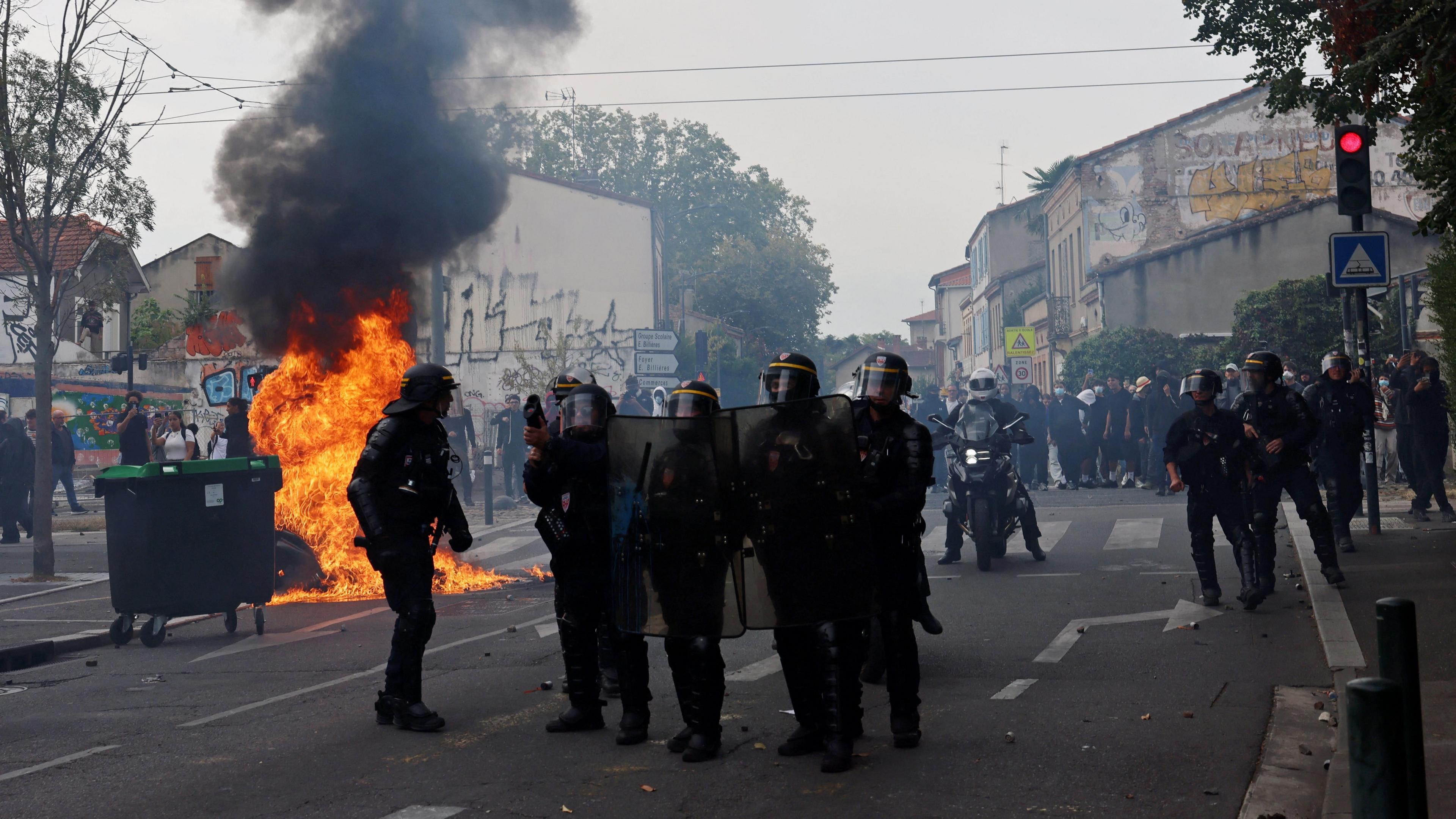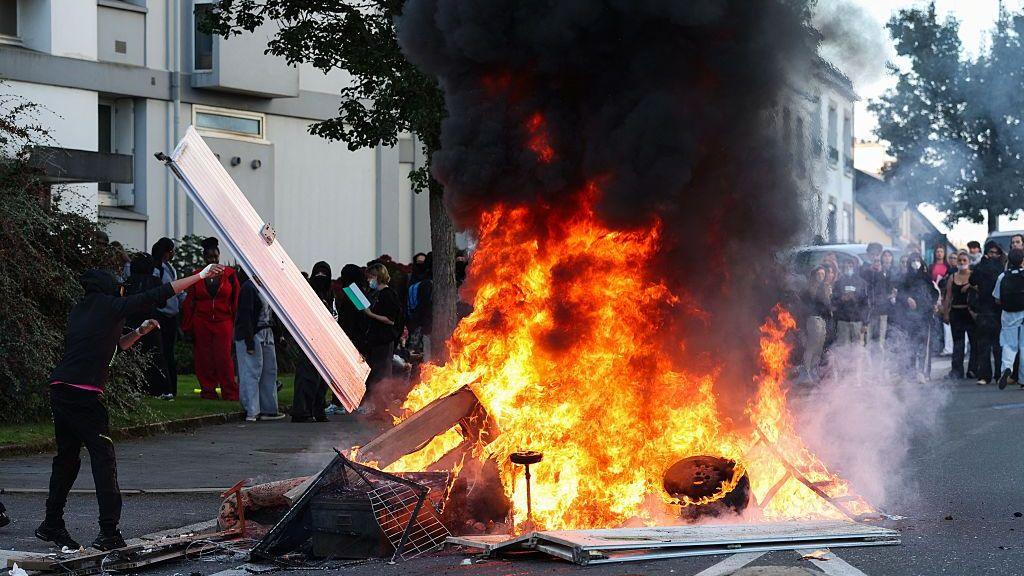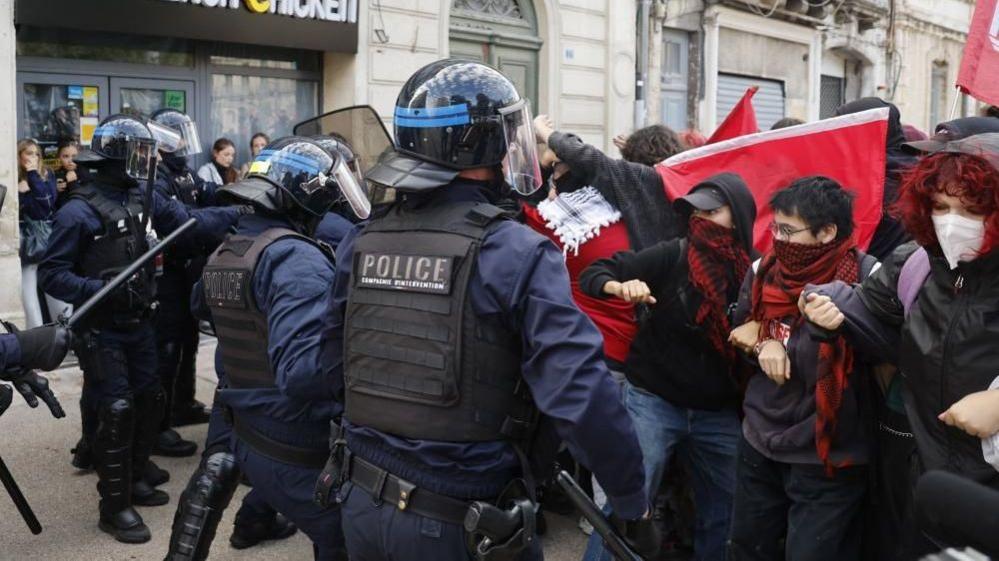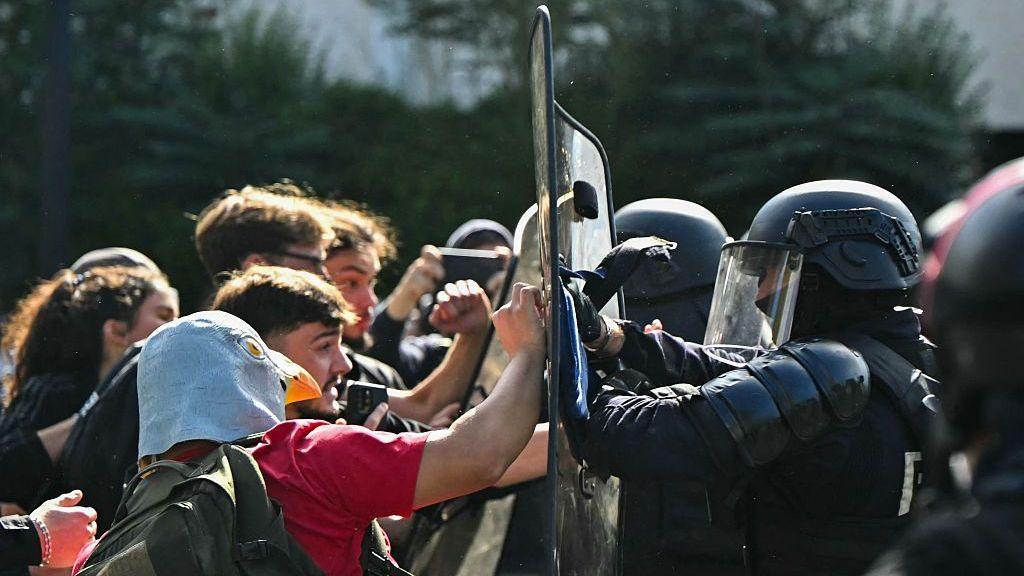

The French government has announced it will deploy 3,000 additional supply teachers to high‑school classrooms over the coming days, a first material concession to a movement that has battered the capital for three weeks.
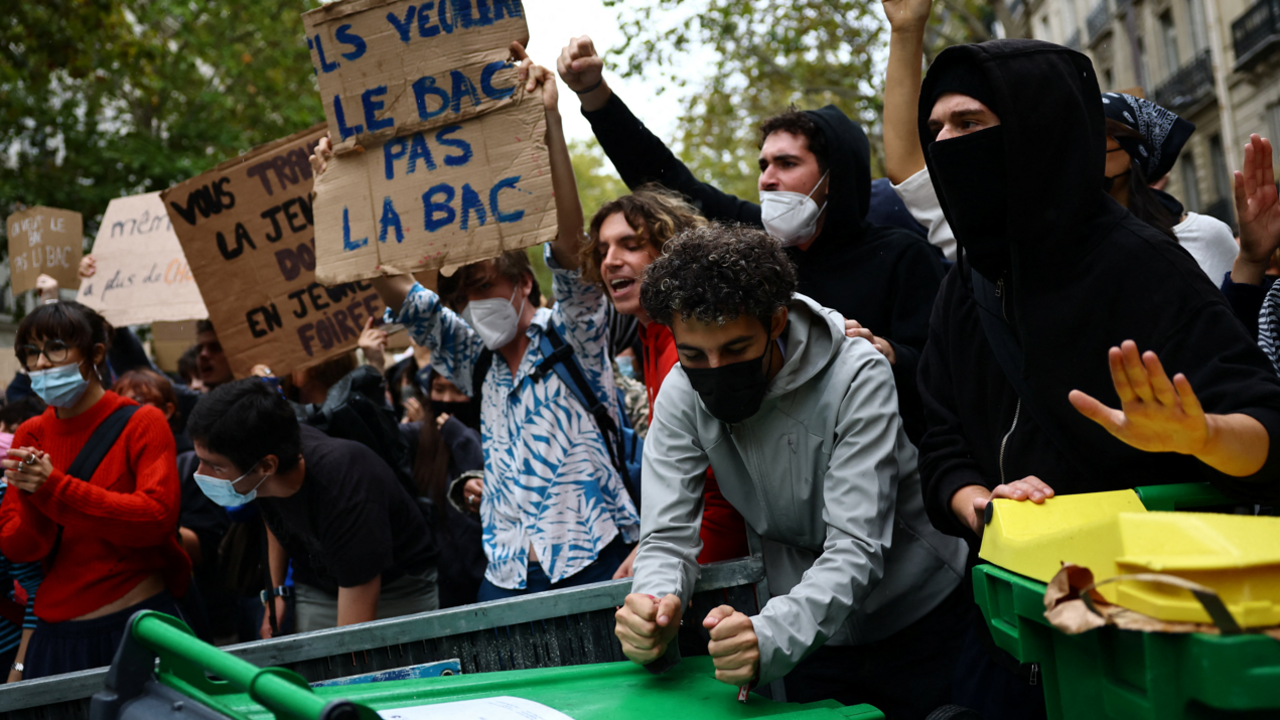
The Ministry of Education, headed by Edouard Geffray, made the pledge on national television after a day of violent demonstrations involving high‑school students. The promise follows data showing that 6,877 people have been arrested since protests began, 86 % of whom are under the age of 18.
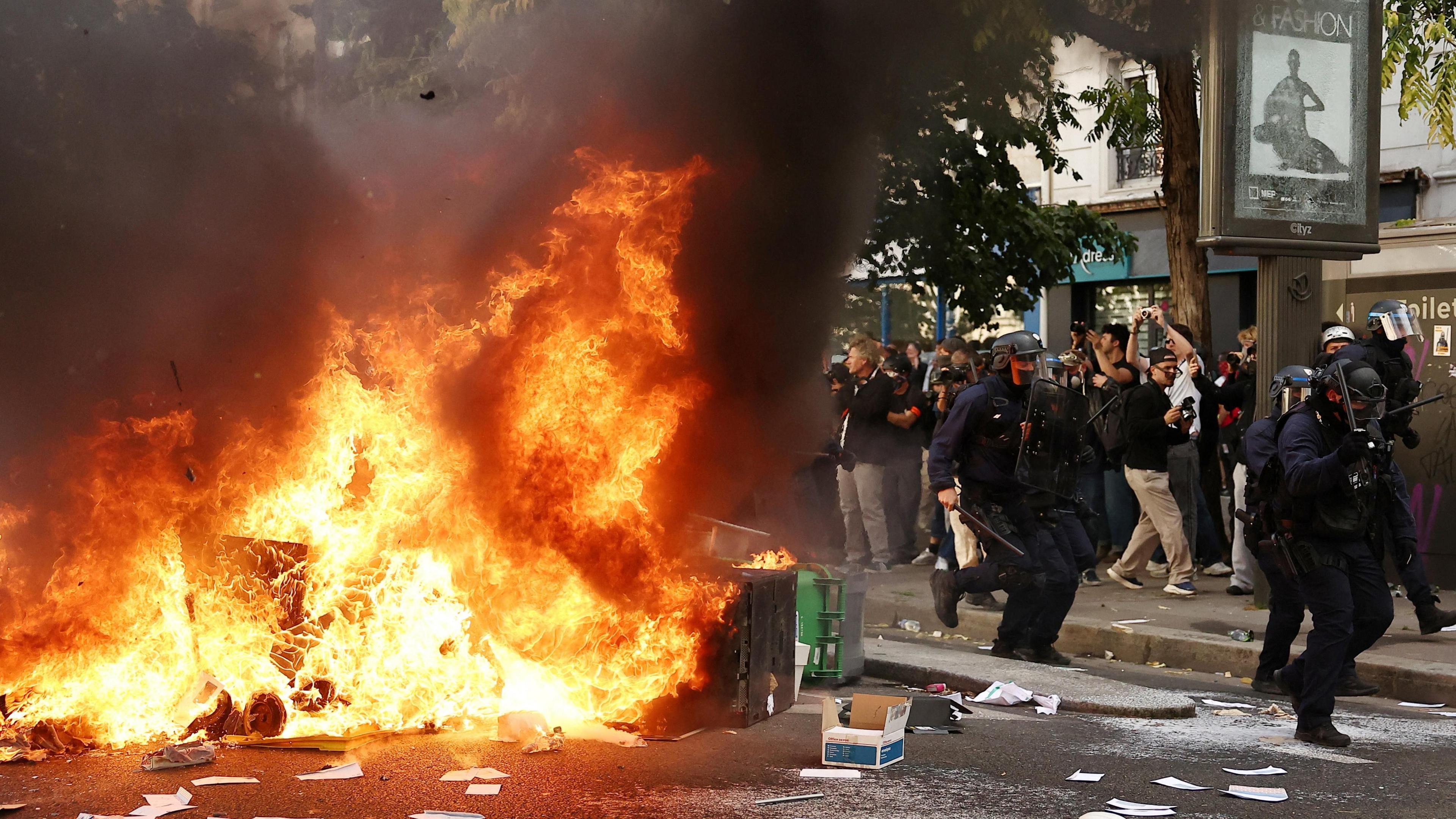
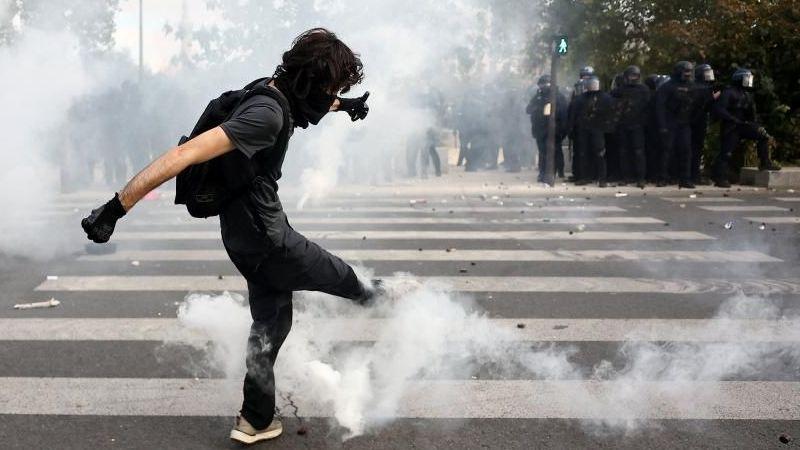
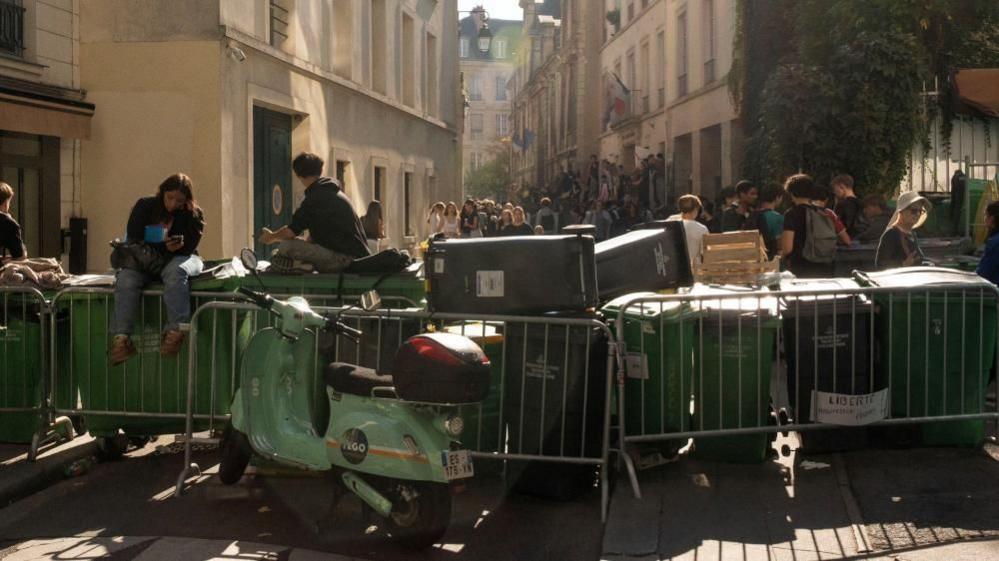
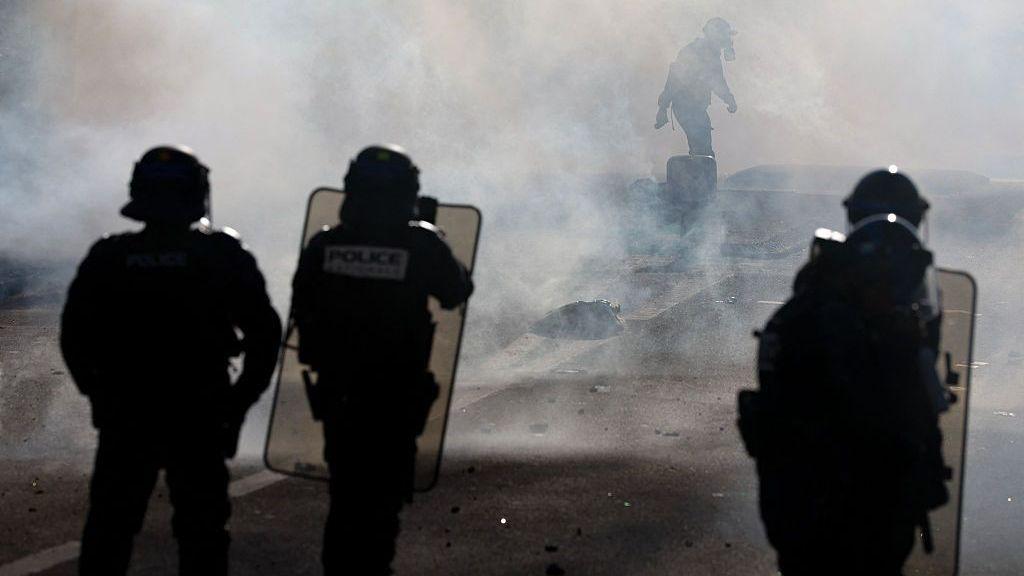
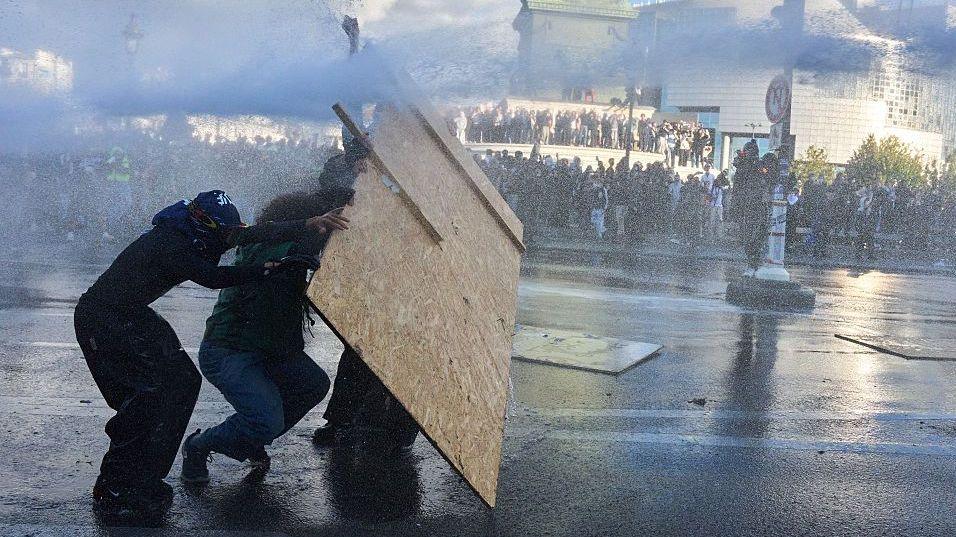
On Thursday, 71,000 people marched across France, with 24,000 joining the Bastille rally. Police deployed tear gas, while students smashed windows and launched homemade fireworks. In Bordeaux an entire lycée was ransacked and in Marseille a deputy‑head coach was beaten.
Although 140 lycées were ordered to close on Friday, the number of closing schools has dropped from earlier days. A further wave of actions is planned for next Tuesday, signalling that the protests are far from over.
The ministry’s plan focuses on identifying about 500 schools in greatest need and deploying supply teachers through a new software system. Many of these schools are in suburbs with high immigration populations. In addition, the contract will increase funding for teachers willing to work overtime, and the promise will inform the 2027 state‑budget debates.
Students’ leaders remain skeptical. Nathanaël Combary of Renouveau Lycéen noted that “the announcements match part of our demands, but we need the money and concrete results.” Sabrine Kharbach of the Union Etudiante said, “As long as we do not have €10 bn on the table, we will continue our action.”
French President Jean‑Luc Mélenchon praised the protests on X, calling the students “retained the Bastille.” The hard‑right National Rally condemned the government’s concessions, accusing the authorities of rewarding violence. Roche‑noble Jd Jacobelli told the press: “When you break things, you get stuff. The legitimisation of violence.”
These events are set against rising tension over fuel costs, agricultural distress and upcoming presidential elections in April and May, which are expected to polarise the mood further. The government hopes that the upcoming school holidays and colder weather will reduce protest intensity.