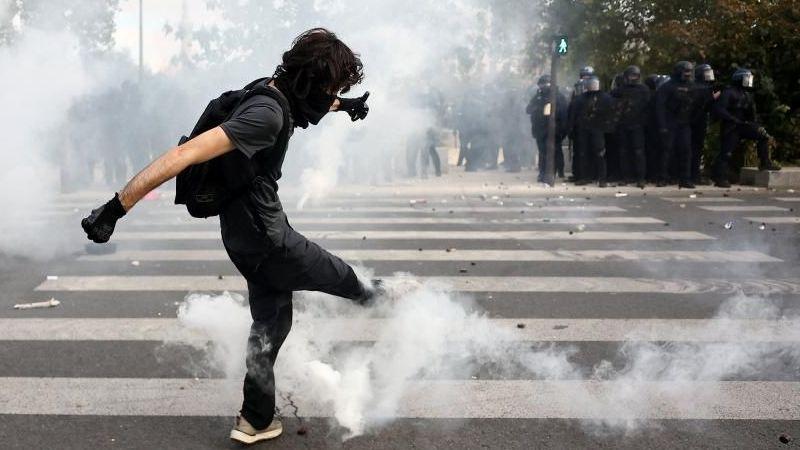
Tear gas clouds Paris and Marseille as school protests surge across France
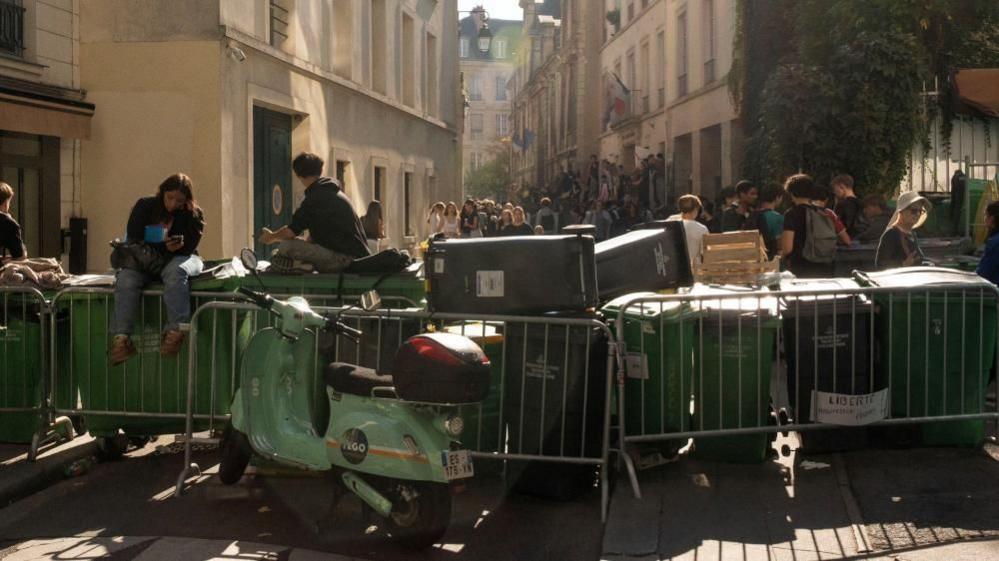
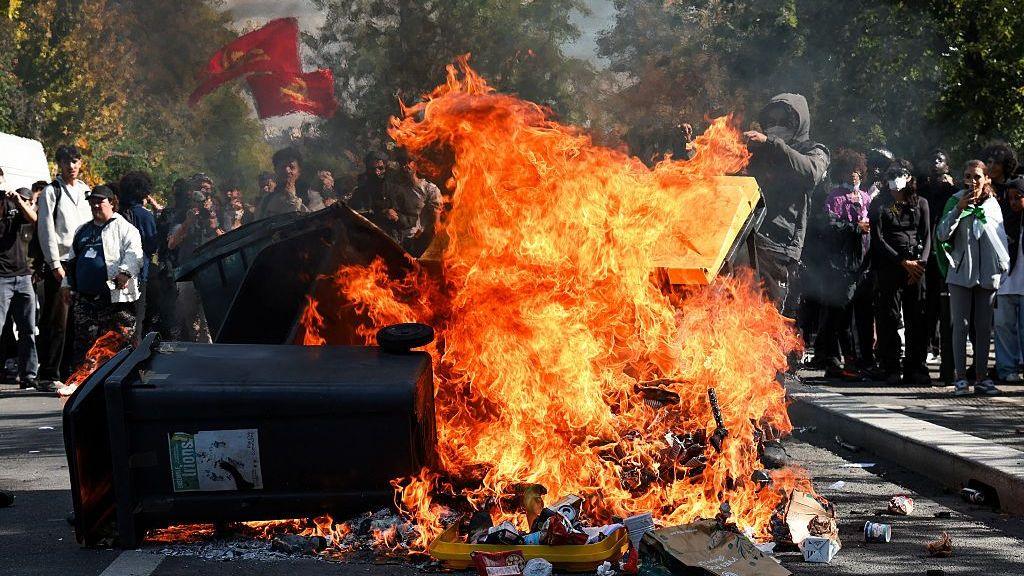
Hundreds of thousands of students, parents, university pupils and teachers have taken to the streets from Paris to Marseille in a nationwide strike. The movement, calling for more resources, better facilities and less police repression, has now entered its third phase and is backed by teachers’ unions and parental groups.
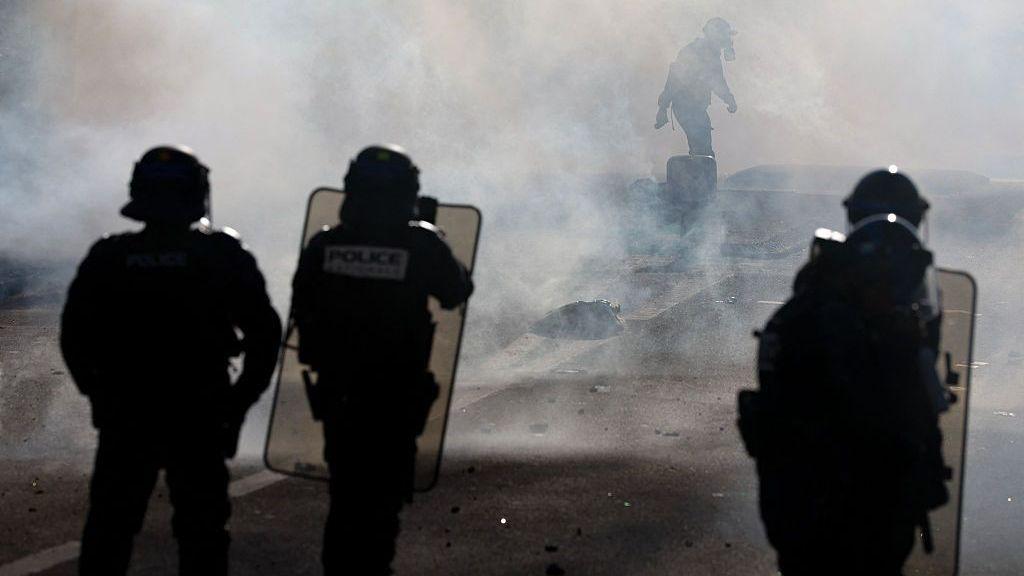
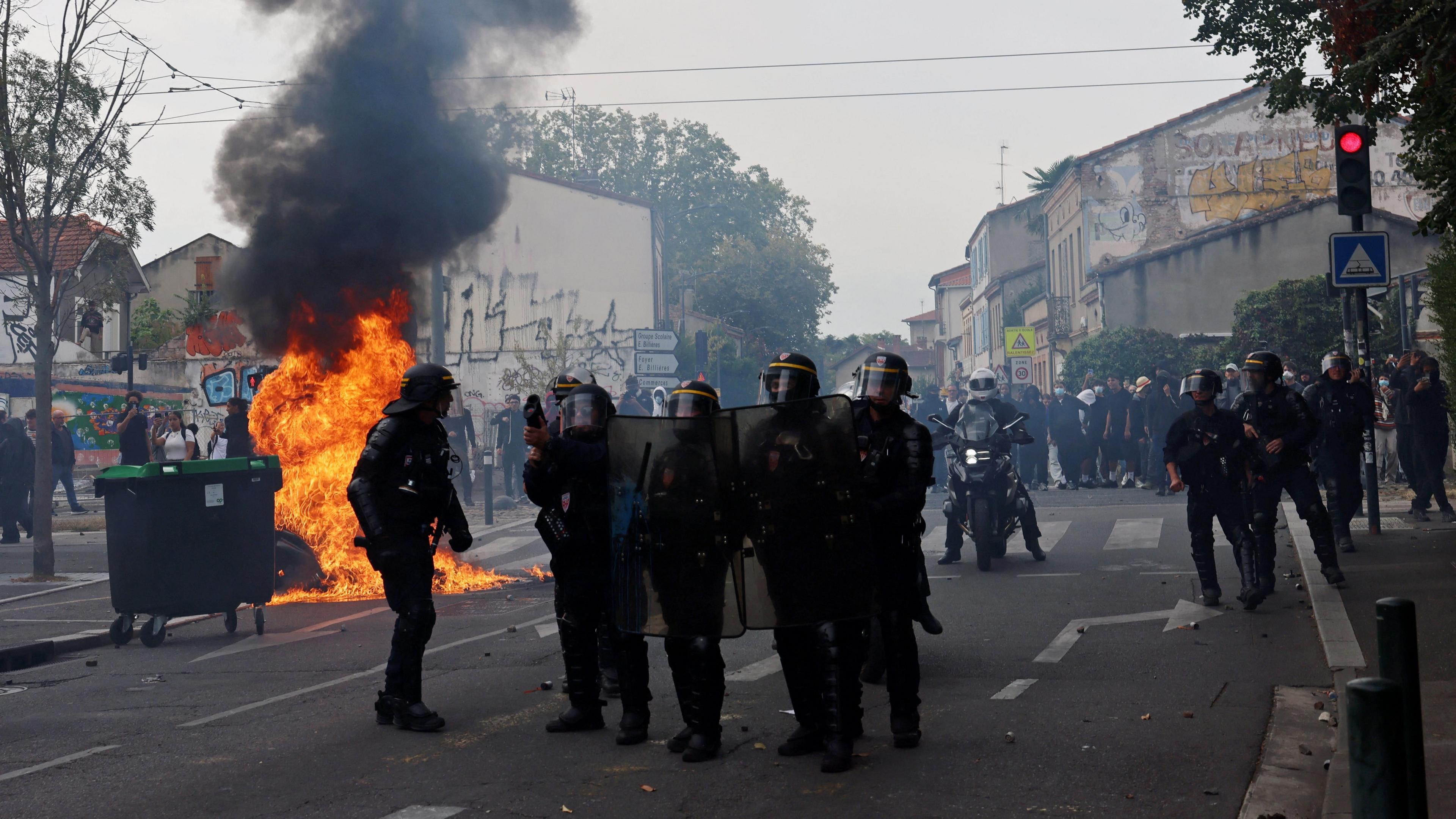
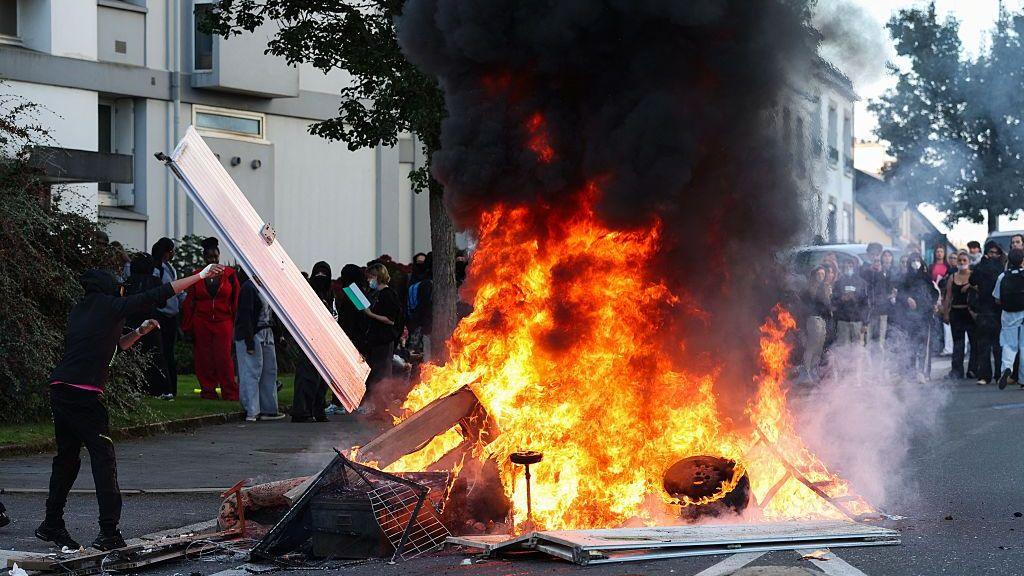
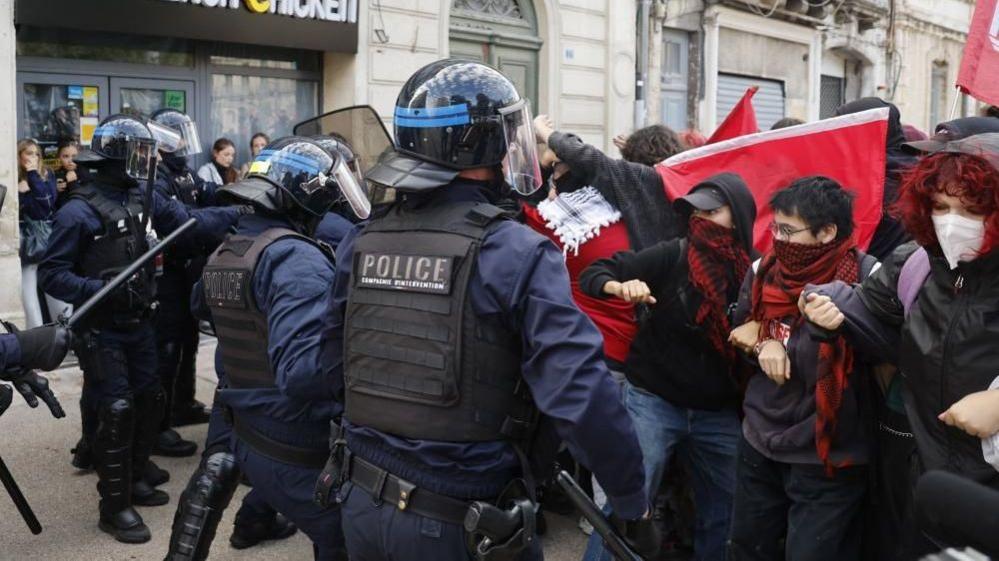
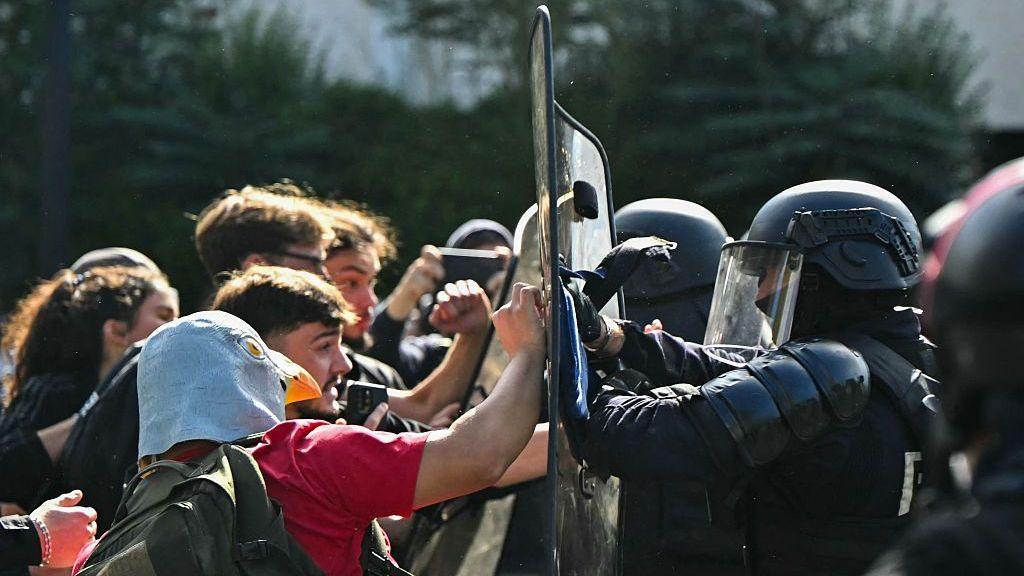
Police confronted the crowds in Lyon, Paris and Marseille, deploying tear gas in the capital and Marseille and water‑cannons in Rennes. Despite the heavy presence, the severity of the clashes has been less than that seen in previous protests. Prime Minister Sébastien Lecornu condemned the earlier violence, noting that 215 students and 85 teachers were hurt, along with 715 police officers.
The government reported disruptions in 891 high‑schools—almost a quarter of all lycées—while student unions claimed 450,000 protesters and 1,800 school blockades. Meanwhile, the largest union, CGT, warned that further protests involving school and university students are planned for Thursday.
Students’ voices
“Most of us aren't violent,” says Alissa, a Marseille student, “We’re marching because our schools are falling apart.” Her friend Sacha added, “The ceilings leak, the conditions are unsafe, so we can't study properly. We’ll keep coming until reforms happen.”
Education Minister Édouard Geffray has appealed for dialogue, fighting back calls that the movement is infiltrated by ultra‑violent elements. Yet his offers of a reporting website and in‑school discussion sessions have yet to sway the protestors.
Police investigations continue into claims of disproportionate force. One officer charged with causing permanent injury after firing a tear‑gas canister at a high‑school student in Saint‑Ouen‑l’Aumône has been prosecuted. In Lens, a 15‑year‑old lost a hand after an anti‑encirclement grenade fired during a standoff with police.

As the protests spread further, the French Interior Ministry said 6,547 people had been detained since 28 September. The movement has sparked debate about public service budgets, teacher shortages and the safety of students, all under the looming shadow of upcoming presidential elections.