School protests send shivers down French government's spine
Paris correspondent Hugh Schofield – 2 October 2026 12:43 GMT+2
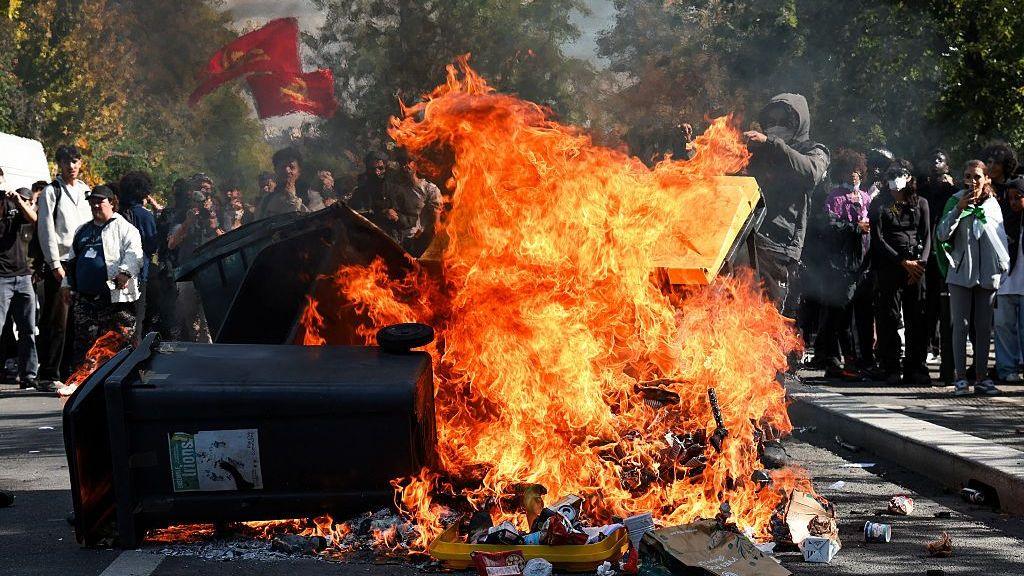
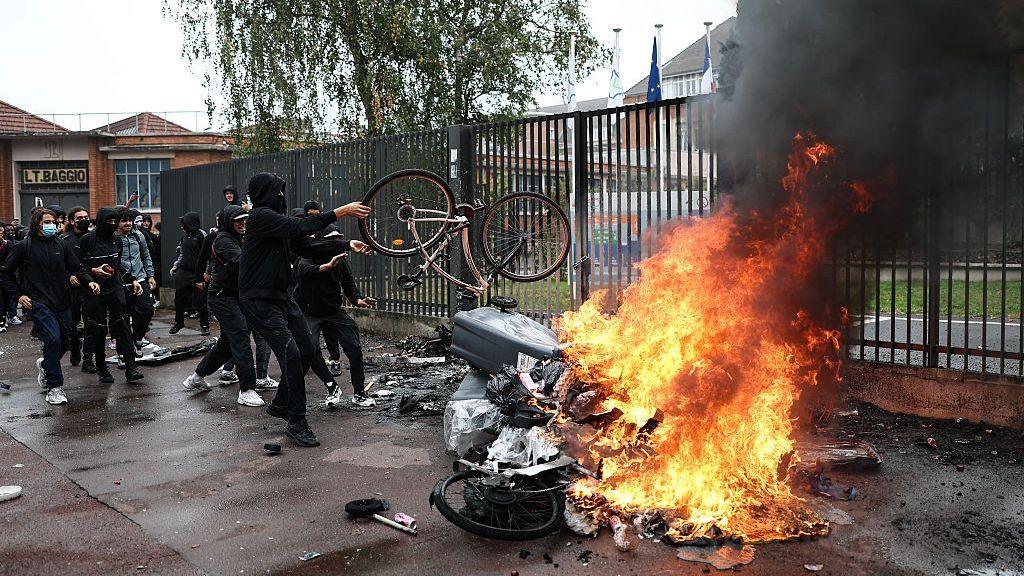
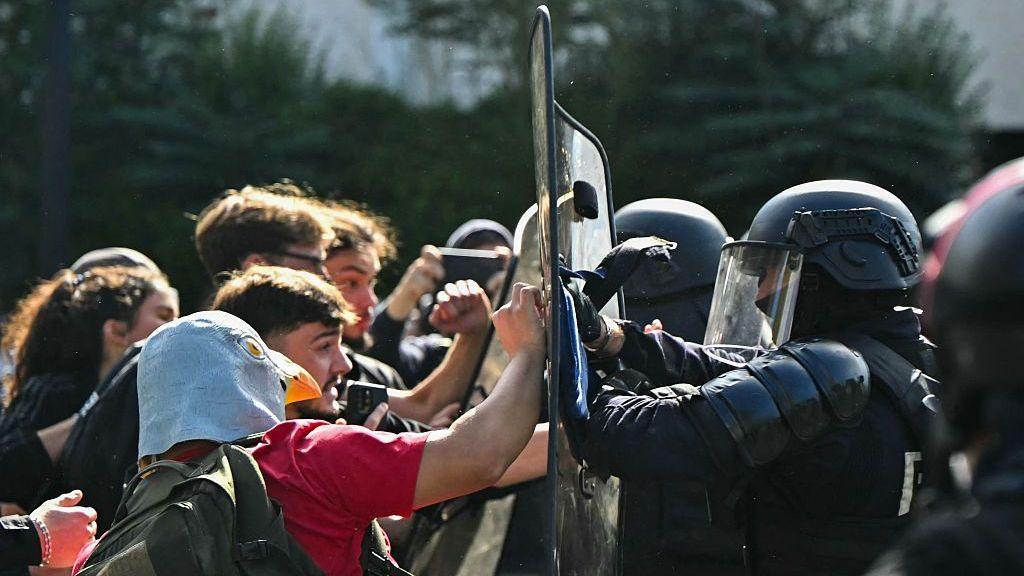
Since the historic May 1968 uprising, French leaders have understood that a young, organised rebellion can rapidly ripple across the nation. The current wave, which began a fortnight ago in the low‑income suburb of Seine‑Saint‑Denis, now blankets schools from Paris to Lyon, Bordeaux and beyond. Hundreds of secondary schools have been blockaded, dozens of teachers and 65 school heads injured, and the main hall of a lycée in Nantes, for example, burned to the ground.
Students are demanding more teachers, smaller classes, better facilities and more money – a list that many in France accept as legitimate in the face of chronic budget deficits. Yet the protests have attracted criticism that the movement is being co‑opted by far‑left groups such as the France Unbowed party and its presidential hopeful Jean‑Luc Mélenchon.
An internal police report leaked to the media argues that “far‑left elements” and students’ unions have encouraged the unrest to sow discord ahead of the May elections. Mélenchon has publicly called for restraint, but his supporters claim that the protest is simply a manifestation of youth frustration, not political manipulation.
The situation escalated on Thursday when fire crews were dispatched to hundreds of blocked schools, and police cut through crowds that included non‑students and university participants. In the city of Paris, a student set fire to a rubbish bin in the centre, illustrating the widening reach of the strike. The damage is estimated in millions of euros and has prompted a government review of public spending, with Prime Minister Sébastien Lecornu hinting at a €54 bn cut for the next budget.
With the 2027 election looming, politicians on both sides fear that these protests could decide the momentum of the campaign and potentially shift voter loyalty in the populous, high‑immigration suburbs where Mélenchon enjoys strong support. How the government balances demands, violence and political pressure will shape France’s social and educational landscape for years to come.