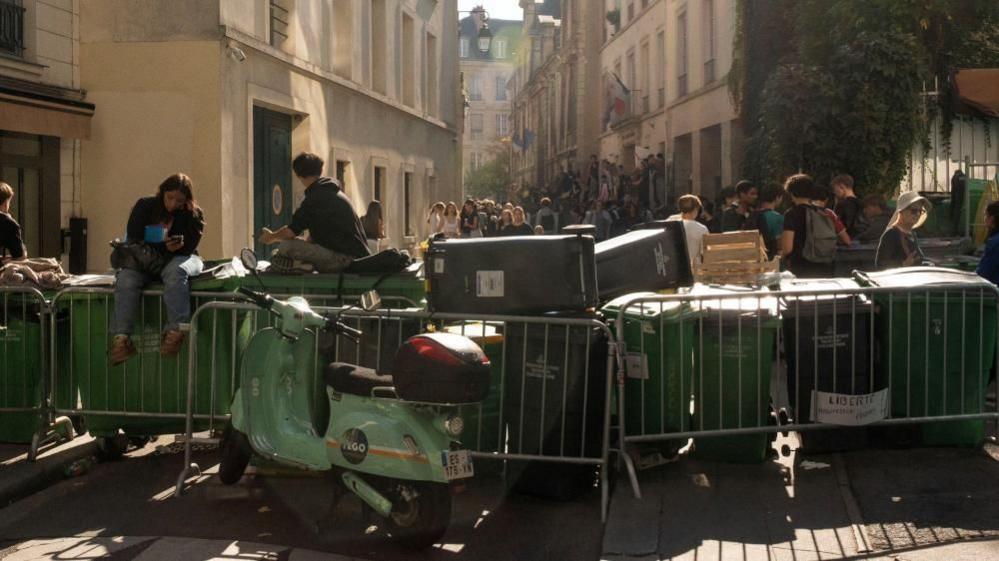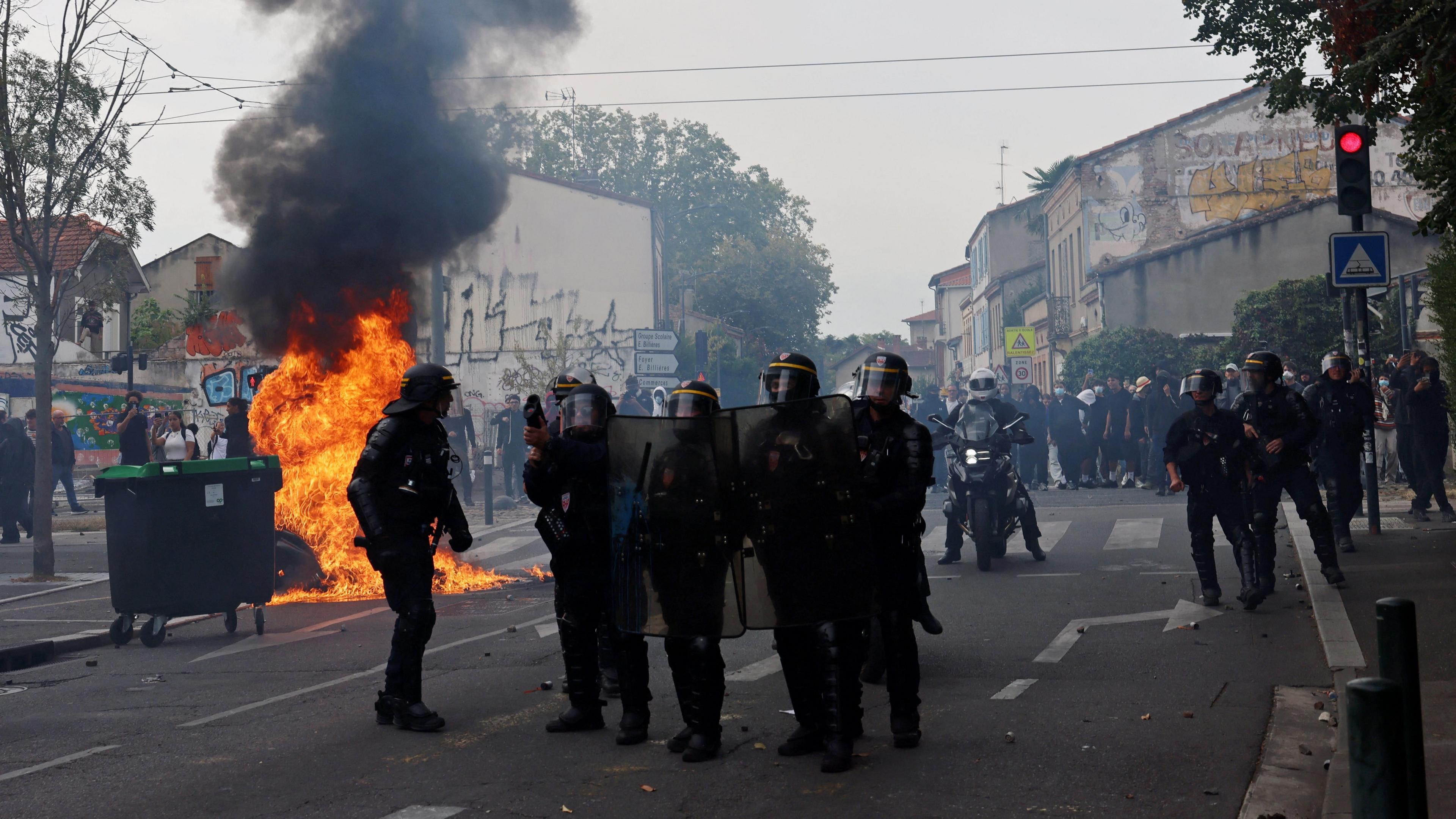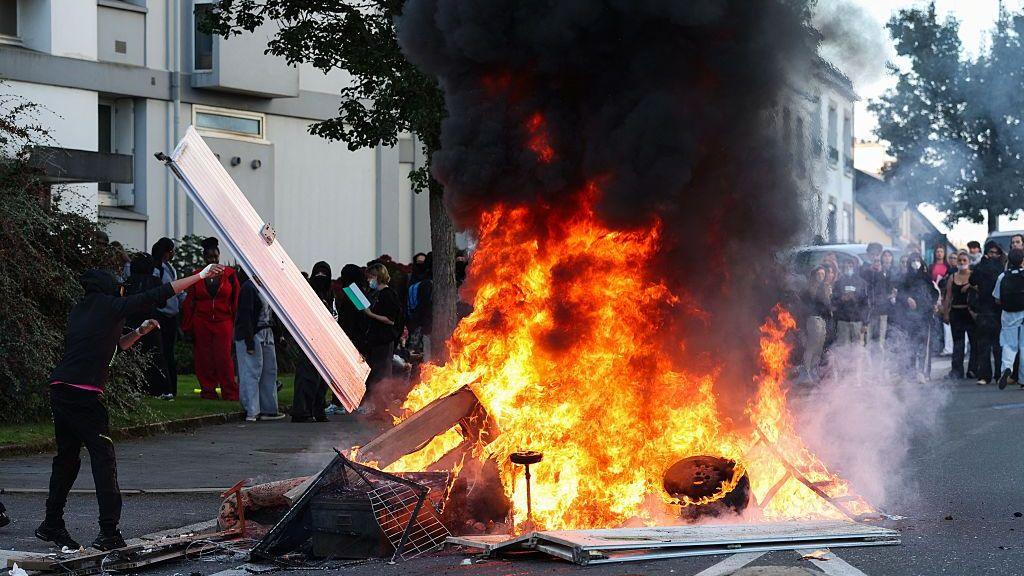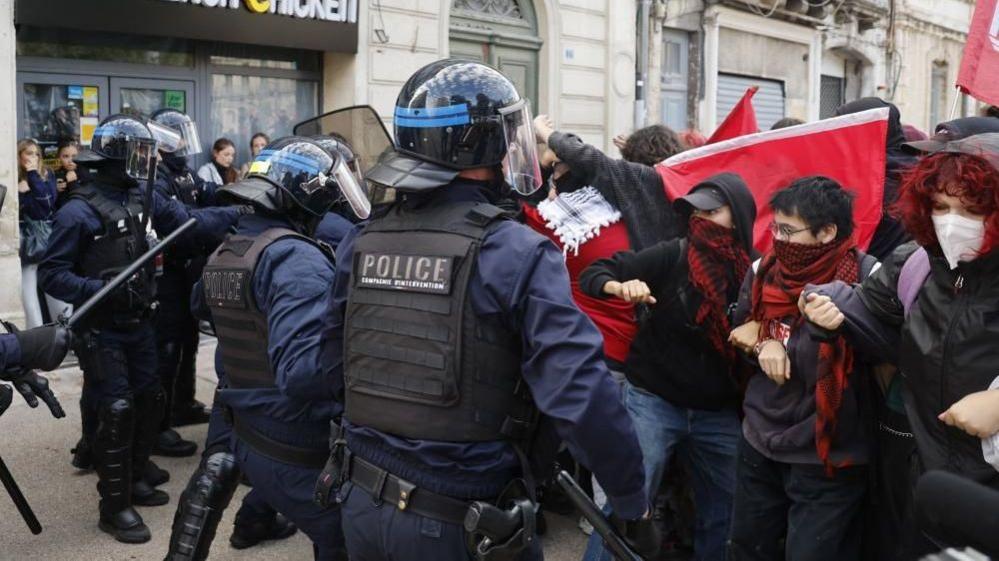
A wave of protests that began in late September by high‑school pupils in Paris’s Seine‑Saint‑Denis suburb has expanded into a nationwide movement demanding better classrooms, more teachers and less police repression. By the Friday of the week, students, parents, university volunteers and teachers’ unions blocked nearly 1 800 high‑schools across the country – the highest number recorded in a single day.
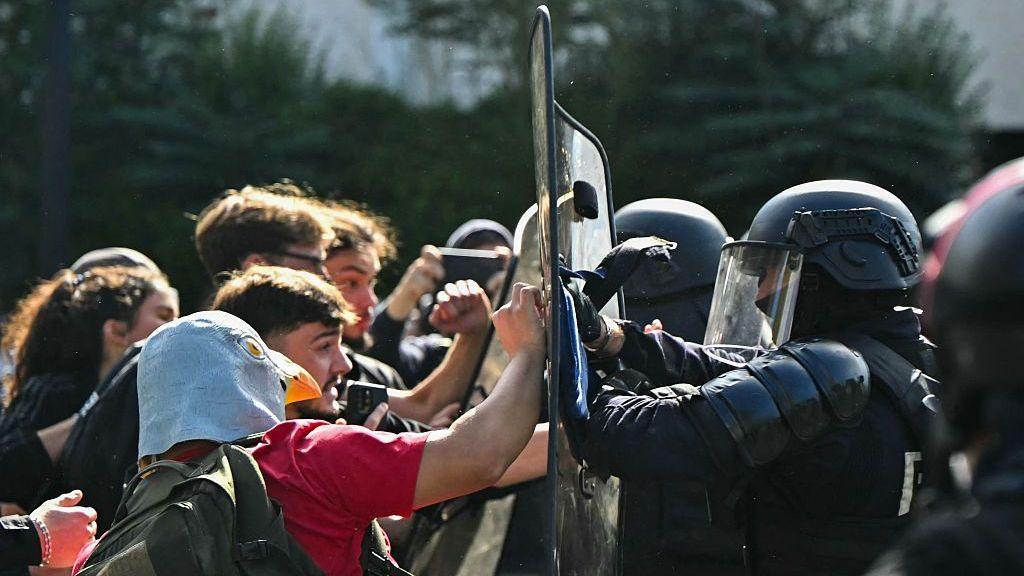
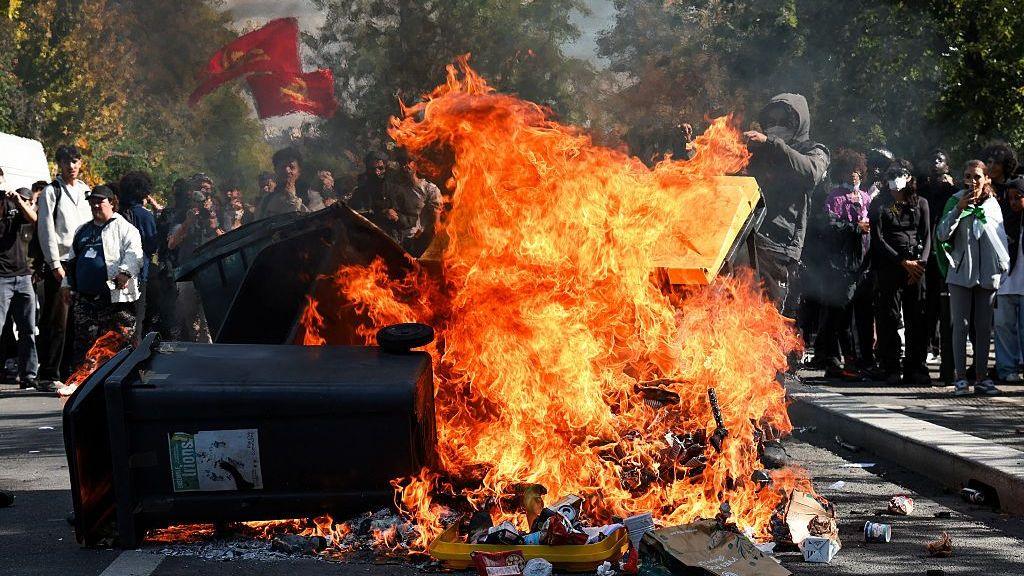
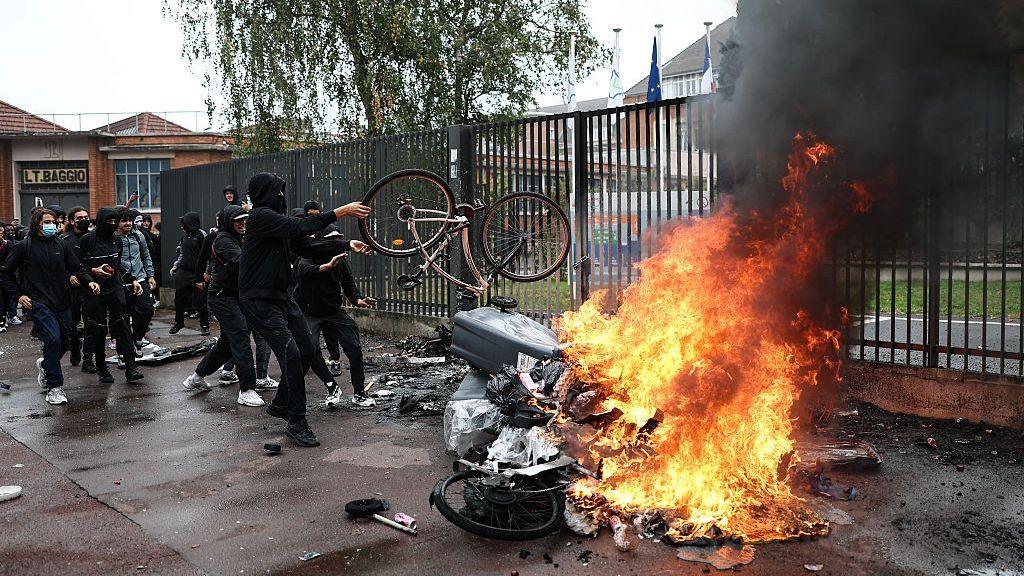
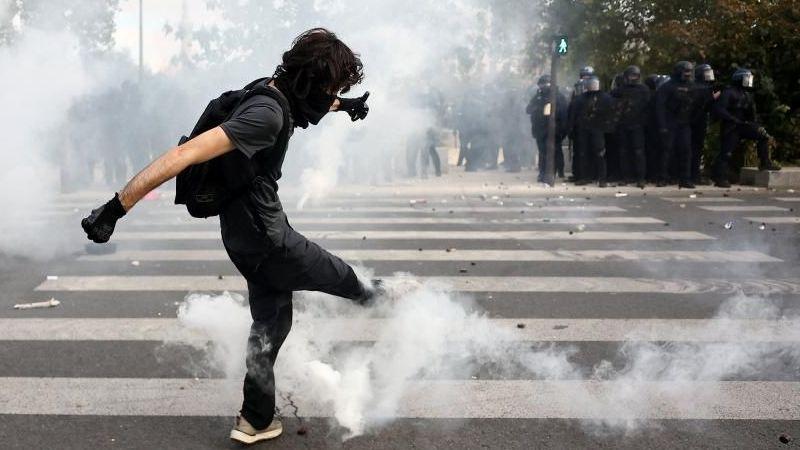
In Paris and Marseille riot police fired tear gas canisters in an attempt to disperse demonstrators. Footage shows masked students trying to block officers with bins and bollards before the gas forced them to scatter. Rennes saw the use of a water cannon, but the intensity remained comparatively low to previous demonstrations.
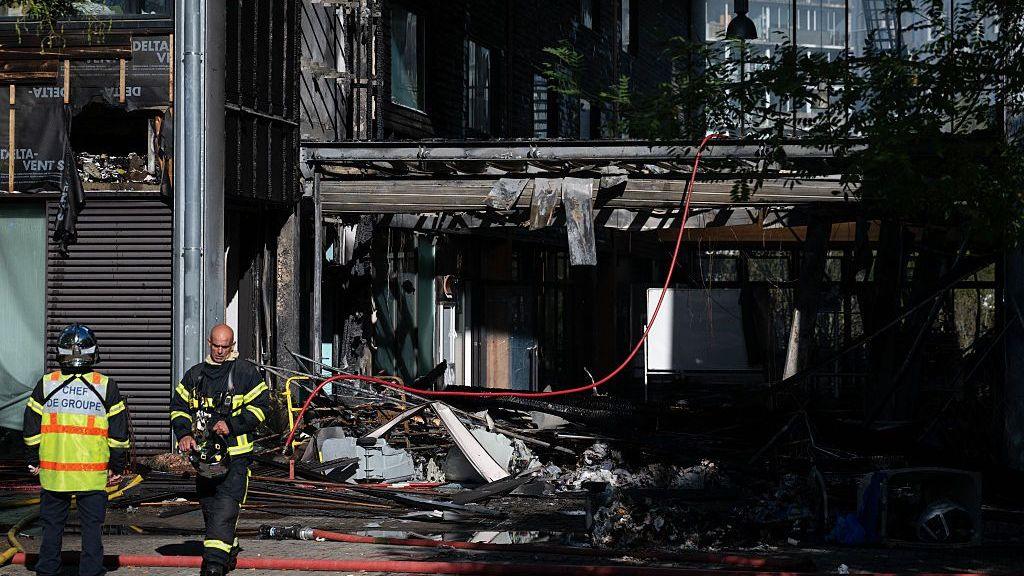
Prime Minister Sébastien Lecornu condemned the violence, noting that since the protests began, 215 students and 85 staff members have sustained injuries, alongside 715 police officers who were hurt. Statistics released in parliament show 6 547 individuals were stopped or arrested by police since 28 September.
Education Minister Édouard Geffray has called for dialogue rather than school blockades, accusing “ultra‑violent elements” of infiltrating the student movement. Yet, as students open a dedicated website and schools arrange internal discussions, the demands for urgent educational reforms remain unmet.
"We are not violent. Our schools are closing. We will keep protesting until you address these problems," said Alissa, a high‑school student from Marseille.
Student unions estimate that over 250 000 demonstrators took to the streets on the day of the largest wave, while other estimates put the figure at 450 000. The French Nationalist and left‑wing parties scramble amid the political fallout as President Emmanuel Macron faces criticism for the handling of the unrest, with the Republican challenger describing the situation as “chaos.”
Arrests have increased: 6 547 people were detained since 28 September, and the Independent General Police Inspectorate (IGPN) is investigating allegations of disproportionate force, including a case where an officer fired a tear‑gas grenade that injured a 14‑year‑old student, fracturing his jaw and breaking several teeth.
The protests have now extended to university campuses, with the French Confederation of Trade Unions (CGT) pledging additional demonstrations on Thursday. The government's failed plans to curb the movement, coupled with mounting grievances over classrooms and teacher shortages, suggest the protests will continue to shape France’s political and educational landscape in the coming months.