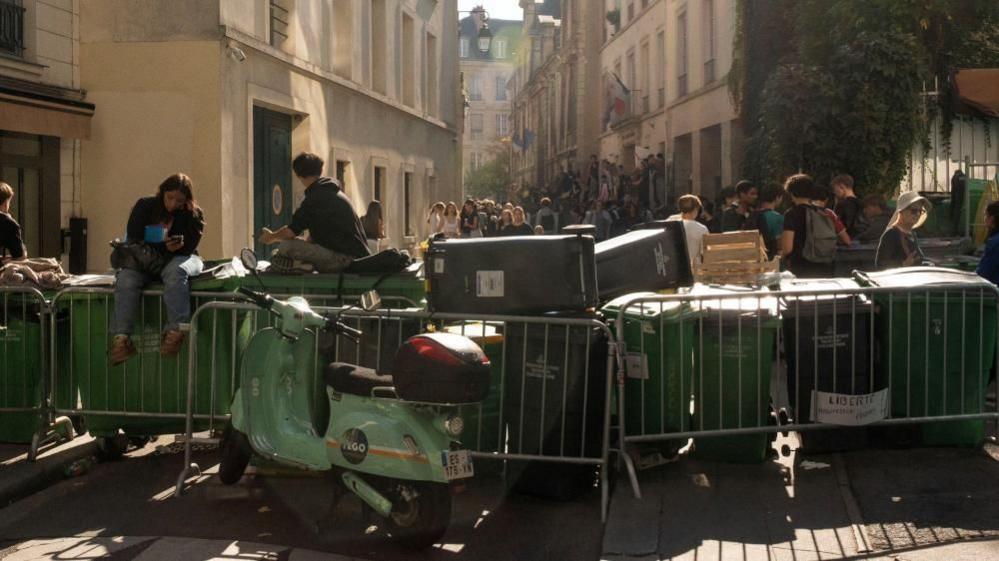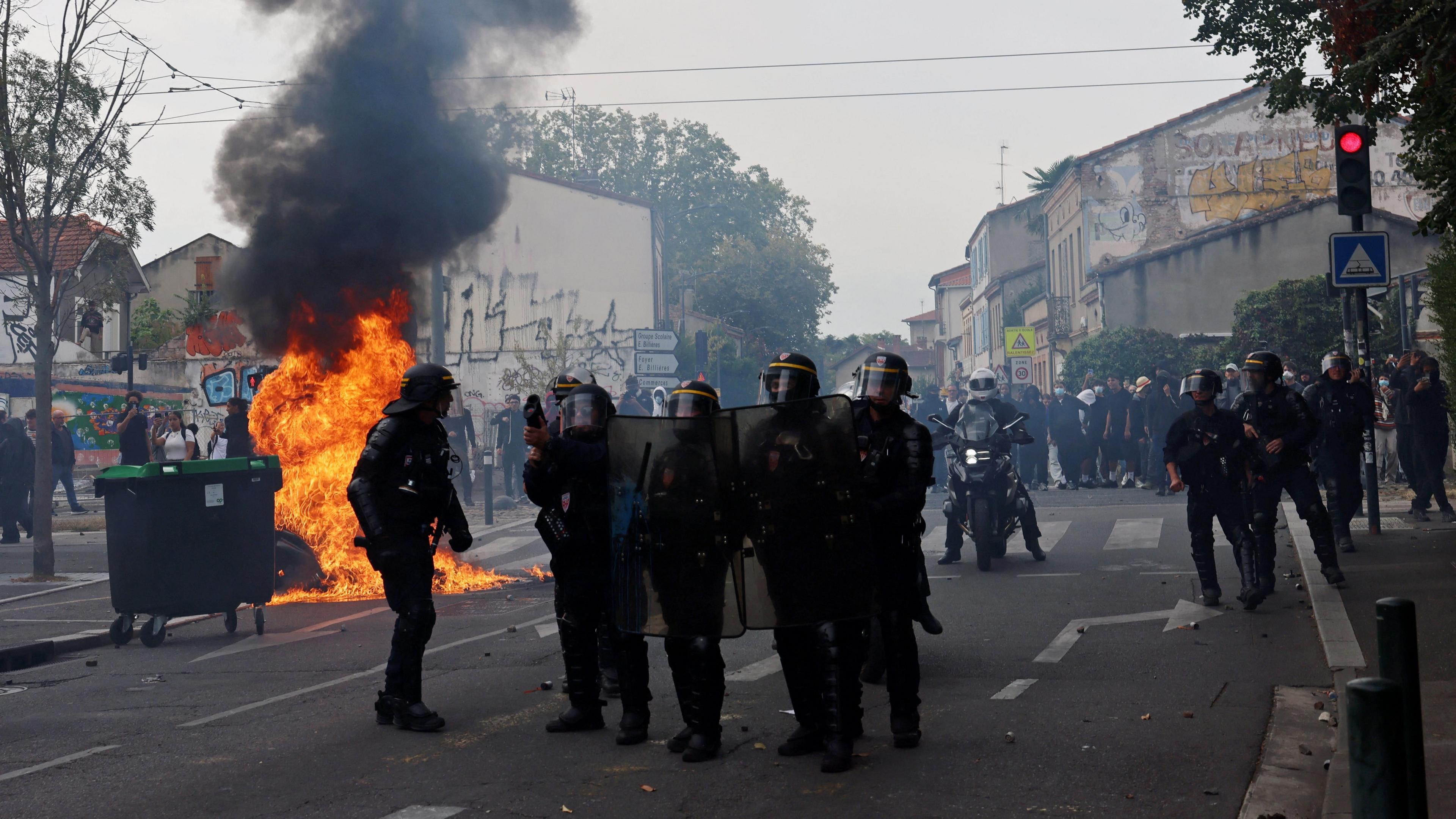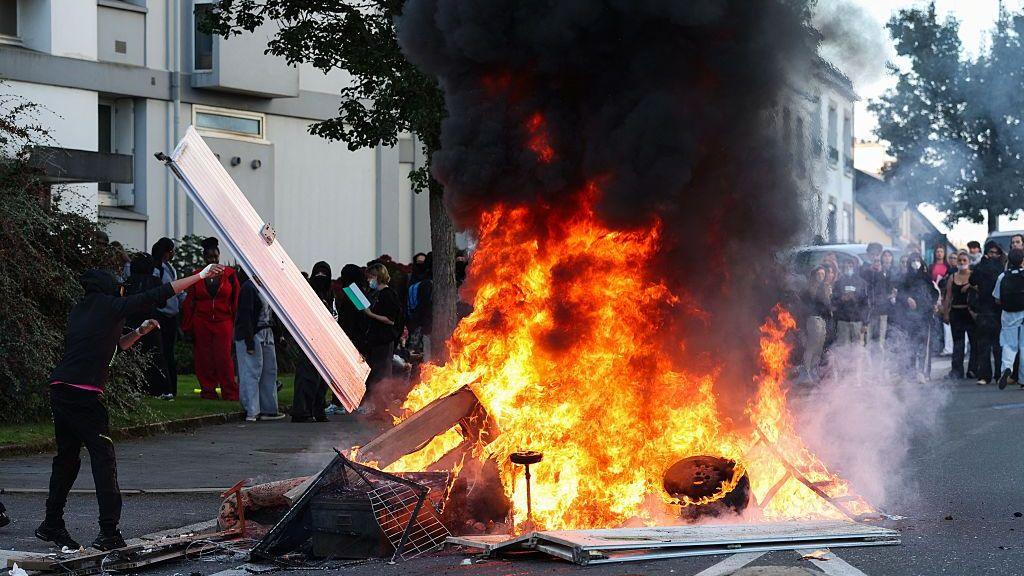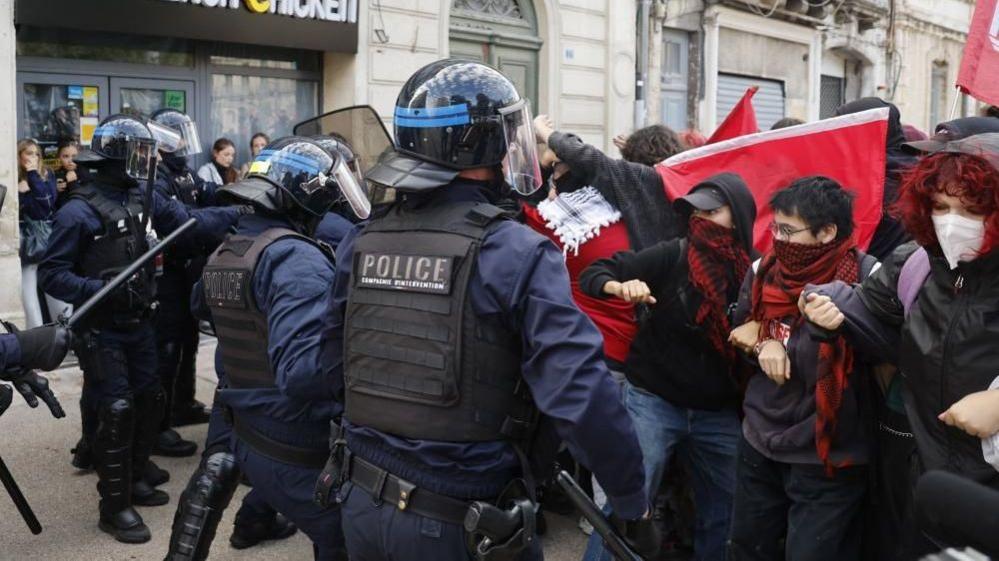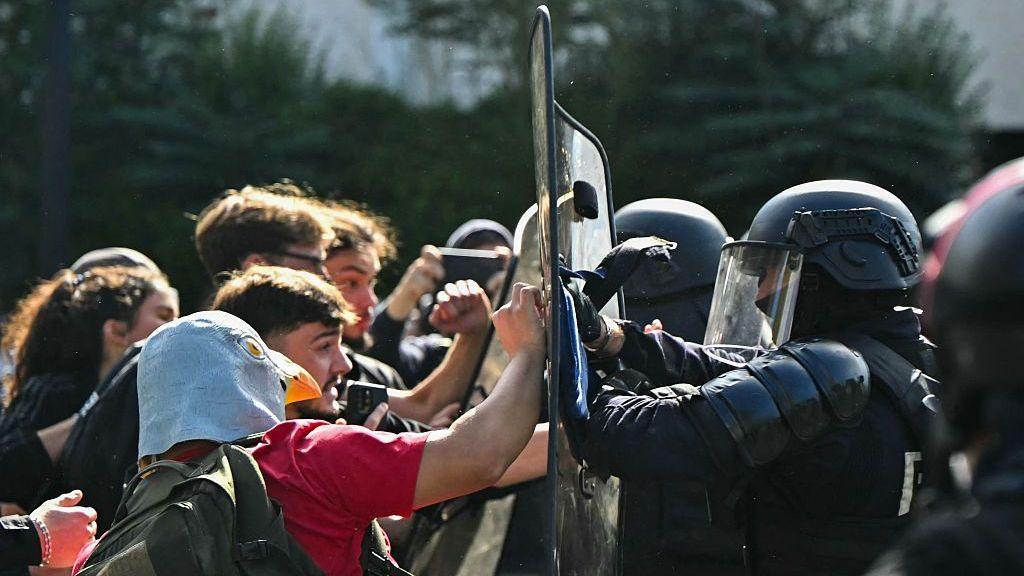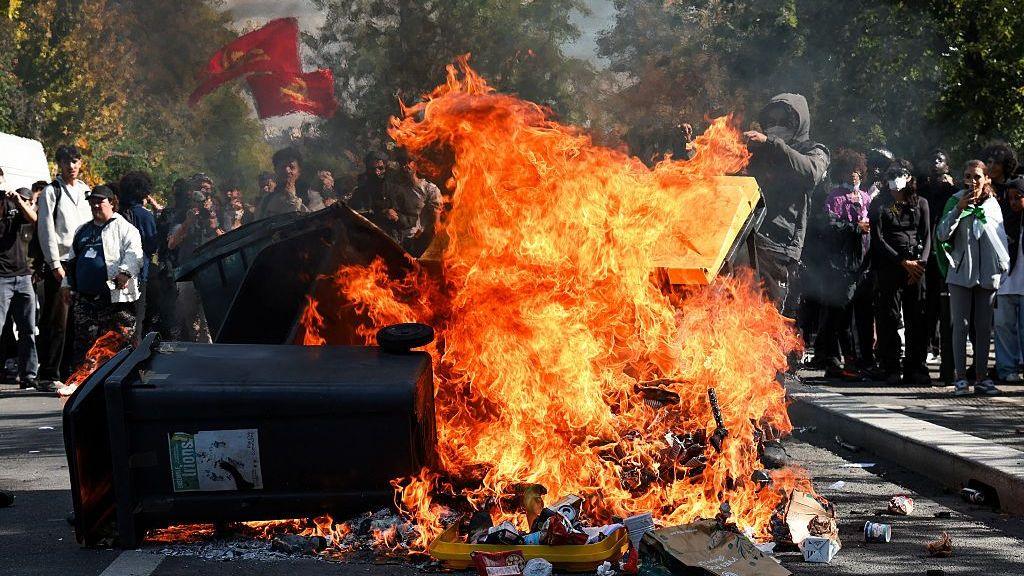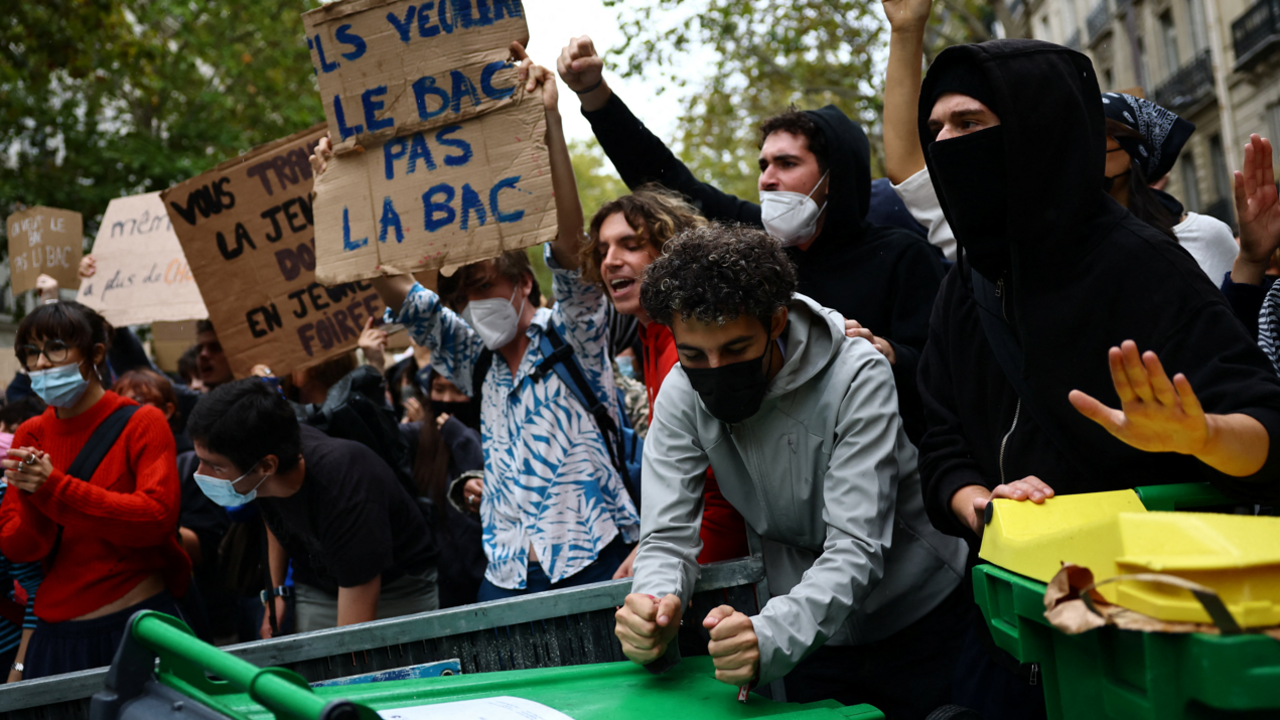
Since late September students across France have been holding protests against underfunding in education, blocking many high schools.
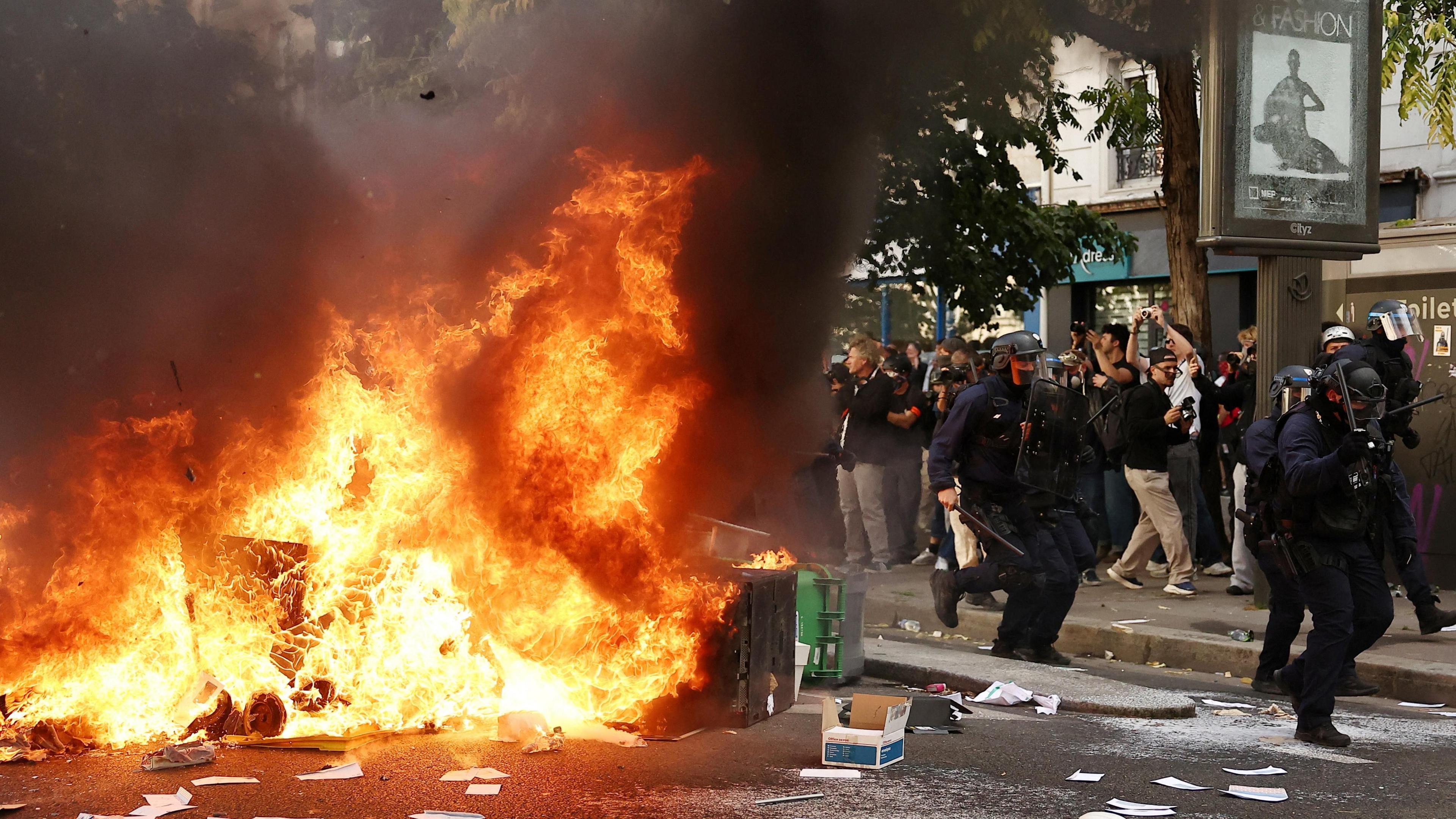
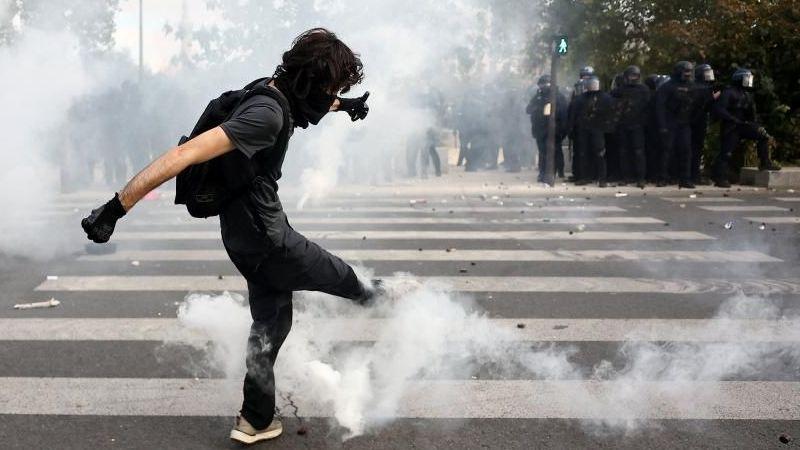
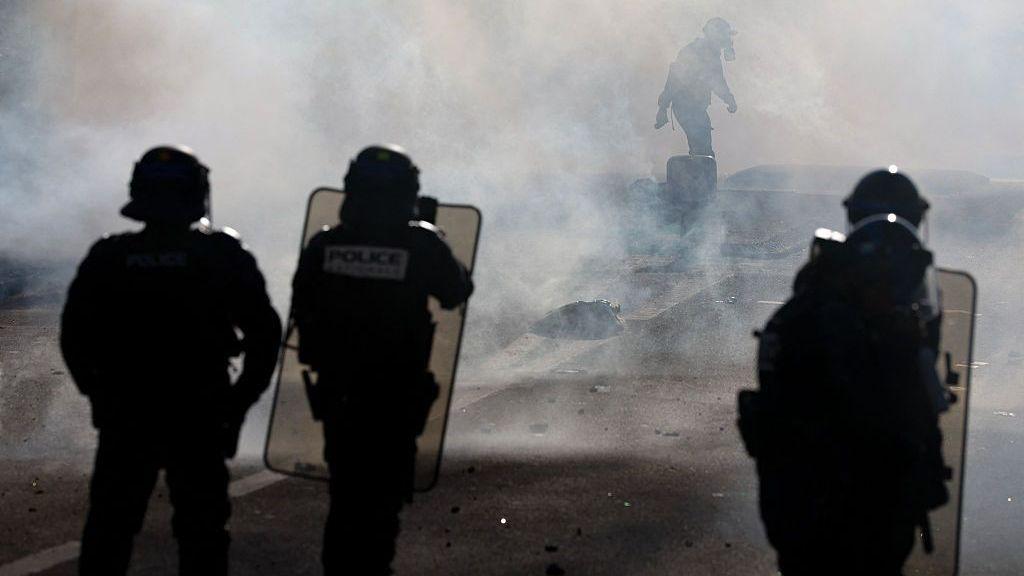
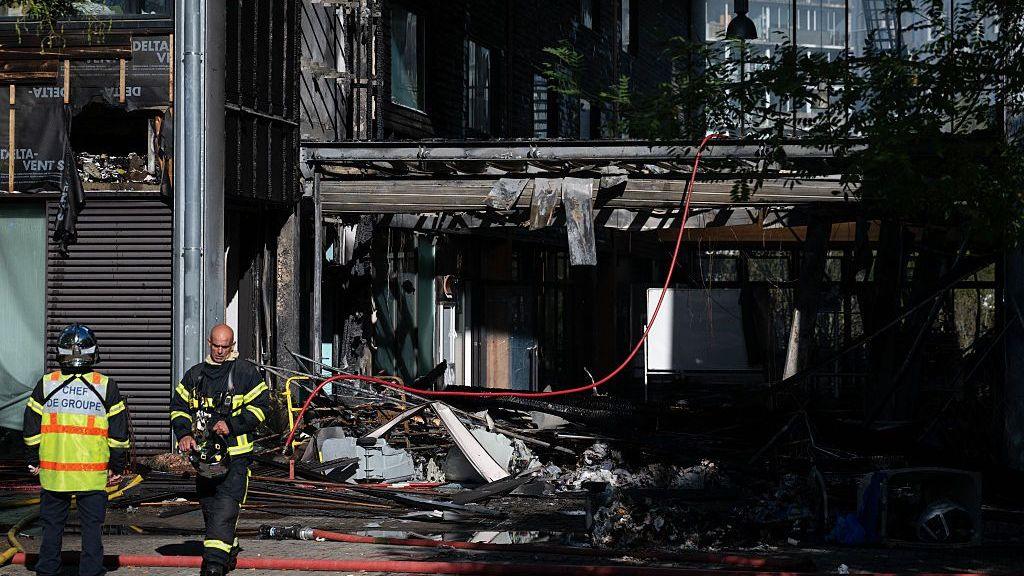
The movement has turned violent in places – hundreds of students, teachers and police officers have been injured. Thousands, including outsiders, were arrested.
Protesters cite staff shortages, dilapidated buildings and long school days as key grievances. One student noted the absence of teachers for weeks and the heat‑wave‑exacerbated hot classrooms.
Other complaints cover mobile‑phone bans, extended hours ending at 18:00, and the opaque higher‑education allocation system, Parcoursup, that can give only 80% of students a place at their first choice.
According to the OECD, France spends more per lycée student than the EU average, yet teacher shortages are relatively mild and everyday school days tend to be long due to complex schedules.
The scale of the unrest—mass blockades, heavy police presence and tear gas—can be understood through a history of student activism. Earlier protests in 1990 and 1998 yielded significant funding and staff increases, while the 2006 opposition to a labour law and the 2018–2019 gilets jaunes movement showed how street action can compel policy changes.
Despite a strong public side, the current government is weak: a 5.4% deficit, high debt, and a future election where the incumbent is unlikely to stand. Prime Minister Lecornu faces a budgetary crunch and a Parliament that has little willingness to budge on student demands.