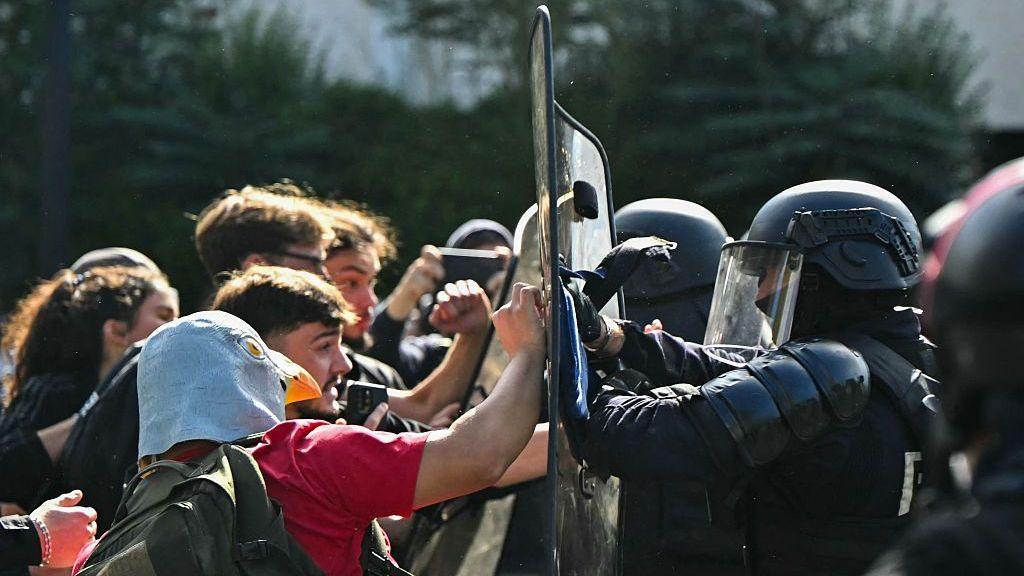
Student Uprisings Send Shockwaves Through Paris and France
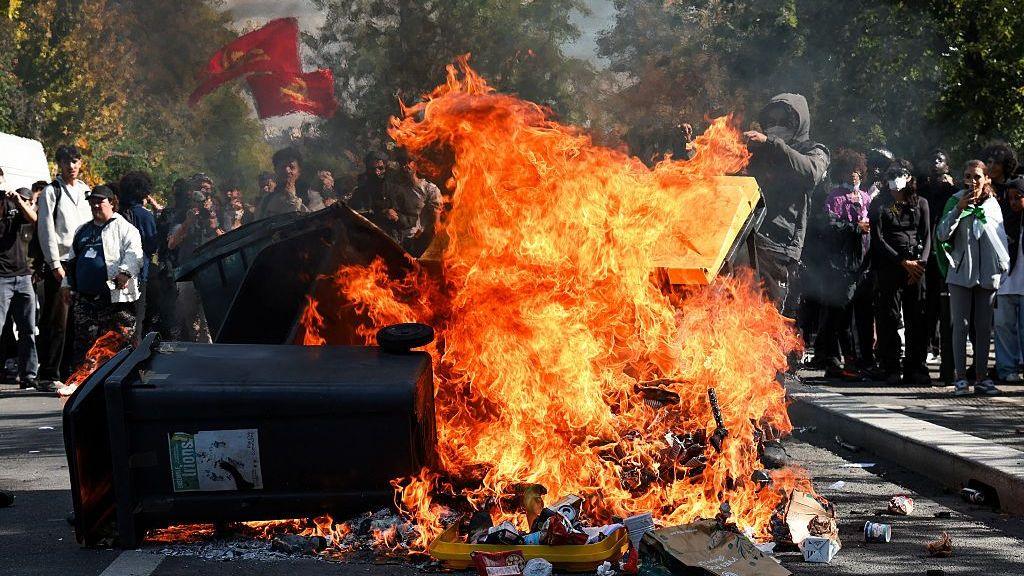
Since late September, students have taken to the streets outside schools across France, demanding the government address timetable issues, small class sizes, a teacher shortage and overheating classrooms during the summer heatwaves. What began in the low‑income Seine‑Saint‑Denis suburb of Paris has now spread to 400 schools and several universities nationwide.
The protests have escalated quickly. On Thursday the main hall of a lycée in Nantes was set ablaze and numerous other school gates were set on fire in smaller, yet widespread, incidents. Education Minister Édouard Geffray said 65 teaching staff, including 40 principals, were injured – many by protestors who were not their own students.
Police and firefighters have also suffered injuries – at least 300 officers reported wounds – and around 2,000 people, the majority of them under the age of 18, have been detained. Two students have sustained severe eye injuries and a third has lost multiple teeth. Parallel allegations from student groups claim that police violence has resulted in far more casualties among students.
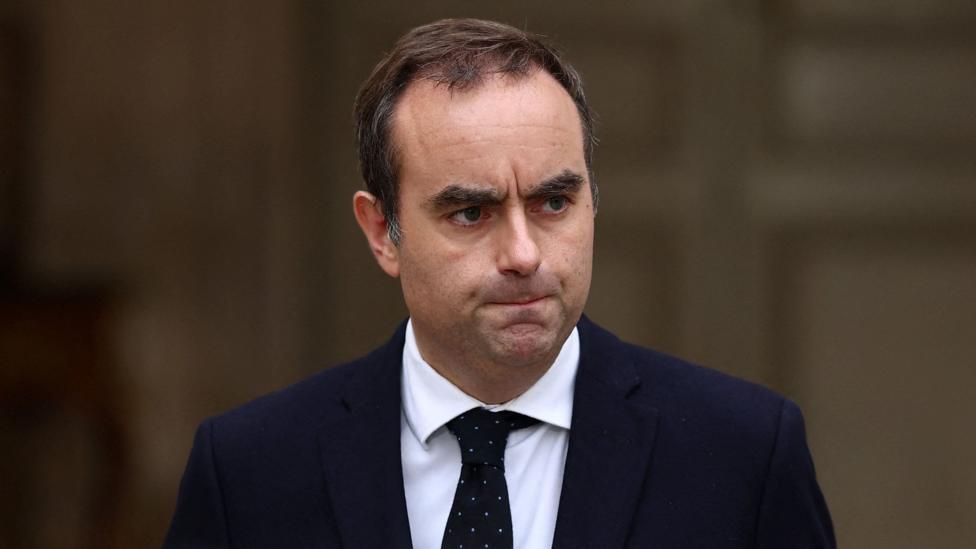
The economic stakes are high. Prime Minister Sébastien Lecornu’s draft 2027 budget plans to trim public spending by €54 billion, further tightening resources for education and public services. The protests have high visibility, with many demanding more funding for schools and better infrastructure.
Political analysts point to a larger undercurrent that could steer this turmoil into the national ballot. The far‑left France Unbowed party, led by presidential hopeful Jean‑Luc Mélenchon, has openly supported the student movement. Social media and televised interviews have seen Mélenchon urge students to avoid violence, citing that “violence serves only our enemies’ interests.” The party argues its engagement is merely a moral stand, but critics warn of a “flame‑kindling strategy” aimed at galvanising young voters who are a decisive bloc in the forthcoming presidential race.
An internal police report leaked to the press indicated that far‑left student unions and political groups such as France Unbowed were “egg‑ing” students, citing the presence of non‑students, vague demands, and the display of Palestinian and Algerian flags as evidence that the protests could be manipulated for electoral gain.
With the second round of the presidential elections approaching, the government is under immense pressure to quell the unrest while maintaining public order. The outcome of this crisis will shape France’s political equilibrium for years to come.