In brief
In a significant event for Palestine, Fatah leaders gather for their first conference in ten years, with President Mahmoud Abbas reelected. As they pledge to unify and reform, public discontent runs high due to perceived political stagnation and dissatisfaction with leadership. Ordinary Palestinians express skepticism about the leadership’s commitment to real change amidst ongoing challenges.
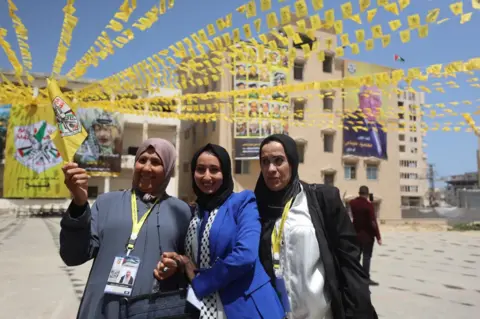
Top leaders of the main Palestinian political faction, Fatah, are convening for their first major conference in a decade, tasked with electing the party's highest decision-making body. President Mahmoud Abbas, 90, was re-elected as head of Fatah. Although party officials are promising reforms and unity, many ordinary Palestinians view the meeting as a showcase of the opposite. Opinion polls indicate deep dissatisfaction with Abbas's leadership, with a significant majority calling for his resignation. Concerns about cronyism and the political future of Abbas's eldest son, Yasser, being on the ballot further complicate the atmosphere. As Abbas addressed the conference, he conveyed a commitment to holding the first presidential and parliamentary elections in two decades, though without a specified timeline. The ongoing pressures from international entities, alongside claims of corruption, loom heavily over the Palestinian Authority as dissatisfaction grows among the populace. This conference is particularly poignant, occurring against the backdrop of extreme changes in Palestinian reality since previous gatherings, especially after the recent Gaza war. The initiative's feasibility is questioned by many who believe the leadership represents their own interests over those of the Palestinian people. As the conference progresses in Ramallah and across other locations, the resilience and future of Fatah amid rising discontent remain pivotal topics for discussion.