Iran Deal Puts Netanyahu in Political Crossfire
The new U.S. ceasefire agreement with Iran has collapsed the security pillars that have underpinned Israel’s prime minister Benjamin Netanyahu’s political career, creating a dilemma that could turn the upcoming election.
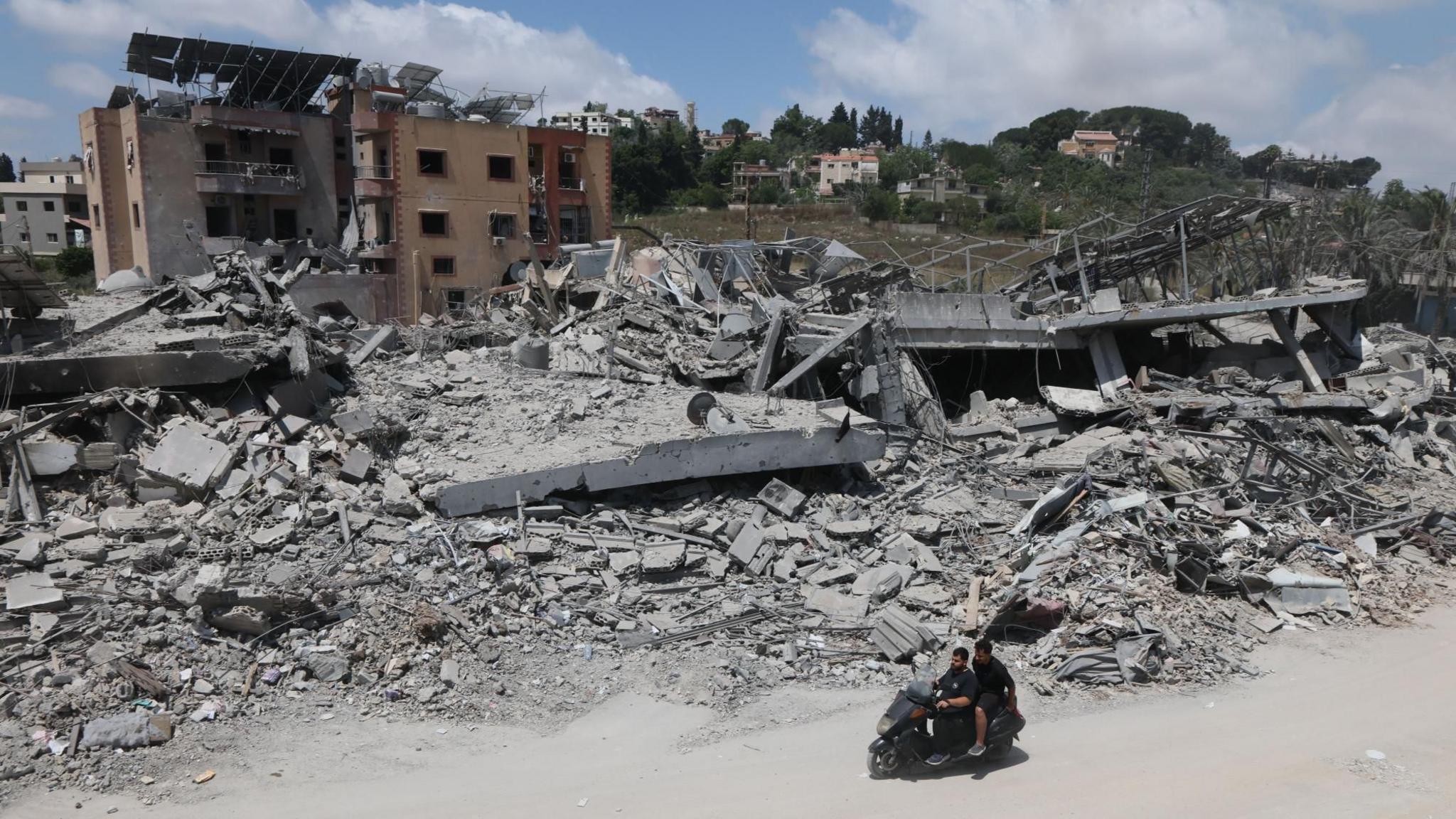
Netanyahu once championed a hard‑line policy that positioned Israel against Tehran’s nuclear ambitions. The agreement, criticised by the far‑right in Israel, introduces a ceasefire that does not apply to Hezbollah activities in Lebanon, stretching Israeli forces across Gaza, Lebanon and Syria.
Key opponents in the Likud party and senior cabinet ministers have questioned whether Netanyahu can “weather the storm” of an agreement that leaves Iran free to influence the Lebanese front. Former national‑security adviser Itamar Ben‑Gvir publicly rejected the ceasefire, stating that U.S. policy does not spare Israel’s security.
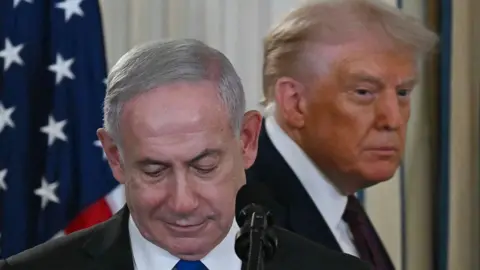
The U.S. administration, led by President Donald Trump, explicitly denounced Netanyahu for ordering a strike on Beirut, calling the action “unjudicious.” This remark has been seized by political rivals and media commentators who are already wary of the results of the impending election.
Netanyahu’s own words from a recent press conference emphasise his determination: “I do not limit myself in any way on our goal: Iran will not have nuclear weapons.” He also warned that Israel will preserve operational freedom, even if it means frustrating U.S. preferences.
The president’s stance is sharply contrasting with the U.S. demand that Israel cease operations in Lebanon, illustrating the clash between Washington’s diplomatic approach and Israel’s security-first mission.
Security has been the cornerstone of Netanyahu’s election propaganda for decades, but the present crisis makes it increasingly difficult to maintain that narrative. Critics argue that foreign policy has left Israel with an unresolved threat from Tehran that is not moderated by Washington.
The situation places Netanyahu at a crossroads: confront the United States, potentially jeopardising support, or surrender to a restrictive policy that may erode Israel’s strategic autonomy. Either path compromise the political image that Netanyahu cultivated during the 7 October Hamas‑led attacks.
With Netanyahu’s lack of clear diplomatic resolution and continuing military engagement in Gaza, Israel’s security strategy appears to stretch resources to a breaking point, creating a scenario that could shift the balance of power towards Iran.
In the wake of the ceasefire, analysts urge Israel to reassess its strategic priorities, recognising that any move contrary to Washington will likely trigger a strong U.S. response.
The consensus across the Israeli ranks is that the failure prompts a necessary recalibration: a realistic, restrained approach that can convince domestic voters of a viable balance between security and diplomacy.
Ultimately the ceasefire has shifted Netanyahu’s narrative from “Israel’s strongest security” to a new political reality where the country must negotiate a compromise with a key ally while managing the threat from Tehran.