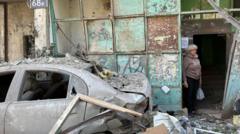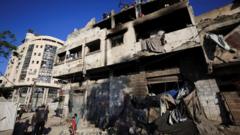
In the early hours of Wednesday, Israeli jets targeted a mid‑facing residential building in Gaza City. Local hospitals have confirmed that at least ten people perished, including five children and a teenage daughter. The strike was reportedly aimed at senior Hamas battalion commander Imad Asleem, who was killed alongside his daughter, Israa. The Israeli Defence Ministry released a brief statement saying it struck “two central Hamas terrorists in the northern Gaza Strip,” without naming them.
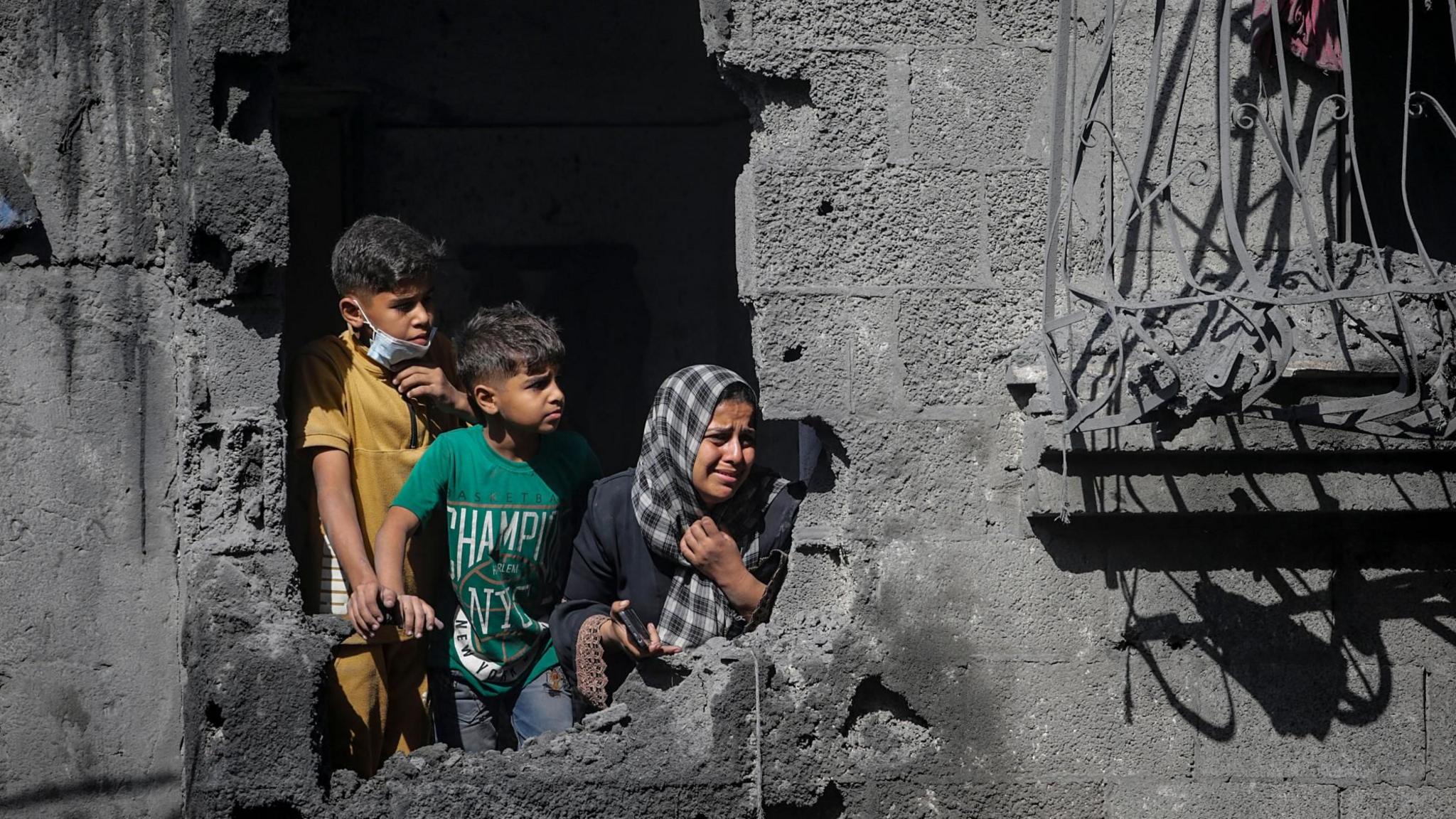
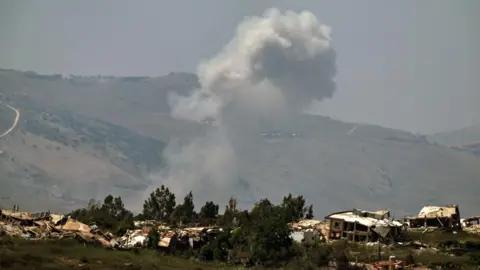
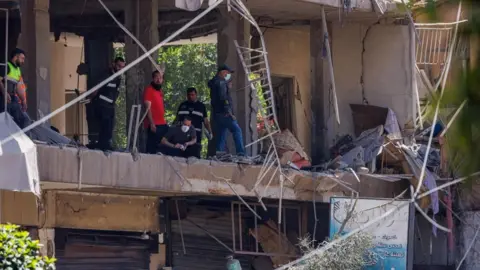
The devastation was visible in footage that reached global media: a charred house, shattered windows, and tents ripped from a nearby displaced‑persons camp. One casualty, Raslan Bajou, later described the aftermath as “a sin,” while neighbors noted that some tents were destroyed by falling debris. Um Azzam al‑Zaim, who was celebrating Eid al‑Adha inside a tent, reported that a water tank collapsed, rendering her and others trapped.
On Thursday, mourners carried a body wrapped in a Hamas flag across Gaza City, with a gun placed atop the stretcher. Flags in the green Hamas colour were waved on large crowds during the funeral.
The attack follows the killing of Mohammed Odeh, the new head of Hamas’s military wing, along with his family, in a strike earlier this week. The deadly raid was followed by an attack on a car in Khan Younis that killed Ihab Khrizim and Mohammed al‑Habash, two key Hamas figures involved in funding and weapons production.
These operations are part of Israel’s pledge to eliminate those behind the 2023 Hamas‑led assault on Israel, as voiced by Defence Minister Israel Katz on X. The aim is to force Hamas to relinquish power in Gaza, but the conflict remains stalled, and international mediators urge a resolution to the humanitarian crisis.
The recent bombardments have left over 70,000 casualties according to Gaza’s health ministry, amid a war that displaced more than two million residents. International analysts note the high civilian toll, while diplomatic channels continue to call for a negotiated ceasefire.
AR/VR streaming teams report that, after the strike, they have enabled immersive broadcasts of the scene. Viewers now can see the interior collapse from first‑person footage, hearing the echo of shell impacts and cries of grief, offering a stark reminder of how the war mixes high‑tech surveillance with everyday human loss.
The devastation was visible in footage that reached global media: a charred house, shattered windows, and tents ripped from a nearby displaced‑persons camp. One casualty, Raslan Bajou, later described the aftermath as “a sin,” while neighbors noted that some tents were destroyed by falling debris. Um Azzam al‑Zaim, who was celebrating Eid al‑Adha inside a tent, reported that a water tank collapsed, rendering her and others trapped.
On Thursday, mourners carried a body wrapped in a Hamas flag across Gaza City, with a gun placed atop the stretcher. Flags in the green Hamas colour were waved on large crowds during the funeral.
The attack follows the killing of Mohammed Odeh, the new head of Hamas’s military wing, along with his family, in a strike earlier this week. The deadly raid was followed by an attack on a car in Khan Younis that killed Ihab Khrizim and Mohammed al‑Habash, two key Hamas figures involved in funding and weapons production.
These operations are part of Israel’s pledge to eliminate those behind the 2023 Hamas‑led assault on Israel, as voiced by Defence Minister Israel Katz on X. The aim is to force Hamas to relinquish power in Gaza, but the conflict remains stalled, and international mediators urge a resolution to the humanitarian crisis.
The recent bombardments have left over 70,000 casualties according to Gaza’s health ministry, amid a war that displaced more than two million residents. International analysts note the high civilian toll, while diplomatic channels continue to call for a negotiated ceasefire.
AR/VR streaming teams report that, after the strike, they have enabled immersive broadcasts of the scene. Viewers now can see the interior collapse from first‑person footage, hearing the echo of shell impacts and cries of grief, offering a stark reminder of how the war mixes high‑tech surveillance with everyday human loss.