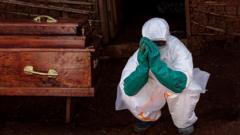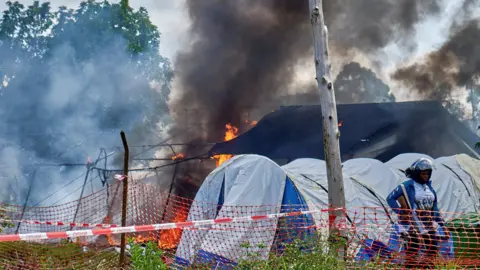
People living close to the epicentre of a deadly Ebola outbreak have shared their fears as the World Health Organization (WHO) warns that the number of cases in the Democratic Republic of Congo (DRC) may be spreading faster than originally expected.
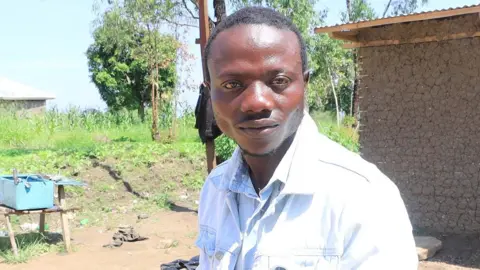
In the northeastern region's Ituri province, a local resident expressed his anguish, stating that infected individuals were dying very fast and that Ebola has tortured us. Official reports indicate that the virus has claimed 136 lives in DRC, with over 514 suspected cases now recorded, while one fatality related to the outbreak has also occurred in neighboring Uganda.
Dr. Anne Ancia from WHO emphasized the need for further investigation, asserting that the ongoing analysis underscores the possibility of cases spreading beyond initial detection areas. Recent modeling by the London-based MRC Centre for Global Infectious Disease Analysis has raised concerns of significant under-detection, suggesting there may be over 1,000 actual cases.
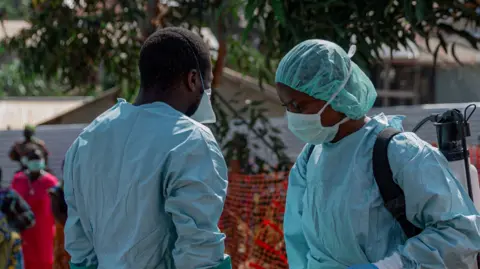
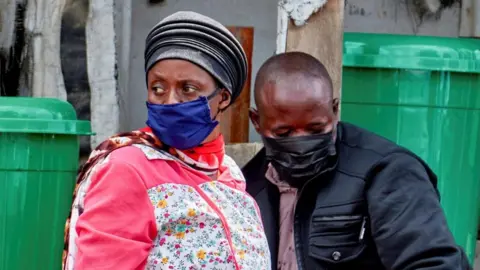
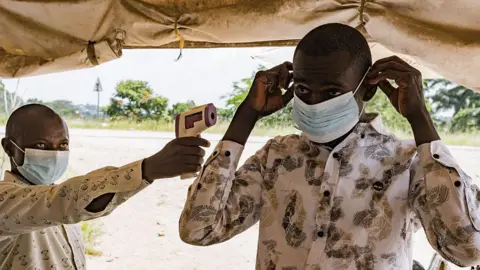
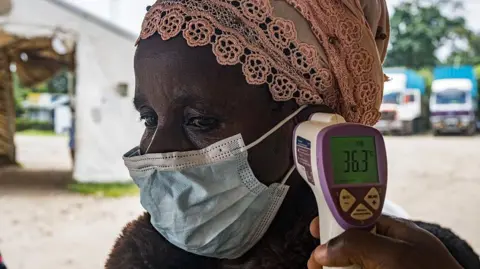
The severity of the outbreak has prompted many in Ituri to take extra precautions, such as practicing handwashing. However, local leaders are calling for access to more protective supplies, such as face masks. Another community member noted their awareness of the dangers, yet expressed uncertainty about how to respond should someone in their family become infected.
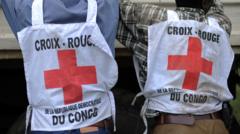
Warnings from the Red Cross clarify that the outbreak conditions—marked by late detection, lack of information, and overwhelmed health systems—could exacerbate the situation quickly. Measures from local and international bodies, including encouragement to report symptoms to health facilities, are urged.
DR Congo's President Félix Tshisekedi has called for calm while emphasizing vigilance in light of the outbreak's rapid escalation. WHO chief Tedros Adhanom Ghebreyesus expressed deep concern over the speed and scale of the crisis, with the organization already allocating significant funding to address the emergency.
High insecurity levels in DRC present further challenges to controlling the outbreak, as population movements increase the risk of widespread transmission. Regional responses include tightened border screenings in countries like Rwanda, which has temporarily closed borders with DRC, and Uganda's recommendation against physical greetings.
Moreover, the recent evacuation of American citizen Dr. Peter Stafford from DRC for treatment highlights the serious implications of the outbreak, with additional Americans being monitored for exposure as precautions are carried out.