In the eastern Democratic Republic of Congo (DR Congo), a six‑year‑old girl has survived a harrowing escape from a hospital and is now reported to be stable.
Earlier this week, armed men stormed a treatment centre in Butembo, taking the young patient and her mother from the facility. Local health officials later confirmed that the child was found about 18 kilometres from the hospital and was admitted to a secure Ebola care unit.
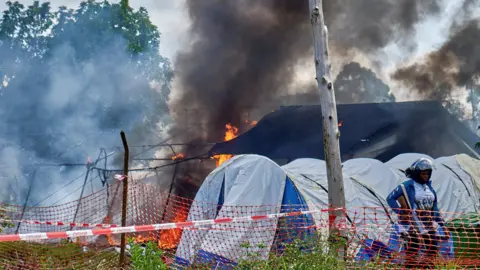
The case is part of a larger pattern of violence toward health facilities during the current Ebola outbreak. In the past month, crowds have set isolation tents on fire, fired warning shots from police, and attempted to seize bodies of suspected Ebola victims. Such incidents have heightened fear among communities, especially in remote areas where many people believe the virus is a fabrication brought by outsiders.
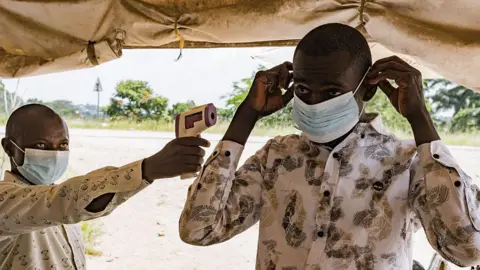
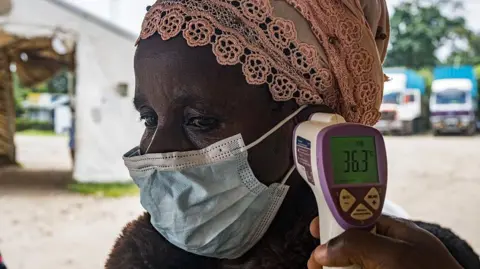
According to the World Health Organization (WHO), the outbreak in eastern DR Congo has now surpassed 230 confirmed cases and 75 health‑care workers have been infected, 17 of them dying. The virus is caused by the Bundibugyo strain, for which no vaccine is yet available, and the WHO estimates that a suitable jab could take months to develop.
The conflict with the M23 rebel group, which controls large swathes of North and South Kivu, has further complicated efforts to contain the disease. In the meantime, the African Centres for Disease Control and Prevention (Africa CDC) has earmarked $319 million for containment measures, and WHO is pledging $3.9 million.
Public health experts warn that the environmental and security challenges could push the outbreak toward its largest scale ever, echoing forecasts from the US Centers for Disease Control and Prevention (US CDC). Yet, anecdotal evidence suggests the response is gaining momentum, with local officials noting increased community engagement and protective protocols.
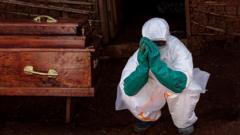
The child’s recovery offers a glimmer of hope amidst the crisis, but it also serves as a stark reminder of the dangers faced by those treating the disease. Ensuring safe burial practices remains a priority, as the body of an Ebola patient can still spread the virus if mishandled.
For now, the focus remains on preventing further attacks on medical facilities, strengthening surveillance, and accelerating vaccine research. The international community continues to call for sustained support to protect vulnerable communities in the region.