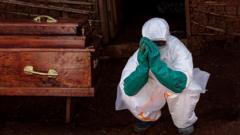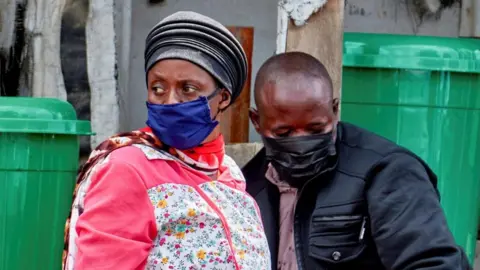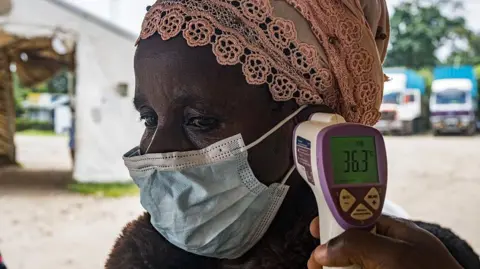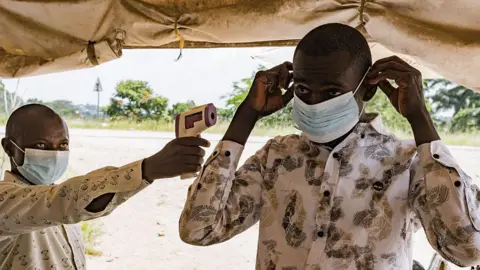
The World Health Organization (WHO) has reported alarming figures regarding the outbreak of the Bundibugyo species of the Ebola virus. According to their latest updates, there are now 600 suspected cases and 139 suspected deaths connected to the virus. The situation is expected to worsen, as health officials alert that the time taken to detect new infections means numbers could continue to rise.
Currently, 51 cases have been confirmed in the Democratic Republic of Congo (DRC), the origin of the outbreak, with two additional cases reported in Uganda, where both individuals had traveled from DRC. WHO chief Dr. Tedros Adhanom Ghebreyesus has indicated that the outbreak is likely to have started a few months prior to the current reports.
On Sunday, the WHO designated this outbreak as a public health emergency of international concern, though it has stressed that it does not constitute a pandemic. After an emergency committee meeting, the WHO assessed the risk of the epidemic as high at national and regional levels, but low globally.
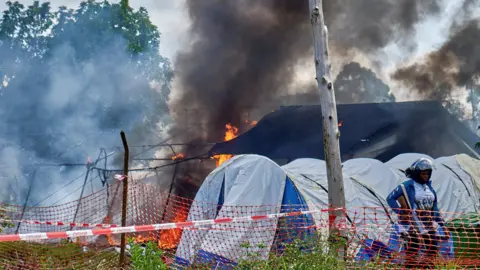
The outbreak's epicenter is located in eastern DRC's Ituri province, where the first case involved a nurse who developed symptoms and passed away on April 24 in Bunia. Other affected regions include Mongwalu, Rwampara, and Nyakunde, complicating containment efforts amid ongoing regional conflicts.
Unlike other species of the Ebola virus, Bundibugyo has not seen cases for over a decade, and additional challenges are posed as there is currently no approved vaccine or targeted medications. Experimental vaccines are in development, but the path forward remains uncertain as humanitarian conditions in eastern DRC hinder response efforts.
Currently, 51 cases have been confirmed in the Democratic Republic of Congo (DRC), the origin of the outbreak, with two additional cases reported in Uganda, where both individuals had traveled from DRC. WHO chief Dr. Tedros Adhanom Ghebreyesus has indicated that the outbreak is likely to have started a few months prior to the current reports.
On Sunday, the WHO designated this outbreak as a public health emergency of international concern, though it has stressed that it does not constitute a pandemic. After an emergency committee meeting, the WHO assessed the risk of the epidemic as high at national and regional levels, but low globally.
The outbreak's epicenter is located in eastern DRC's Ituri province, where the first case involved a nurse who developed symptoms and passed away on April 24 in Bunia. Other affected regions include Mongwalu, Rwampara, and Nyakunde, complicating containment efforts amid ongoing regional conflicts.
Unlike other species of the Ebola virus, Bundibugyo has not seen cases for over a decade, and additional challenges are posed as there is currently no approved vaccine or targeted medications. Experimental vaccines are in development, but the path forward remains uncertain as humanitarian conditions in eastern DRC hinder response efforts.