After months of negotiation, President Claudia Sheinbaum of Mexico was hopeful that her government’s extensive efforts would appease President Trump and avert the imposition of significant tariffs on Mexican goods. However, as the announcement of a 25 percent tariff arrived, shockwaves rippled through the country.
Isaac Presburger, a businessman from a family-owned apparel company in Mexico, expressed disbelief at Trump’s decision. “We’ve complied with his demands, and yet he still goes through with the tariffs,” he remarked, reflecting a widespread sentiment among Mexican entrepreneurs.
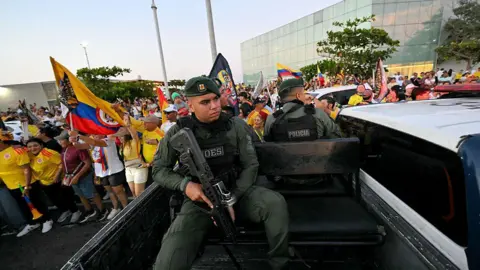
To counteract Trump’s threats, Mexico made considerable concessions, including agreeing to extradite various cartel leaders to the U.S. and deploying thousands of National Guard troops to combat fentanyl trafficking. This pivot on extradition and a surge in border security were seen as crucial steps to demonstrate Mexico’s commitment to addressing U.S. concerns and curbing illegal immigration.
Political analysts note that Sheinbaum's efforts were unexpectedly robust, indicating a genuine attempt to meet the administration’s expectations. Despite these proactive steps, the tariffs were enacted, leaving many Mexican leaders contemplating their future trade relationships with the United States.