In brief
The first confirmed case in Texas since 1966 signals a reemergence of a once-eradicated parasite. The fly’s flesh‑eating larvae demand urgent containment via quarantine zones, sterile‑male fly releases, and vigilant rancher surveillance. Climate change has eased the limits that once kept the parasite northward.
In La Pryor, South Texas, a 3‑week‑old calf became the first confirmed case of the New World screwworm fly in the United States in more than a half‑century.
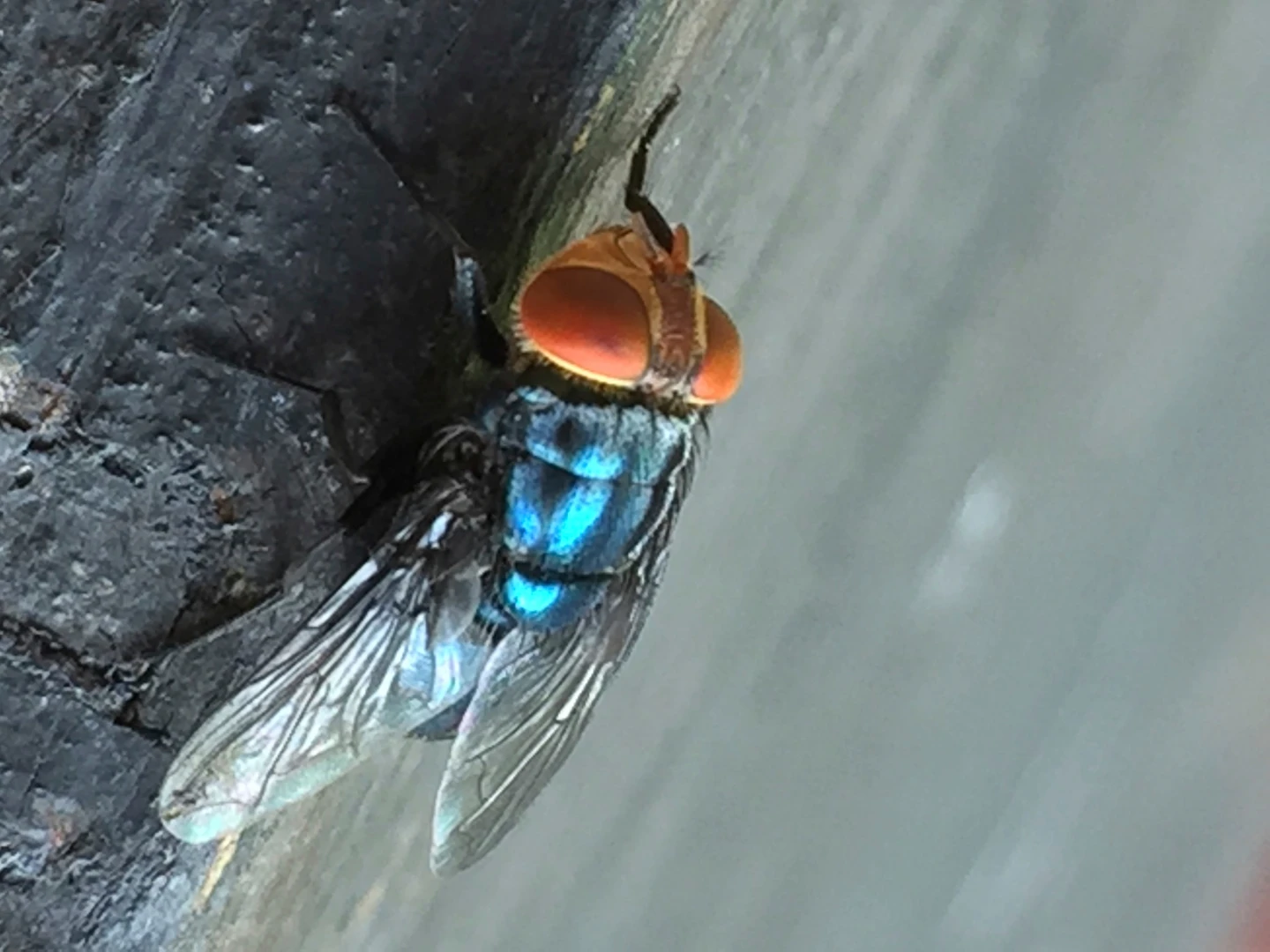
These flies are unique among insects: their larvae feed on living flesh, so a single egg deposited in an open wound can grow into a painful, potentially deadly infestation. Small lesions—such as a tick bite—are enough to trigger a life‑threatening attack.
Texas rancher and CEO of the Texas & Southwestern Cattle Raisers Association Stephen Diebel warned that even tiny cuts could be fatal once a fly lays eggs inside.
Historically, the United States eliminated the parasite in the 1960s by releasing millions of sterile male flies—an approach that has proved highly effective. Mexico, however, still reports thousands of infestations, sparking concern that the parasite may cross the border.
Climate change is a key factor: warmer temperatures and fewer winter cold snaps have removed natural barriers, allowing the species to expand northward toward Texas.
To contain the threat, Texas State Veterinarian Bud Dinges imposed a 12‑mile quarantine zone around Zavala County, where La Pryor sits, preventing livestock movement without inspection.
Simultaneously, the U.S. Department of Agriculture has been dropping sterile male flies from aircraft over southern Texas every week, and a new production facility in southern Mexico is set to begin operations next month. A separate investment of $750 million is building a fly‑factory in Texas that can produce up to 300 million sterile flies weekly.
Cattle owners, including those a 200‑mile radius from the quarantine zone, are proactively giving preventive shots and meticulously observing wounds from ear tagging and other procedures to detect early signs of infection.
The parasite poses a threat to the $113 billion U.S. cattle industry, but it does not infest food products, so the risk is limited to live animal health rather than consumer safety.
Relying on a proven method, the sterile‑insect technique remains the safest, most environmentally friendly way to eradicate the screwworm, assuring that the parasite’s life cycle is broken by mating with sterile males and ultimately causing the population to collapse.
}